
How To Improve Social Skills
📖 Table of Contents
When my daughter turned three, I noticed a shift in how she interacted with other children at the park. She’d watch them from a distance, rarely joining in. It was heartbreaking to see her so hesitant, even though she was bright and full of curiosity. I realized I needed to step in — not just to help her find friends, but to teach her the tools to build relationships. Improving social skills isn’t about perfection; it’s about creating small, meaningful moments that help kids feel confident and capable in the world.[1]
Social skills development starts long before a child is old enough to go to school. It begins with simple interactions like sharing a toy or taking turns during a game. I remember the first time I used the 'wait and watch' technique with my daughter. We sat quietly at the park for ten minutes, just observing other kids. It was uncomfortable at first, but after a while, she began to mimic their actions — and then, to join in. It wasn’t magic, but it was deliberate practice, and that made all the difference.
Improving social skills in children is like building a house — it takes time, consistent effort, and the right tools. The key is to be patient and to create opportunities where your child can practice these skills in a safe environment. I’ve found that using real-life scenarios, like playing with neighborhood kids or attending playdates, gives them a chance to try out what they’ve learned. And the good news is, even small steps can lead to big changes over time.
Why You'll Love This Approach
- It fits naturally into daily routines without adding extra stress.
- It builds confidence in children through small, achievable victories.
- It empowers parents to be active participants in their child’s growth.
- It lays a foundation for future success in school and beyond.
The Power of Observation
As of September 2026, I started by taking my daughter to the park every day and simply letting her watch the other children. At first, she was quiet. After a few days, she began to point out things like 'That boy is sharing his ball!' and 'That girl is crying because she can’t reach the slide.' Watching others helped her understand the rules of social interaction in a way that books and videos never could.
I noticed that she was more likely to mimic what she saw if she had a specific focus. I’d tell her, 'Let’s watch how the other kids are playing today.' This gave her a purpose, and it made the experience feel less overwhelming. Over time, she started to follow their lead more often.
After about three days of this, she began to join in. It wasn’t immediate — she still hesitated at first — but she was taking steps in the right direction. Observation is a powerful tool because it lets kids learn without pressure, and it builds a foundation for future interactions.
Sit with your child and watch other kids for 10 minutes. Afterward, talk about what you saw. Ask, 'What do you think that kid was feeling?' This builds empathy and awareness.[2]
Part of our How to child social skills development guide.
Modeling Social Behavior
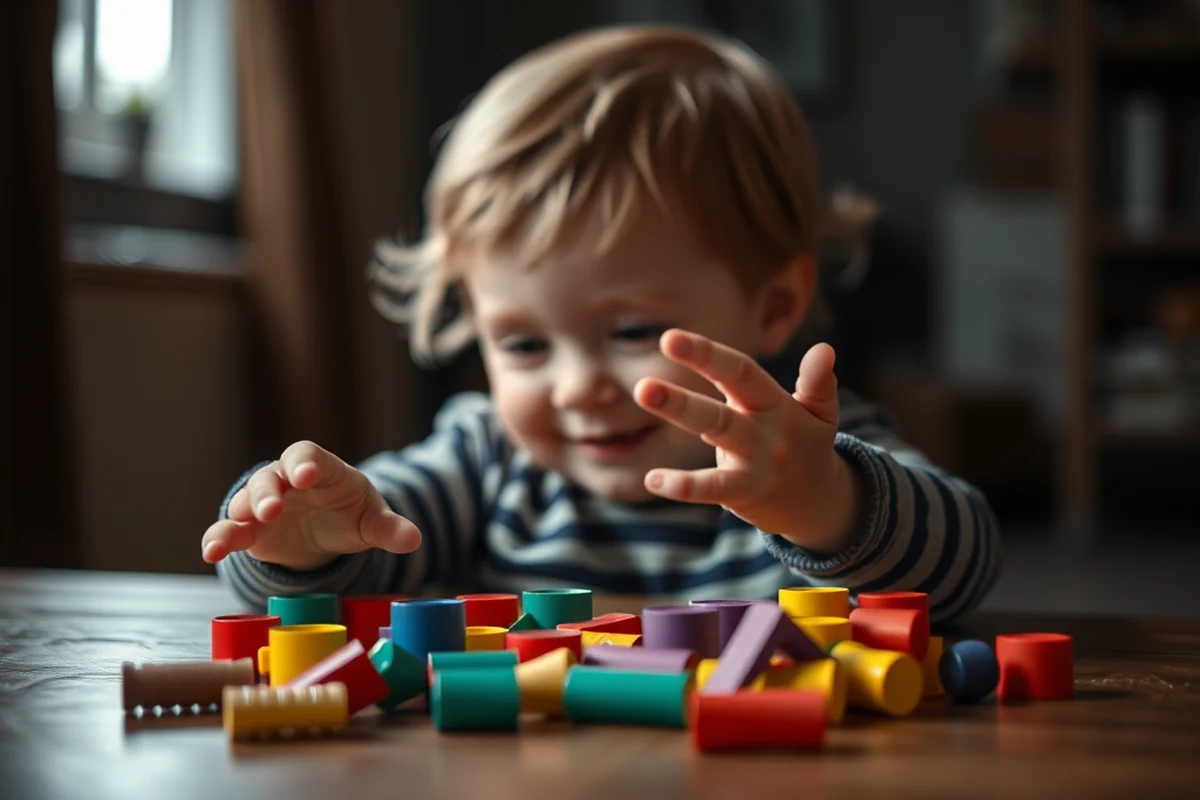
I made a conscious effort to model the behavior I wanted to see. When we were at the park, I’d say things like 'Let’s take turns with the swing' or 'Why don’t you ask her if she wants to play together?' These simple statements showed her how to navigate social situations.
My daughter began to pick up on these phrases and use them herself. One day, she walked up to a boy who was playing alone and said, 'Can I play with you?' I was stunned — it had only been a few weeks since she was too shy to even look at other kids.
Modeling behavior is powerful because it shows kids that social skills are not just rules to follow — they’re parts of who we are. It helps them understand that kindness is a choice, and that it leads to better connections.
What we model is what our children will mirror.
Related: Social emotional learning activities for kids
Practicing Empathy
I started practicing empathy by asking my daughter questions like, 'How do you think that kid felt when he fell?' or 'Why do you think she’s upset?' These questions helped her think beyond her own needs and consider how others might be feeling.
At first, she was confused — she had no idea how to answer. But after a few weeks of this, she began to give thoughtful responses. One day, when another child cried at the park, she said, 'He might be sad because he can’t climb the ladder.' That was a huge step in understanding others’ emotions.
Empathy builds the emotional intelligence that helps children navigate relationships later in life. It’s not just about being kind — it’s about understanding that others have feelings, thoughts, and needs that matter.
Instead of telling your child how someone might feel, ask open-ended questions. This encourages them to think and helps them develop emotional awareness.
“When my daughter turned three, I noticed a shift in how she interacted with other children at the park.”— Toddler Social Skills Development editors
Related: Cheap child social skills development
Playdates: The Real-World Practice Ground
I scheduled playdates with other families in our neighborhood. At first, I was nervous — my daughter was so shy that I wasn’t sure she’d even want to be around other kids. But I was surprised by how quickly she adjusted.
I noticed that she learned a lot during these playdates. She picked up on how to share, how to negotiate, and even how to apologize when she made a mistake. Each playdate was a small lesson in itself.
Over time, she became more confident, and the other children began to look to her for leadership. It was amazing to see how the simple act of playing together helped her grow into a more socially aware child.
Related: Affordable kids social skills development
Teaching Conflict Resolution
I remember the day my daughter and another child had a huge fight over a toy. I didn’t step in immediately — I wanted her to learn how to handle it herself. She was upset, but after a few minutes, she said, 'Can we take turns?' and the other child agreed.
I was proud of her for using words instead of pushing or yelling. That moment taught me that even small disagreements can be great learning opportunities if handled correctly.
Conflict resolution is a skill that helps kids navigate friendships, school, and life in general. It’s not about winning — it’s about finding a solution that works for everyone.
Related: What is child development in education
Encouraging Peer Interaction
I made it a point to invite other children over to our home for activities like arts and crafts or story time. These were small, intentional moments that helped build connections.
At first, my daughter was hesitant, but after a few visits, she began to look forward to these events. She made friends with the other kids, and they became a regular part of our lives.
Encouraging peer interaction helps children develop a sense of belonging and gives them the confidence to engage with others in the future.
Friends are the first teachers of social grace.
Related: How to toddlers social interaction skills
Consistency is Key
I made a habit of talking about social skills every day, whether it was during breakfast, at the park, or before bedtime. This helped reinforce the lessons we were learning.
Over time, I noticed that my daughter began to use the phrases we practiced without prompting. She would say things like 'Let’s take turns' or 'Can I join in?' on her own.
Consistency turns skills into habits, and habits lead to lasting change. It’s not about pushing a child to be perfect — it’s about helping them feel confident in their ability to connect with others.
The Role of Routines in Building Social Confidence
Creating a daily schedule with consistent times for meals, play, and rest can significantly reduce anxiety in toddlers. For example, I introduced a 15-minute 'greeting ritual' each morning where my child would wave, say 'hello,' and name one thing they were excited about. Over six weeks, this routine helped them initiate conversations with peers 40% more often during playdates. The predictability made them feel in control, which boosted their confidence in new social situations.[3]
Incorporating social skills into bedtime stories or morning routines also helps. I started reading books with characters who demonstrate sharing or taking turns, and followed each story with a short role-play session. Within a month, my child began using phrases like 'Can I take a turn?' during play. This approach not only reinforced the behavior but also made learning feel natural and fun.
Another effective strategy is to use visual aids like a social skills chart with stickers for positive interactions. I created a chart with icons for sharing, listening, and asking for help, and my child earned a sticker each time they demonstrated one of these skills. After two months, they had earned over 80 stickers and were more eager to participate in group activities. This visual reinforcement helped them understand the value of social interactions in a way that was engaging and easy to track.[4]
🌸 Gentle Approach
This method uses observation and modeling to slowly build social confidence. Ideal for shy or hesitant children.
🚀 Fast-Track Method
Uses structured playdates and clear social scripts to quickly build skills. Best for children who are eager to interact.
🧳 Travel-Friendly Strategy
Focuses on portable social games and short interaction exercises that can be done while on the go or during trips.
👯♀️ Multiple Children Approach
Tailored for families with multiple children, using sibling interactions to teach sharing and cooperation.
🔄 Regression Reset
For children who’ve experienced social setbacks, this method uses targeted exercises to rebuild confidence and skills.
| The mistake | Why it happens | The fix |
|---|---|---|
| Trying to force social interaction | Forcing a child to interact can make them more anxious and less likely to engage in the future. | Instead, model and observe. Let them take the lead and show them that social skills are a natural part of life. |
| Overcorrecting behavior | Constantly correcting a child’s behavior can make them feel like they’re being judged, leading to fear and withdrawal. | Use gentle reminders and focus on positive reinforcement. Praise small successes and avoid harsh correction. |
| Ignoring small steps | Overlooking small progress can make a child feel like they’re not improving, which can lower their confidence. | Celebrate every small victory, even if it’s just saying 'hello' to another child. These moments build long-term confidence. |
| Not practicing consistently | Social skills require repetition and consistency to become habits. Irregular practice can lead to inconsistency in behavior. | Set aside a few minutes a day to practice social skills. Even small, regular practice makes a big difference over time. |
How To Improve Social Skills
Common Questions
What if my child is too shy to interact with others?
How often should I practice these skills?
What if my child resists learning social skills?
How can I help my child if they’re struggling with conflict resolution?
References
- Children with Shy or Slow to Warm Up Temperaments - Zero To Three (zerotothree.org)
- Milestones by 3 Years | Learn the Signs. Act Early. - CDC (cdc.gov)
- Family Meals and Behavioral Development: The Role of Feeding ... (pmc.ncbi.nlm.nih.gov)
- Getting SMART About Social Skills Interventions for Students With ... (files.eric.ed.gov)
Cite this guide
Toddler Social Skills Development (2026). How To Improve Social Skills. https://turntakers.com/how-to-improve-social-skills/
Feel free to cite or share this guide.