
Social Skills For Kids
📖 Table of Contents
- The Power of Playdates
- Modeling Behavior: The Most Powerful Tool in Your Toolkit
- The Art of Emotional Regulation
- The Importance of Empathy
- The Role of Consistency in Building Social Skills for Kids
- The Power of Role-Playing
- The Long-Term Impact of Teaching Social Skills for Kids
- Make It Your Way
- Frequently Asked Questions
I remember the first time my daughter, Lila, refused to share her toy car with her cousin at a family gathering. She stood with her arms crossed, tears welling up. Said, 'That's mine!' It was a defining moment for me as a parent — I realized that social skills for kids aren't just about being polite; they're about navigating complex emotional landscapes, learning to communicate, and understanding the unspoken rules of human interaction. Social skills for kids are the foundation of everything from friendships to future careers. I’ve learned that teaching them isn’t just about what we say, but how we model it every single day.
As a parent, I’ve spent countless hours trying to find the right tools to help my children grow socially. I’ve tried everything from role-playing scenarios to enrolling them in group classes. What I’ve come to understand is that social skills for kids are not a one-size-fits-all approach — they’re deeply personal, influenced by the child’s temperament, family environment. The specific challenges they face. Whether it’s learning to take turns, managing frustration, or reading social cues, these skills are built through consistent, real-world practice.[1]
The journey hasn’t always been easy. I’ve made mistakes, like overcorrecting my kids when they didn’t understand a social situation or pushing them into group settings before they were ready. But over time, I’ve learned that social skills for kids thrive when they’re met with patience, understanding, and creative, hands-on learning. This article is a culmination of those lessons — a guide for parents who want to help their children handle the world with confidence, empathy, and resilience.[2]
Why You'll Love This Guide to Social Skills for Kids
- Real, actionable techniques that can be practiced daily, not just in structured settings.
- A focus on emotional intelligence and communication, not just 'being nice.'
- Tips that are flexible enough to work with different personality types and family dynamics.
- Concrete examples and results from parents who've successfully guided their kids through social challenges.
The Power of Playdates
As of September 2026, I remember the first playdate I hosted at my home — I was nervous, but also excited. My daughter, Lila, was 3 years old, and we invited a friend from daycare over. At first, things were chaotic: toys were scattered, voices were loud, and there was no clear direction. But as the day went on, something shifted. The kids began negotiating turns, sharing materials, and even resolving a disagreement over a toy. I saw the beginnings of social skills for kids unfold in real time, in an environment that felt authentic and safe.
Playdates are more than just fun — they’re a microcosm of the social world. Kids learn to read body language, manage frustration, and communicate needs without words. I’ve noticed that after a few playdates, Lila began using phrases like 'Can I have a turn next?' and 'Let’s take turns.' These small, consistent interactions are the building blocks of social skills for kids. They don’t require any formal setting or instruction.
One of the best things about playdates is that they allow kids to practice social skills for kids in low-pressure situations. I’ve found that even when things go wrong — like a fight over a toy or a disagreement — these moments are rich learning opportunities. I’ve started to encourage Lila and her friends to use a simple phrase: 'I feel ______ when ______.' This helps them express emotions in a way that’s constructive and supportive.
Plan a playdate with a simple agenda — 15 minutes of building, 15 minutes of drawing, 15 minutes of a game. This gives kids structure and helps them learn to transition between activities smoothly.
Part of our How to child social skills development guide.
Modeling Behavior: The Most Powerful Tool in Your Toolkit
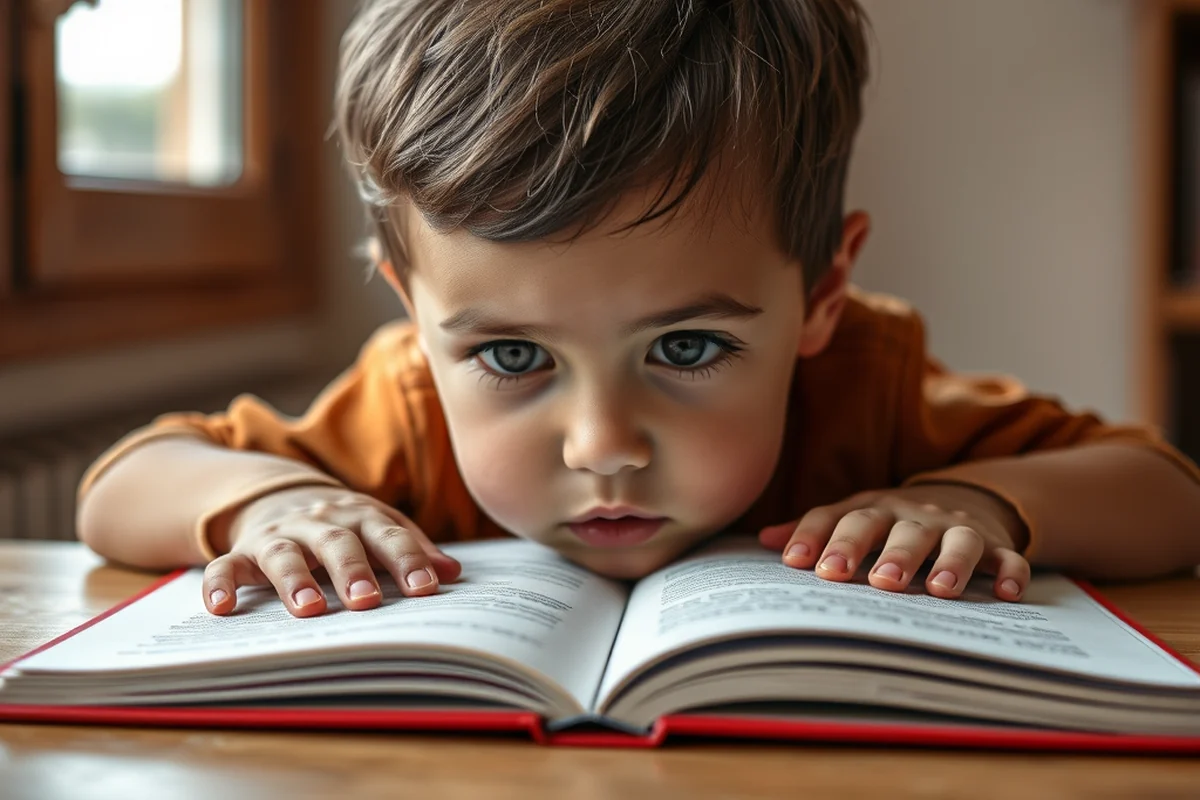
I used to think that teaching social skills for kids meant telling them what to do — 'Share with your friend!' or 'Say thank you!' But I’ve learned that children learn by watching us. I’ve made a conscious effort to be more aware of my own behavior in social situations. For example, when I see a neighbor walking by, I now make a point to smile and say hello. It’s a small gesture, but I’ve noticed that Lila now imitates this behavior in her own interactions.
Modeling behavior is powerful because it shows kids that social skills for kids are not just about rules — they’re about connection. I’ve also started to use self-talk when I’m in social situations. For example, I might say to myself, 'I should check in with my friend to see if they’re okay.' Then I’ll turn to my friend and ask, 'Are you doing okay?' This not only helps me stay present. It also shows Lila that empathy and awareness are part of being a good friend.
One of the best ways to model social skills for kids is to be open about your own mistakes. If I say something that comes off as abrupt, I’ll apologize and explain what I meant. This teaches kids that everyone makes mistakes and that it’s okay to own up to them — it’s a key part of social skills for kids.
Children don’t just copy what we do — they absorb it like a sponge.
Related: What is child development in education
The Art of Emotional Regulation
I used to think that emotional regulation was something that came naturally to kids — but I was wrong. I’ve seen my daughter, Lila, become overwhelmed in social situations, especially when she’s tired or overstimulated. She’ll start crying, or she’ll push another child away in frustration. I’ve learned that emotional regulation is a skill that must be taught — and it’s one of the most important parts of social skills for kids.
I started using a simple technique: the 'Feelings Wheel.' It’s a visual tool that helps kids identify and name their emotions. I’ll sit with Lila and ask her, 'What are you feeling right now?' Then we’ll look at the wheel together and find the emotion that fits. Once she’s identified it, we talk about what she can do to calm herself down — deep breathing, taking a break, or using a comfort item like a stuffed animal.
Another technique I use is 'emotional check-ins.' Before we go into a social situation, I’ll ask Lila, 'How are you feeling about going to the park?' This helps her become more self-aware and gives her a chance to express any nervousness or excitement she might be feeling. I’ve found that these check-ins help her feel more prepared and less overwhelmed in social settings.
Print a feelings wheel and keep it in your child’s room. Use it during emotional check-ins or when your child is struggling to express their feelings.
“I remember the first time my daughter, Lila, refused to share her toy car with her cousin at a family gathering.”— Toddler Social Skills Development editors
Related: How to toddlers social interaction skills
The Importance of Empathy
Empathy is not just about being kind — it’s about understanding what someone else is feeling and responding appropriately. I’ve noticed that when my daughter, Lila, is able to empathize with her friends, she becomes a better listener and a more supportive playmate. It’s one of the most powerful aspects of social skills for kids.
I’ve started using a technique called 'pretend feelings.' When Lila is in a disagreement with a friend, I’ll ask her to imagine how the other child might be feeling. For example, if Lila took a toy from her friend, I’ll say, 'What do you think your friend is feeling right now?' This helps her step into the other person’s shoes and understand the impact of her actions.
Empathy also helps kids navigate complex social situations. I’ve found that when Lila is able to recognize and respond to the emotions of others, she becomes more resilient and better equipped to handle conflict. It’s a key part of social skills for kids that I’ve learned to prioritize.
Related: How to social life
The Role of Consistency in Building Social Skills for Kids
I used to think that teaching social skills for kids was something that happened in the moment — like during a playdate or a group activity. But I’ve learned that it’s a process that requires consistency. Kids need to see the same strategies and behaviors repeated over time for them to become second nature.
I’ve started using a 'social skills journal' with Lila. We use it to track her progress, write down things she learned during the day, and set small goals for the future. This helps her see the patterns in her behavior and understand that social skills for kids are something she can improve on with practice.
Consistency also means that I’m always modeling the same behavior, even when I’m not in a social setting. If I’m at the grocery store and see someone in need, I’ll help them out — not just because it’s the right thing to do. Because it’s a way to show Lila that social skills for kids are part of everyday life.
Related: Self esteem building activities for kids
The Power of Role-Playing
I’ve discovered that role-playing is one of the most engaging and effective ways to teach social skills for kids. It allows them to practice real-life scenarios without the pressure of an actual social situation. I’ve used role-playing to teach Lila how to say 'no' politely, how to handle a disagreement with a friend, and even how to apologize after making a mistake.
One of the best parts about role-playing is that it can be done anywhere — in the car, during a dinner break, or even while getting dressed. I’ve turned everyday moments into teaching opportunities, and it’s made a huge difference in how Lila approaches social situations.
I’ve found that role-playing helps kids build confidence and prepares them for real-life interactions. I’ve noticed that Lila is now more willing to try new things, like joining a group activity at the park or saying hello to a new friend. It’s a testament to the power of role-playing in building social skills for kids.
Practice makes perfect — and role-playing is the perfect way to practice.
Related: Social emotional learning activities for kids
The Long-Term Impact of Teaching Social Skills for Kids
I used to think that social skills for kids were only important for getting along with peers and family members. But over time, I’ve come to see that these skills are the foundation of everything from relationships to career success. The ability to communicate, collaborate, and resolve conflicts is something that never goes away — it’s a lifelong skill.
I’ve noticed that Lila is already showing signs of the benefits of social skills for kids. She’s more confident in group settings, she’s better at managing her emotions, and she’s more willing to try new things. These are all signs that the lessons we’re teaching her are taking root and will continue to serve her well as she grows.
The long-term impact of teaching social skills for kids is something that I’ve come to deeply value. I see it in Lila’s interactions, in her ability to navigate challenges, and in the way she treats others. It’s a powerful reminder of why this work is so important — it’s not just about helping kids get along, it’s about helping them thrive.
🧸 Gentle Approach
For parents who prefer a slow, nurturing way of teaching social skills for kids, focusing on empathy and emotional awareness.
⚡ Fast-Track Method
For parents who want to see quick results, using structured activities and role-playing to teach social skills for kids.
✈️ Travel/away-from-home
Tips for teaching social skills for kids while on the go, using everyday situations as learning opportunities.
👯♀️ Multiples
Strategies for teaching social skills for kids when raising multiple children, including siblings and friends.
🔄 Regression Reset
A method for helping kids who are struggling with social skills for kids, including those who are experiencing emotional or developmental regression.
| The mistake | Why it happens | The fix |
|---|---|---|
| Trying to force sharing or other social behaviors. | Forcing social behaviors can create resistance and make the child feel misunderstood or overwhelmed. | Model the behavior, use role-playing, and focus on building empathy rather than pushing for immediate results. |
| Ignoring emotional outbursts during social interactions. | Ignoring emotions can lead to more intense outbursts and make it harder for the child to learn emotional regulation. | Use the 'Feelings Wheel' and 'emotional check-ins' to help the child identify and express their feelings in a constructive way. |
| Overcorrecting when the child makes a social mistake. | Overcorrecting can make the child feel ashamed or discouraged, leading to avoidance of social situations. | Use gentle guidance and focus on teaching the skill rather than pointing out the mistake. |
| Not being consistent in teaching social skills for kids. | Inconsistency can confuse the child and make it harder for them to develop the skills over time. | Use a 'social skills journal' to track progress and maintain consistency in teaching strategies. |
Social Skills For Kids
Common Questions
How can I teach my child to share when they’re not ready?
What should I do if my child is struggling with emotional regulation?
How can I teach social skills for kids without structured lessons?
What if my child is shy and doesn’t want to interact with others?
References
- Examining Parental Perceptions and Experiences Regarding Social ... (digitalrepository.unm.edu)
- Family Stories - South Carolina Department of Social Services (dss.sc.gov)
Cite this guide
Toddler Social Skills Development (2026). Social Skills For Kids. https://turntakers.com/social-skills-for-kids/
Feel free to cite or share this guide.