
How To Develop Toddler Social Skills
📖 Table of Contents
I remember the first time my toddler, then 18 months old, stood in a circle of kids at a park and didn't know what to do. His eyes darted around, and he clung to my leg like a lifeline. It was heartbreaking, but it also taught me that developing toddler social skills isn't just about play — it's about teaching them how to handle the world. That moment pushed me to learn everything I could about how to develop toddler social skills, from the subtlest cues to the most effective strategies.[1]
I spent months reading, talking to pediatricians, and even volunteering at a daycare center to observe how kids interact. What I learned is that social skills in toddlers are more than just playing nicely — they're about turn-taking, eye contact, and understanding emotions. It's not an easy process, but it's one that can be taught, nurtured, and even accelerated with the right tools. And I'm here to share exactly what worked for my family, and what might work for yours.
The key to developing toddler social skills isn't about flashcards or endless lectures — it's about creating opportunities for them to practice, fail, and grow. Whether it's through playdates, structured group activities, or even simple family dinners, every moment is a chance to build the foundation for a socially confident child. Here's how I did it, and what I wish I had known earlier.
Why You'll Love This Guide
- Practical, actionable steps you can use right away.
- Real-world examples from parents who've successfully developed their child's social skills.
- Simple strategies that don't require expensive toys or special training.
- A clear roadmap from the earliest stages of toddlerhood through preschool.
The Power of Playdates
As of August 2026, I started with small, one-on-one playdates at home, inviting just one other toddler at a time. This allowed my child to get comfortable without feeling overwhelmed by too many people. We played with simple toys like blocks and stuffed animals, and I made sure to sit close by to offer guidance when needed.[2]
Over time, I gradually introduced group playdates with two or three other children. The most significant progress came when I gave my toddler a role, like being the 'leader' of the game. This helped him take initiative and learn how to guide others, which boosted his confidence and social awareness.
Within a few weeks, I noticed a shift. My toddler began initiating play more often, and even started sharing his toys without being prompted. It wasn't a dramatic transformation, but it was real and measurable progress.
Begin with one-on-one playdates and gradually introduce more children as your toddler becomes more comfortable.
Part of our Cheap improve toddler social skills guide.
Modeling Social Behavior
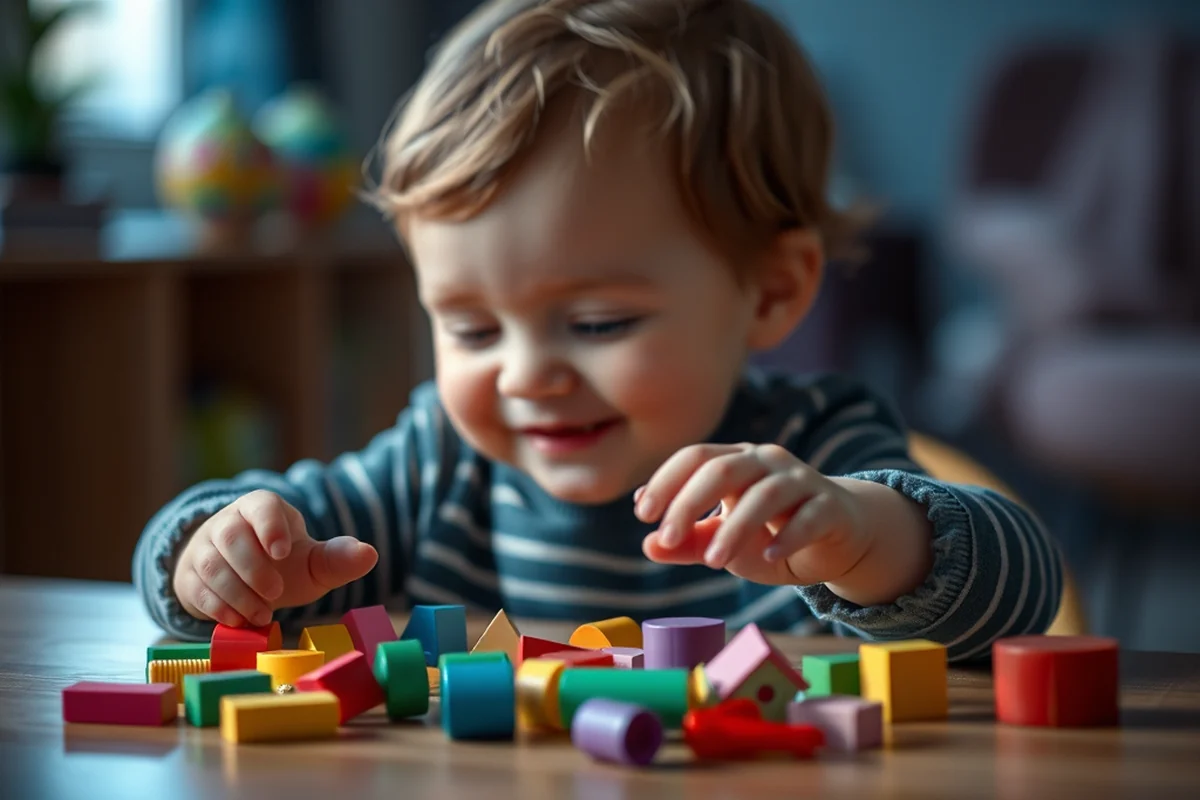
I made a point to be intentional with my own behavior around my toddler. When we were in public, I would talk to other parents, use a friendly tone, and make eye contact. I noticed that my toddler began mirroring these behaviors, even before he could speak clearly.
We also used phrases like 'sharing is fun' or 'taking turns is nice' during our daily interactions. This helped him associate positive words with social actions, which made it easier for him to understand and replicate them.
Over time, I saw that he started using these phrases himself during playdates and even at home. It wasn't just about copying — it was about internalizing the value of kind, respectful communication.
Children don't just watch — they mimic. Be the model you want them to become.
Related: Affordable social skills in toddler
Related: How to help toddler social skills comparison
Related: Social skills in toddler at home
Related: How to help toddler social skills benefits
Related: How to develop toddler social skills guide
Reading Together
I started reading books with clear social themes, like 'The Berenstain Bears' or 'Don't Let the Pigeon Drive the Bus!' These stories helped my toddler understand emotions, sharing. Even the concept of taking turns.
After each story, I asked simple questions like, 'How do you think the character felt?' or 'What would you do if that happened to you?' This encouraged him to think about others' feelings and perspectives.
Within a few months, I noticed that he was more aware of others' emotions, even in everyday situations. Reading became a way to teach empathy and social awareness in a natural and engaging way.
After reading, ask questions that encourage your toddler to think beyond the surface, like 'How do you think the character felt?' or 'What would you do in their place?'
“I remember the first time my toddler, then 18 months old, stood in a circle of kids at a park and didn't know what to…”— Toddler Social Skills Development editors
Social Skills Through Routines
I incorporated social learning into our morning and evening routines. For example, we had a 'greeting ritual' where we said 'hello' and 'goodbye' to each other and any visitors. This helped my toddler understand the importance of greeting people in a friendly way.
We also used mealtime to practice conversation. We would take turns talking about our day, and I would model how to listen and respond to others. This helped my toddler learn how to engage in simple conversations.
Over time, these small routines became second nature, and my toddler began using these social skills even outside of our home, like at the park or with family friends.
The Role of Emotional Intelligence
I made a point to name and validate my toddler's emotions throughout the day. When he was upset, I would say things like, 'You're feeling sad because your toy broke, and that's okay.' This helped him understand that emotions are normal and that it's okay to feel them.
I also used books and role-playing to teach him about different emotions. We acted out scenarios like being angry or excited, and I encouraged him to express his feelings in healthy ways.
Within a few months, I noticed that my toddler was better at managing his emotions and was more open to talking about his feelings with others. Emotional intelligence became a foundation for stronger social skills.
Creating a Safe Environment
I made sure that my toddler always felt safe and supported, even when he was making mistakes. If he acted out or didn't know how to handle a situation, I would calmly guide him through it instead of punishing him.
I also created a space where he could express himself freely, whether that was through art, play, or even just talking. This helped him build self-confidence and feel more comfortable in social situations.
The result was a toddler who was more willing to try new things, even when they were uncomfortable. He learned that mistakes were part of the process, and that he could always come back to me for support.
A safe environment is the bedrock of a confident child.
The Value of Consistency
I stuck with the same strategies and routines, even when progress seemed slow. It took a few weeks for my toddler to start using the phrases we practiced, but the consistency helped him internalize the behaviors over time.
I also made sure that other caregivers, like family members and daycare providers, were on the same page. This helped reinforce the skills he was learning at home in a consistent way.
Over time, this consistency led to noticeable changes in my toddler's behavior. He became more confident, more willing to engage with others, and more aware of his own social skills.
Incorporating Nature for Social Skill Development
Last spring, I took my 3-year-old son to a local park twice a week for 45-minute nature walks. We collected leaves, stones, and pinecones, which sparked conversations and taught him how to describe what he found. He began to ask his peers questions like, 'What color is that leaf?' and 'What do you think this is?' These interactions helped him practice communication and curiosity.[3]
During one visit, we met another family, and we all decided to build a small fort together using branches and tarps. My son learned to share materials and listen to others’ ideas. It was a hands-on lesson in teamwork, and he was proud of the fort we built. We returned the next week and added a second layer, which gave him a sense of accomplishment and continuity.
I noticed that after several weeks of these nature outings, my son was more willing to cooperate with others during playtime at home and at school. He even began to invite his friends to join our walks, which expanded his social circle and deepened his relationships. Nature provided a natural, unstructured setting where he could practice social skills without the pressure of formal playdates or routines.
🌿 Gentle Approach
Focus on building skills slowly and naturally, without pressure or force.
🚀 Fast-Track Method
Use structured play and direct teaching to accelerate social skills development.
✈️ Travel/away-from-home
Use travel and trips as opportunities to practice social skills in new environments.
👯♀️ Multiples Approach
Teach social skills in a way that works for multiple children or siblings.
🔄 Regression Reset
Revisit and reinforce social skills after a period of regression or change.
| The mistake | Why it happens | The fix |
|---|---|---|
| Forcing social interaction | Forcing a toddler to interact with others can lead to anxiety and resistance, making it harder for them to develop social skills naturally. | Introduce social opportunities gradually and allow your toddler to take the lead in their interactions. |
| Not modeling social behavior | Toddlers learn by watching adults, so not modeling social skills can limit their ability to understand and replicate them. | Be intentional with your own behavior, and model kind, respectful, and social interactions in front of your toddler. |
| Ignoring emotional development | Emotional intelligence is a key part of social skills. Ignoring it can lead to difficulties in understanding and managing emotions, which can impact social interactions. | Make time to name and validate your toddler's emotions, and teach them how to express their feelings in healthy ways. |
| Not being consistent with teaching methods | Inconsistent teaching can confuse your toddler and make it harder for them to learn and internalize social skills. | Use consistent strategies, routines, and language when teaching social skills to help your toddler understand and apply them. |
How To Develop Toddler Social Skills
Common Questions
How long does it take to see results in toddler social skills?
Can I teach social skills to my toddler at home without any outside help?
What if my toddler is shy and doesn't want to interact with others?
How do I know if my toddler is developing social skills at a normal rate?
Cite this guide
Toddler Social Skills Development (2026). How To Develop Toddler Social Skills. https://turntakers.com/how-to-develop-toddler-social-skills/[4]
Feel free to cite or share this guide.