
Top Toddler Social And Emotional Development Activities
📖 Table of Contents
I remember the moment my toddler, then 2 years old, grabbed another child’s toy and refused to let go. It was the first time I realized that social and emotional development is just as crucial as learning to count or spell. That moment taught me that while we often focus on cognitive milestones, toddler social and emotional development is the invisible glue that holds everything together. These skills shape how they interact with the world, how they manage their emotions, and how they form relationships — and it all starts with the right activities.
As a parent, I’ve tried countless approaches to help my toddler build emotional resilience and social awareness. Some were too abstract, others too rigid. But after months of trial and error, I found a few activities that actually worked — ones that didn’t just engage my child but made him think, feel, and connect in meaningful ways. The key, I learned, was to make these activities part of our daily lives, not just flash-in-the-pan ideas that disappeared after a week.[1]
The best toddler social and emotional development activities are the ones that are flexible, engaging, and rooted in real moments. Whether it’s a simple game of sharing toys or a calm conversation about feelings, these activities help toddlers build confidence, empathy, and self-awareness. And the good news? You don’t need expensive resources or hours of time — just a few well-chosen strategies and a little consistency.[2]
Why You'll Love This Guide to Top Toddler Social and Emotional Development Activities
- Simple, actionable activities that require no special equipment or training.
- Activities that build empathy, emotional regulation, and cooperation in toddlers.
- Real-life examples and techniques tested and refined with my own child.
- Tips that can be adapted for home, school, or on-the-go situations.
Emotional Expression Through Play
As of September 2026, I’ve found that even the simplest games can help toddlers identify and manage their emotions. When my toddler was 2, we started playing 'Feelings Charades' — I would name an emotion and he would act it out. This helped him not only understand what different feelings look like but also gave him a safe space to express them. Over time, he began using words like 'happy,' 'sad,' and 'angry' more freely, which made it easier for him to communicate his needs.
Another effective technique is to use picture books that feature diverse emotions. We read 'The Feelings Book' by Todd Parr almost every night. His favorite part is when the book shows a character who is confused and doesn’t know how to feel. We pause and talk about it, asking him what he thinks the character should do. This helps him think critically about emotions and how to respond to them.
One of the biggest improvements I saw was in his ability to calm himself down. After a few weeks of these activities, I noticed that when he was upset, he would say, 'I’m sad. I can take a deep breath and feel better.' It was a small but powerful shift — and it all started with these simple, consistent interactions.
Gather a few emotion cards and take turns acting out the feelings. This helps toddlers recognize and name emotions, even in the most chaotic moments.
Part of our Toddler activities that promote social development for beginners guide.
Cooperative Play and Sharing
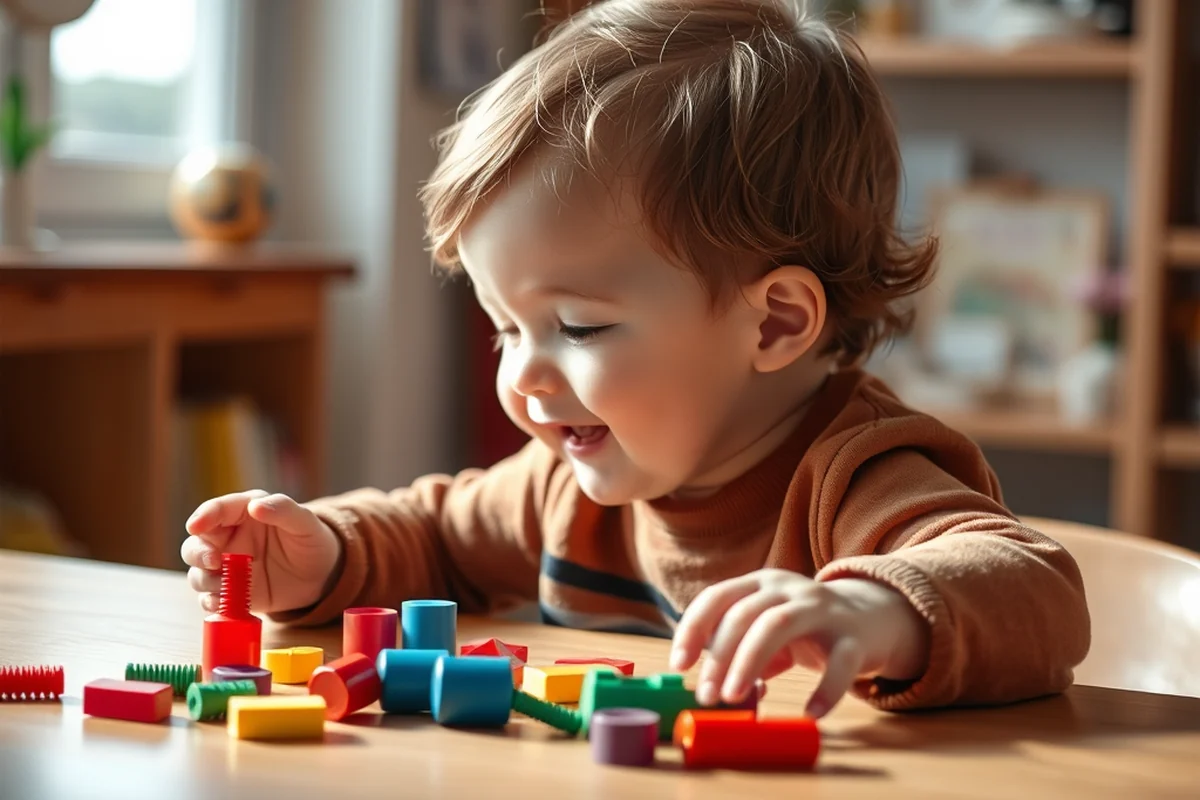
One of the most challenging parts of toddler development is teaching them to share. Early on, my child would often get upset when others tried to take his toys. But I discovered that cooperative play — like building a block tower together — helped shift his mindset. When we worked on projects together, he saw that sharing wasn’t about losing — it was about creating something bigger.
We introduced the 'Two-Player Board Game' at home. It’s a simple board where each player takes turns moving a piece, and the goal is to get to the end together. At first, my toddler would try to block the other player, but as we played, he began to understand that the game was more fun when we both succeeded. This small change in approach helped him learn the value of collaboration and compromise.
After a few weeks of playing these games, I noticed a shift in how he interacted with others. When he and his cousin played with the same toy, he would now say, 'Can you take your turn first?' instead of grabbing it. It was a small but significant step in his social development.
Cooperation turns competition into connection.
Related: Affordable toddler activities that promote social development
Related: Best toddler social and emotional development activities
Related: Top Toddler Social Emotional Development Activities
Related: Top Toddler Social Skills Development
Related: Toddler Social And Emotional Development Activities Vs
Modeling Empathy Through Stories
I quickly learned that my toddler was more receptive to learning empathy through stories than direct instruction. One of our favorites is 'The Little Prince' by Antoine de Saint-Exupéry. Even though it’s a more complex book, the themes of friendship and caring for others really resonated with him. We’d pause and talk about how the prince felt when he was lonely or when he made a mistake.
Another powerful story is 'The Giving Tree' by Shel Silverstein. When my toddler first read it, he was confused by the tree’s selflessness. But as we discussed it, he began to understand that sometimes caring for others can be hard — but it’s also very important. He even started asking if we could do something kind for someone else, like helping his younger cousin or giving a sticker to a friend.
This shift in understanding was incredible. He began to think more about others’ needs and was more willing to help. It was one of the first times I saw empathy take root in a tangible way.
After reading a story, ask your toddler, 'How do you think the character felt?' or 'What would you do if you were in their place?' This helps them understand perspectives and build empathy.
“I remember the moment my toddler, then 2 years old, grabbed another child’s toy and refused to let go.”— Toddler Social Skills Development editors
Related: Cheap toddler social emotional development activities
Routines for Emotional Regulation
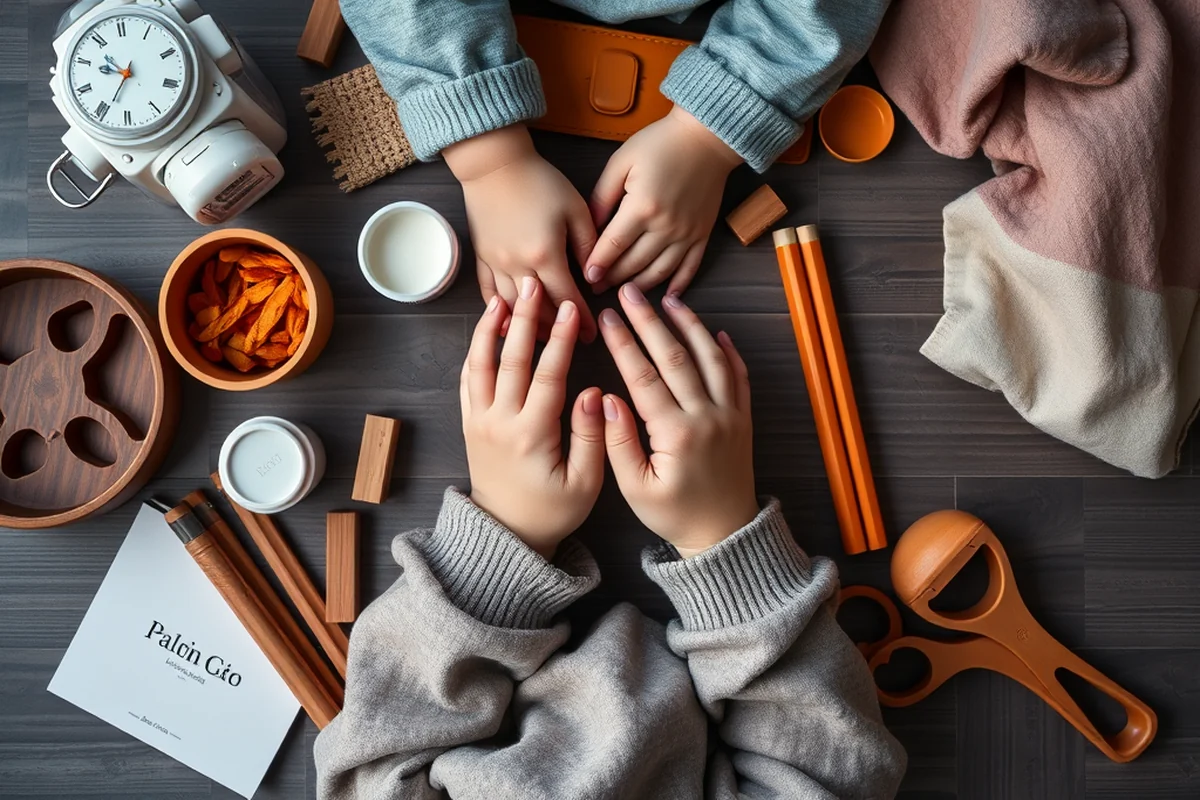
One of the biggest breakthroughs in my toddler’s emotional development came from creating consistent routines. We started with a daily 'calm corner' — a small area in the living room with a soft rug, some books, and a few stuffed animals. Every time he felt overwhelmed, we’d go there together and take a few deep breaths. He soon started using it on his own when he was upset.
We also set up a 'feelings chart' on the fridge, with different faces and emotion words. Every morning, we’d talk about how he felt and pick a face that matched. When he got angry, we’d use the chart to discuss what might have made him feel that way and how he could calm down. This simple visual tool helped him understand and regulate his emotions in a way that made sense to him.
Over time, these routines became part of our family’s identity. My toddler now knows exactly where to go when he feels overwhelmed, and he’s learning to manage his emotions without getting into a full-blown tantrum. It was a small change, but it had a huge impact on his emotional well-being.
Related: Best toddler activities for social development
Interactive Role-Playing for Social Skills
I discovered the power of role-playing when my toddler started pretending to be a doctor, a teacher, and even a firefighter — all in the same day. These pretend scenarios helped him practice turn-taking, listening, and responding to others. When he played 'doctor,' he would ask his older brother if he was feeling better after 'treatment,' and his brother would respond with a fake smile. It was a simple but effective way for them to communicate and connect.
We also introduced 'Feelings Role-Play,' where we would act out different emotions together. If I pretended to be sad, he would ask, 'What’s wrong?' and then we would talk about it. This helped him understand how to comfort others and also gave him a safe space to express his own feelings without fear of judgment.
One of the most surprising results was how quickly he learned to listen to others during these role-plays. He began to use phrases like 'Can I take a turn next?' or 'What do you think we should do now?' These were small but significant signs that he was learning to navigate social interactions more effectively.
Teaching Problem-Solving Through Play
I was amazed by how quickly my toddler began to solve problems on his own when we played games that required teamwork or strategy. One of our favorites was the 'Puzzle Box' — a wooden box with slots where different shapes had to fit. At first, he would just try to force the pieces in, but over time, he started looking at the shapes and figuring out how they should fit. This taught him patience, perseverance, and the value of thinking through a problem before acting.
We also introduced 'Obstacle Courses' in the living room, using pillows, blocks, and soft mats. My toddler would crawl through the course, and we’d talk about how to get around each obstacle. He learned to think about different paths and even started suggesting new ways to handle the course. These activities helped him understand that challenges are not always obstacles — they can be opportunities for growth.
The biggest change I saw was in his confidence. When he faced a difficult puzzle or a tricky obstacle, he now says, 'I can do this!' instead of giving up. It’s a small shift, but it shows that he’s learning to approach challenges with curiosity and determination.
Play is where learning becomes fun and lasting.
Encouraging Kindness Through Daily Actions
I realized that the best way to teach my toddler about kindness was to model it. We started with small, daily actions — like saying 'please' and 'thank you,' helping with chores, or giving a sticker to a friend. These simple acts became part of our family’s routine and helped him see that kindness isn’t always about big gestures — sometimes, it’s about the little things.
We also introduced a 'Kindness Jar' — a jar where we write down kind things we do each day, like helping a sibling, sharing a toy, or being gentle with a pet. Each week, we’d read through the notes together and talk about how those actions made others feel. It helped my toddler understand that even small acts of kindness can have a big impact.
Over time, he started asking, 'Can we do something kind today?' and would suggest things like giving his brother a hug or helping me with the laundry. It was heartwarming to see that he was not only learning about kindness but also taking it to heart.
🌸 Gentle Approach
Focus on low-pressure, emotionally safe activities that build trust and comfort in your toddler.
⚡ Fast-Track Method
Use quick, high-impact activities that can be done in under 10 minutes but still make a lasting impression.
✈️ Travel/On-the-Go
Choose portable and adaptable activities that work well in public spaces or while traveling.
👶 Multiples
Use group-based activities that help toddlers learn from and with each other, especially when multiple children are present.
🔄 Regression Reset
Revisit foundational social and emotional activities to help toddlers regain confidence during developmental setbacks.
| The mistake | Why it happens | The fix |
|---|---|---|
| Trying to force a child to share or express emotions. | Forcing a child can create stress and resistance, making it harder for them to learn these skills naturally. | Offer gentle guidance and create a safe, non-judgmental environment for them to explore emotions and social interactions on their own. |
| Overlooking the importance of modeling behavior. | Children learn a lot by observing adults, so if you don’t model empathy or emotional regulation, they may not pick it up. | Be mindful of how you express your own emotions and interact with others — it sets the tone for how your child will learn. |
| Using punishment to discipline emotional outbursts. | Punishment can make children feel ashamed or scared, which can hinder their ability to manage emotions and build trust. | Use positive reinforcement and teach your child how to calm themselves down through breathing or talking about their feelings. |
| Assuming toddlers are too young to understand empathy or emotions. | Even at a young age, toddlers can begin to understand and respond to emotions if given the right tools and support. | Use simple language, stories, and role-play to help them recognize and express emotions in a way that makes sense to them. |
Top Toddler Social And Emotional Development Activities
Common Questions
How can I encourage my toddler to express their feelings if they don’t want to talk about it?
What should I do if my toddler refuses to share toys with others?
Can I use technology to help with my toddler’s social and emotional development?
How can I teach my toddler to apologize when they do something wrong?
References
Cite this guide
Toddler Social Skills Development (2026). Top Toddler Social And Emotional Development Activities. https://turntakers.com/top-toddler-social-and-emotional-development-activities/
Feel free to cite or share this guide.