
Social Emotional Learning
📖 Table of Contents
When my son turned three, I watched in awe as he waved goodbye to his friend at the park — not with tears, but with a proud grin and a tiny fist pump. It was the first time I saw the seeds of social emotional learning taking root. That moment taught me that these skills aren’t just academic jargon; they’re the invisible glue that helps kids handle the world. Social emotional learning, or SEL, is how my child learned to understand his feelings, manage his impulses. Connect with others, and it’s something I never saw coming until it happened in front of me.[1]
SEL isn’t just about being kind or sharing toys; it’s about teaching kids how to feel, think, and act with intention. I remember the first time he told me, 'I felt sad when you left the room. I know I’ll see you again.' That simple statement made me realize that SEL is about building emotional resilience and self-awareness, which are foundational for all future learning. It’s not something you can teach in a day or even a week — it’s a process that requires patience, presence, and a lot of practice.[2]
Over the past few years, I’ve learned that SEL isn’t just important, it’s essential. It shapes how kids handle conflict, build relationships, and even perform in school. I’ve had to adjust my parenting style, slow down, and listen more — not just to what my child says, but to how he feels. The results have been life-changing for us. SEL is more than a buzzword; it’s a way of life that helps our kids grow into thoughtful, compassionate, and capable human beings.
Why You'll Love This Approach to Social Emotional Learning
- It builds emotional resilience and self-regulation in kids
- It fosters stronger, more meaningful relationships with peers and adults
- It reduces anxiety and behavioral issues in the long run
- It supports academic success and lifelong learning
What is Social Emotional Learning (SEL)?
As of September 2026, Social emotional learning, or SEL, is a set of skills that help kids manage their emotions, think critically, and build healthy relationships. It’s about teaching children how to recognize their feelings, stay calm, and make good choices — even in tough situations. SEL is not just about being a good kid; it’s about building the emotional intelligence needed to thrive in school, work, and life.[3]
I learned the value of SEL when my child started kindergarten and faced his first real conflict over a toy. Instead of jumping in and solving it for him, I guided him through the process of expressing his feelings and finding a solution. It was hard, but it taught him something far more valuable: how to handle challenges on his own.
SEL is not a one-size-fits-all approach. It’s a journey that involves parents, teachers, and caregivers working together to support children. The key is consistency — showing up with empathy, patience, and a willingness to model the behavior we want to see in our kids.
Create a colorful feelings chart with your child that has pictures of emotions. This visual tool helps them identify and express their feelings.
Part of our How to child social skills development guide.
The Power of Emotional Awareness
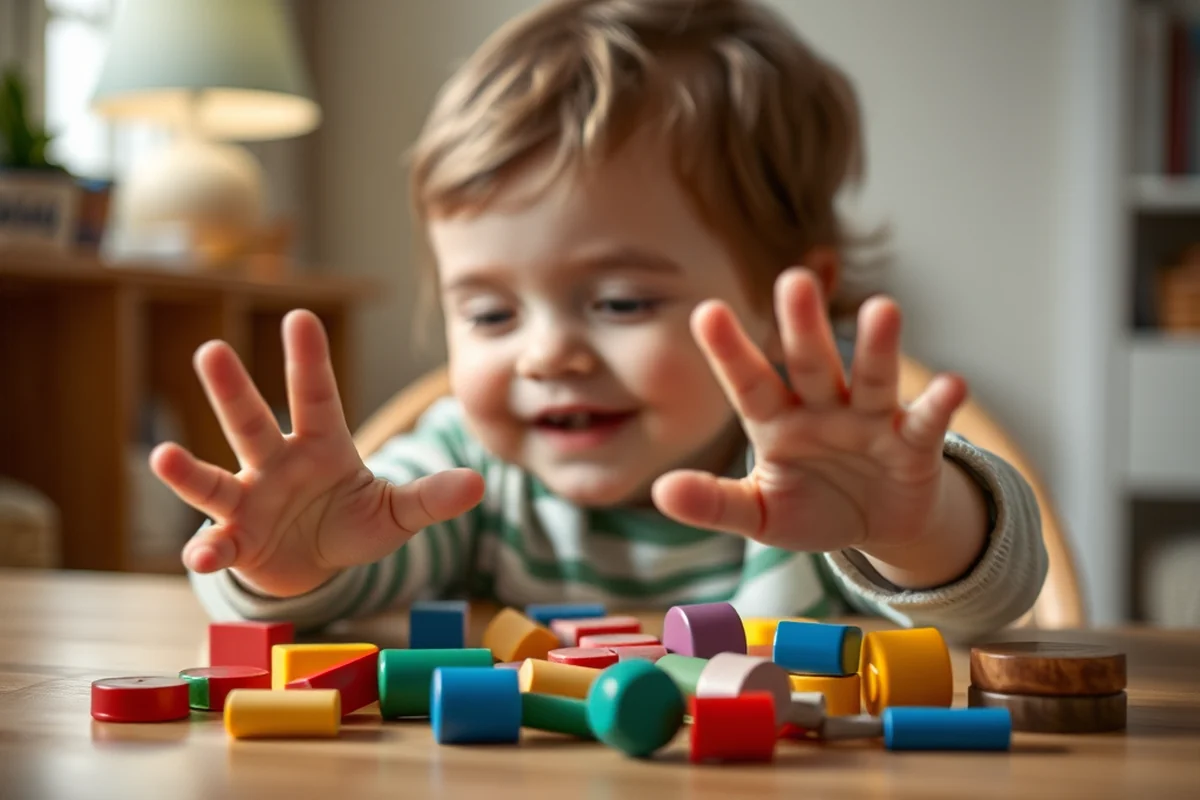
Emotional awareness is the first step in SEL. It’s about helping kids name their feelings, whether it’s anger, sadness, or joy. When my child was two, he would often throw tantrums without knowing why. Now, he can tell me, 'I’m mad because you took my toy.' That shift came from teaching him to recognize his emotions and express them in a way that doesn’t hurt others.
One of the best tools I’ve used is a simple mirror and a feelings chart. We look at the chart together, and I ask him, 'What are you feeling right now?' It’s not always easy, but it helps him develop the language to communicate his emotions.
Emotional awareness isn’t just about identifying feelings; it’s about understanding them. It’s the difference between saying 'I’m upset' and being able to explain why. That’s where SEL really takes root.
Emotions are not the enemy — they’re the messengers.
Related: Kids social skills development comparison
Teaching Empathy Through Everyday Moments
Empathy is one of the most important skills we can teach our kids. It’s about helping them see things from another person’s perspective. I remember when my child saw a classmate crying and immediately went to comfort them. It was a small moment, but it showed me how empathy can be nurtured through simple, everyday interactions.
We practice empathy at home by talking about how others might feel in different situations. For example, when we’re in line at the grocery store, I’ll say, 'What do you think that man is feeling right now?' This helps my child think beyond himself and consider the emotions of others.
Empathy is not just about being kind; it’s about building deeper, more meaningful relationships. When kids learn to see the world through another’s eyes, they become more compassionate and understanding people.
Read books that explore emotions and discuss how the characters feel. This helps kids relate to others and understand different perspectives.
“When my son turned three, I watched in awe as he waved goodbye to his friend at the park — not with tears, but with…”— Toddler Social Skills Development editors
Related: Social emotional learning for kids
Building Self-Regulation Skills
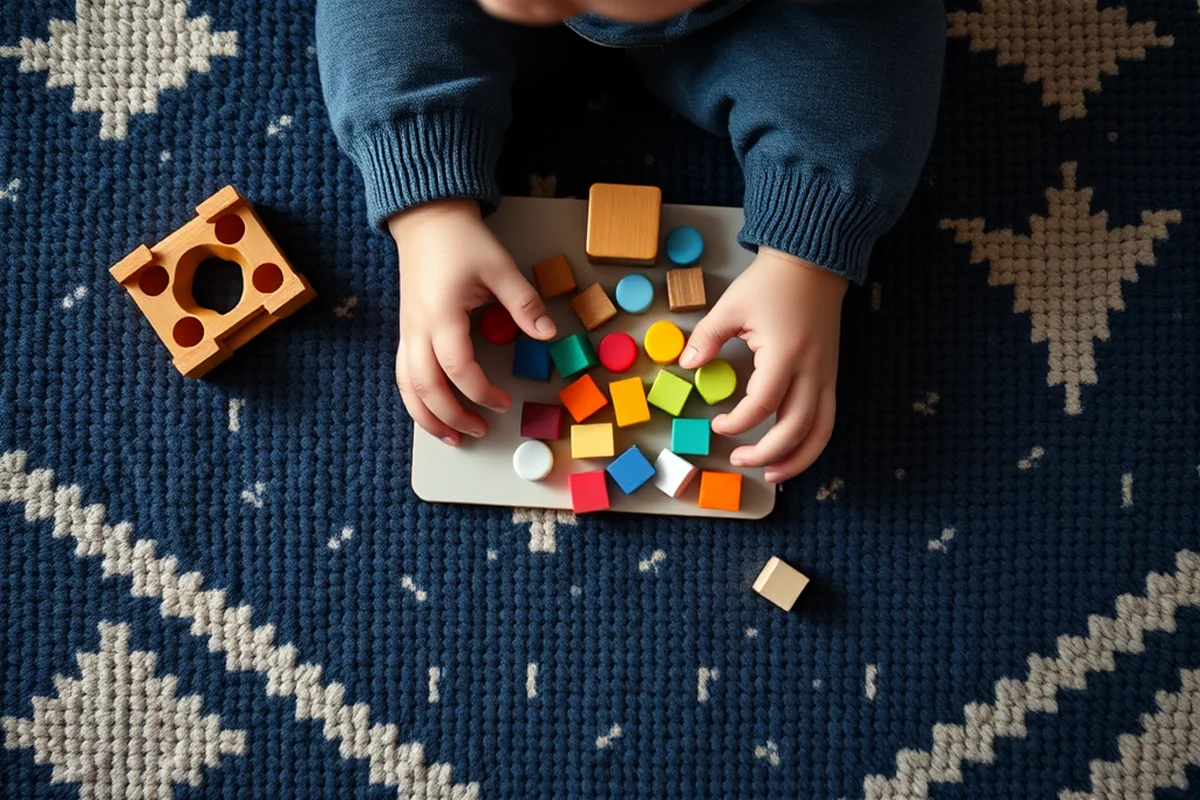
Self-regulation is the skill that helps kids manage their emotions, stay calm, and make good choices even when things get tough. It’s the difference between a child who throws a tantrum in a store and one who can take a deep breath and walk away.
I’ve found that teaching my child to take deep breaths, count to ten, or find a quiet corner when he’s upset has made a huge difference. These strategies help him calm down and think clearly instead of acting out.
Self-regulation is a skill that can be taught and practiced, but it takes time and consistency. It’s not something that happens overnight — it’s a process that requires patience and support from parents and caregivers.
Related: Kids social skills development vs
Encouraging Positive Social Interactions
Social interactions are the building blocks of SEL. They help kids learn how to share, take turns, and work together with others. I’ve noticed that when my child plays with other kids, he’s more patient, more cooperative, and more confident.
We encourage social interactions by inviting friends over for playdates, joining playgroups, and even participating in community events. These experiences give kids the chance to practice their SEL skills in real-life situations.
Positive social interactions don’t just help kids build relationships — they also help them build self-esteem. When kids feel accepted and valued by others, they’re more likely to be kind, confident, and successful in life.
Related: Best what are social skills in a child
The Role of Parents in SEL
As a parent, I’ve learned that my behavior has a huge impact on my child’s SEL development. Kids watch what we do, not just what we say. If I’m calm and patient, my child learns to be too. If I’m angry and short-tempered, my child picks up on that as well.
Modeling SEL skills is one of the most powerful ways we can teach our kids. When I’m upset, I take a moment to breathe and say, 'I’m feeling frustrated. I’ll try to stay calm.' This helps my child see how to handle his own emotions in a healthy way.
Parents are the first teachers of SEL. It’s our job to guide, support, and model the behavior we want to see in our kids. It takes time, but the results are worth it.
Children learn more from what you do than what you say.
Related: Top child social skills development
Creating an SEL-Friendly Home Environment
Creating a home environment that supports SEL is about more than just talking about emotions — it’s about building a space where kids feel safe, supported, and encouraged to grow. It’s about setting boundaries, providing structure, and being present for our children.
We’ve made it a point to create a calm, predictable environment at home. This includes having routines for meals, bedtime, and playtime. When kids know what to expect, they feel more secure and are better able to manage their emotions.
An SEL-friendly home is one where kids can express themselves freely, without fear of judgment. It’s a place where they feel loved, respected, and understood — and that’s where real learning begins.
🌱 Gentle Approach
A slow, nurturing style that focuses on emotional awareness and empathy, perfect for sensitive children.
⚡ Fast-Track Method
A structured approach that introduces SEL skills quickly, ideal for kids who need more direct guidance.
✈️ Travel/away-from-home Strategy
Tips for maintaining SEL practices while on the go, including portable tools and routines for managing emotions.
👶 Multiples Approach
SEL strategies tailored for families with multiple children, focusing on fairness, sibling relationships, and shared learning.
🔄 Regression Reset
A method to help children relearn SEL skills after a setback, such as a change in routine or emotional stress.
| The mistake | Why it happens | The fix |
|---|---|---|
| Ignoring emotional outbursts | This can lead to children feeling misunderstood and not learning how to manage their emotions. | Instead of ignoring outbursts, validate your child’s feelings and guide them toward finding a solution. |
| Overcorrecting behavior | This can make children feel criticized and less likely to want to try again. | Focus on modeling the behavior you want to see and offer gentle guidance instead of criticism. |
| Not practicing SEL consistently | Inconsistent practice can make it difficult for children to develop and retain SEL skills. | Make SEL a daily habit by talking about emotions, practicing empathy, and setting a good example. |
| Not involving the child in SEL learning | Children learn best when they’re actively involved in the process, not just told what to do. | Involve your child in SEL learning by asking their opinion, playing SEL-related games, and encouraging them to express their feelings. |
Social Emotional Learning
Common Questions
How can I teach my child to manage anger?
What are some SEL activities for toddlers?
How do I know if my child is struggling with SEL?
Can SEL be taught through play?
References
- California Preschool Learning Foundations (Volume 1) (cde.ca.gov)
- Milestones by 4 Years | Learn the Signs. Act Early. - CDC (cdc.gov)
- Understanding social emotional learning for adolescents (adolescenthealth.utah.gov)
Cite this guide
Toddler Social Skills Development (2026). Social Emotional Learning. https://turntakers.com/social-emotional-learning/
Feel free to cite or share this guide.