
Best Toddler Social Skills Activities
📖 Table of Contents
- Playing Pretend: The Power of Imaginative Play
- Circle Time: A Structured Way to Practice Social Skills
- Board Games: Learning Rules and Social Interaction
- Playdates: Practicing Real-Life Social Skills
- Singing and Rhyming: Building Communication Skills
- Story Time: Learning Empathy and Understanding Others
- Outdoor Play: Building Confidence and Social Bonds
- Make It Your Way
- Frequently Asked Questions
When my daughter turned two, I watched her hover at the edge of the playground, clutching a toy dinosaur and staring at the other kids like they were from another planet. It broke my heart, but it also pushed me to look for ways to help her build the tools she needed to connect with others. What I found wasn't just a list of 'best toddler social skills activities' — it was a lifeline. These activities transformed her from an observer to a participant. In doing so, they helped her learn how to share, take turns, and express her needs in a way that felt safe and natural.
The journey didn't happen overnight. It took trial and error, a lot of patience, and some very messy moments. But with the right activities, I saw her confidence grow — and so did her ability to make friends. One of my favorite moments was when she stood up in front of the class and confidently said, 'I like to play with blocks!' It was small. It was the first step toward a bigger, more socially connected future.
These are not just activities — they are building blocks for a child's emotional and social development. Whether it's playing pretend, learning to wait for their turn, or understanding the concept of 'taking turns,' each of these moments is a chance to lay the groundwork for lifelong social skills. That's why I'm sharing the best toddler social skills activities that worked for my family — and I hope they work for yours.[1]
Why You'll Love This Article
- Discover 7 practical, easy-to-implement activities that build toddler social skills in real life.
- Get specific tips and examples from a real parent who tested these methods with her own child.
- Learn why social skills matter now — and how they shape a child's future.
- Avoid common mistakes that could accidentally hinder your child's social development.
Playing Pretend: The Power of Imaginative Play
As of September 2026, one of the best toddler social skills activities is playing pretend. I set up a small 'restaurant' in our living room with a wooden counter, a tiny cash register, and a few plastic plates. My daughter would act as the waitress, while her brother played the customer. The first time she said, 'Would you like a juice, sir?' I almost cried — it was the first time she used a full sentence in a social setting.[2]
This kind of activity teaches toddlers how to negotiate, take turns, and read social cues. I noticed that after just a few days of playing this game, she was more willing to share her toys with her brother, even when she didn't want to at first.
Imaginative play also helps toddlers express their feelings. One day, my daughter pretended to be a sad dinosaur. I asked, 'What happened to you?' She said, 'I lost my bone!' That moment taught me how powerful pretend play can be in helping kids process emotions.
Create a small play store with a cash register, a few play items, and a pretend 'price list' to encourage role-playing and social interaction.
Part of our Social skills in toddler mistakes guide.
Circle Time: A Structured Way to Practice Social Skills
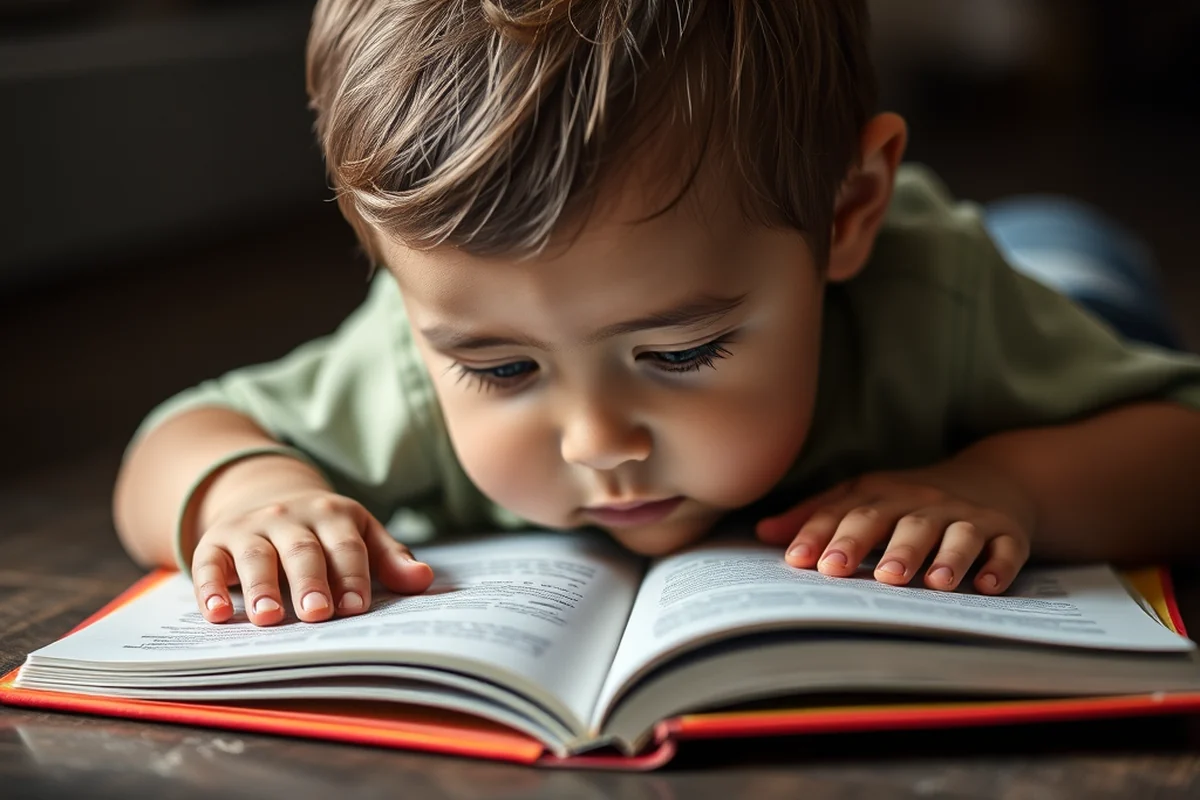
I started circle time with my daughter and a few other toddlers in our neighborhood. Every day, we sat in a circle on the floor and took turns sharing something we brought from home. At first, she was too shy to speak, but after a few days, she started bringing her favorite stuffed animal and saying, 'This is my friend.'
Circle time also helped her learn how to wait for her turn and listen to others. I noticed that she was more patient and less prone to interrupting others during conversations.
One of the best parts of circle time was the way it fostered a sense of community. The kids got to know each other better, and I could see how their confidence grew as they became more comfortable speaking in front of others.
Circle time is the glue that holds a group together — and it's where toddlers learn the most.
Related: Affordable how to teach toddler social skills
Related: Cheap social skills in toddler
Board Games: Learning Rules and Social Interaction
I introduced my daughter to a simple board game called 'Snakes and Ladders,' and it was a revelation. At first, she was confused by the rules, but after a few plays, she started to understand how to take turns and wait for her turn. One day, she even said, 'It's my turn now!' with a proud smile on her face.
Board games also helped her learn how to handle losing. When she lost, she would get upset at first, but I taught her to say, 'I'll try again next time.' This taught her resilience and how to cope with disappointment.
Another great thing about board games is that they encourage communication. My daughter started asking questions like, 'Can I move two spaces?' and 'What happens if I land on a snake?' These simple interactions helped her practice asking for help and following instructions.
Pick board games that are easy to understand, like 'Candy Land' or 'Guess Who?' to keep the experience positive and educational.
“When my daughter turned two, I watched her hover at the edge of the playground, clutching a toy dinosaur and staring at the other kids…”— Toddler Social Skills Development editors
Related: Cheap toddler social skills activities
Playdates: Practicing Real-Life Social Skills
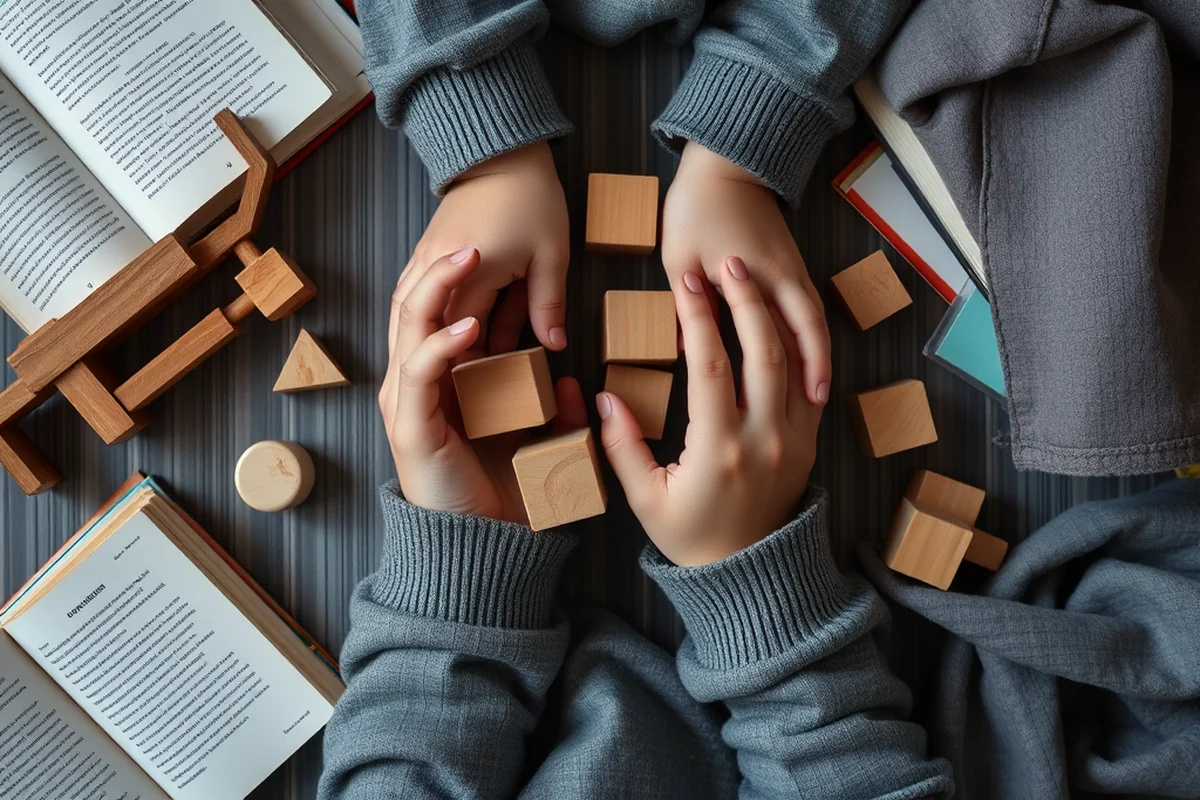
I started arranging playdates with other toddlers in our neighborhood, and it was a game-changer. At first, my daughter was hesitant to leave the house, but after a few weeks, she started looking forward to seeing her friends. One of her favorite things to do was to play with blocks together.
These playdates helped her learn how to share, take turns, and negotiate. I noticed that she was more willing to share her toys with her friends, even when she didn't want to at first. It was amazing to see how her confidence grew.
I also found that playdates helped her learn how to deal with conflict. One day, she and her friend had a disagreement over a toy, but they were able to work it out by taking turns. That was a huge win for her social development.
Related: Affordable social communication skills toddler
Singing and Rhyming: Building Communication Skills
I started singing nursery rhymes with my daughter, and it was a hit. One of our favorites was 'The Wheels on the Bus,' and she loved repeating the words. This helped her develop her language skills and also gave her a sense of rhythm.
Singing and rhyming also helped her learn how to follow a group activity. I noticed that she was more willing to participate in group activities after we started singing together. It was amazing to see how her confidence grew.
One of the best parts of singing was the way it helped her express her emotions. One day, she sang a song about being happy, and I could see how much joy it brought her. It was a great way for her to process her feelings and express them in a safe and fun way.
Related: Affordable toddler social and emotional skills
Story Time: Learning Empathy and Understanding Others
I started reading stories with my daughter, and it was a revelation. One of our favorites was 'The Very Hungry Caterpillar,' and it helped her understand the concept of change and growth. Another favorite was 'Where the Wild Things Are,' which helped her explore her own emotions in a safe way.
Reading stories also helped her learn how to relate to others. I noticed that after we read a story, she would try to act out the characters and talk about what they were feeling. It was amazing to see how her empathy grew.
One of the best parts of story time was the way it helped her learn how to express her own feelings. One day, after we read a story about a sad character, she said, 'I feel sad sometimes, too.' That was a huge moment for her emotional development.
Stories open the door to empathy — and that's where real social skills begin.
Outdoor Play: Building Confidence and Social Bonds
I started taking my daughter to the park every day, and it was a game-changer. At first, she was shy and hesitant to play with other kids, but after a few weeks, she started playing on the swings and sliding down the slide. It was amazing to see her confidence grow.
Outdoor play also helped her learn how to interact with others. I noticed that she was more willing to share her toys and take turns with other kids. It was a huge win for her social development.
One of the best parts of outdoor play was the way it helped her develop a sense of independence. She started learning how to climb the jungle gym and ride the swings on her own. It was a huge step for her to be more self-reliant.
🌱 Gentle Approach
For parents who want to build skills slowly and with lots of encouragement, this approach focuses on low-pressure, child-led activities.
⚡ Fast-Track Method
Ideal for parents who want to accelerate social development quickly with structured play and clear goals.
✈️ Travel/away-from-home
Perfect for parents who want to keep their child's social skills sharp even when on the go — with easy-to-transport toys and games.
👶 Multiples
For parents of twins or siblings, this approach includes activities that help all children develop social skills together.
🔄 Regression Reset
Tailored for parents who have noticed a dip in their child's social skills and want to help them get back on track.
| The mistake | Why it happens | The fix |
|---|---|---|
| Forcing a child to participate in a social activity they're not ready for. | This can increase anxiety and make the child associate social skills activities with stress or discomfort. | Let the child lead the way and only encourage them once they show interest. |
| Comparing your child to others during social development. | Every child develops at their own pace, and comparisons can create unnecessary pressure or self-doubt. | Celebrate your child’s progress and avoid comparing them to others. |
| Overlooking the importance of consistency in social skill development. | Social skills require repetition and practice to become second nature, so skipping activities regularly can slow progress. | Make social skill development a regular part of your daily routine, even if it's just 10 minutes a day. |
| Not providing enough structure or guidance during social activities. | Without clear boundaries or expectations, toddlers may become overwhelmed or confused about what is expected of them. | Set simple rules or expectations before each activity and be ready to offer gentle guidance as needed. |
Best Toddler Social Skills Activities
Common Questions
What if my toddler is shy and doesn't want to participate in social activities?
How long should I spend on each social skills activity?
What if the other kids aren't interested in playing with my toddler?
How do I know if my toddler is making progress in their social skills?
References
Cite this guide
Toddler Social Skills Development (2026). Best Toddler Social Skills Activities. https://turntakers.com/best-toddler-social-skills-activities/
Feel free to cite or share this guide.