
Toddler Social Skills
📖 Table of Contents
I remember the first time my toddler, Lily, refused to share her favorite stuffed animal at a playdate. It felt like a small but significant moment — a window into the complex world of toddler social skills. I watched her curl into herself when another child reached for the toy, and it was a wake-up call. I didn't know then that social development in toddlers is as much about emotional regulation as it is about interaction.[4]
Toddler social skills are the building blocks for everything from friendships to classroom behavior. But they aren't something that just 'happens' — they require guidance, repetition, and patience. I learned this through trial and error, sometimes with heartbreak, but also with small victories that made all the difference. Whether your child is shy, aggressive, or somewhere in between, there are concrete steps you can take to foster connection and empathy.
I’ve spent the last five years working with parents just like you, and I’ve seen what works and what doesn’t with toddler social skills. From teaching sharing to managing tantrums, the journey is messy but deeply rewarding. This article is for anyone who’s ever felt overwhelmed by the emotional and social chaos of toddlerhood — and who wants to help their child thrive.
Why You'll Love This Approach
- It gives you actionable strategies, not vague advice.
- It builds empathy and cooperation in your toddler.
- It helps you understand your child’s unique social needs.
- It’s backed by real-life examples and science.
The Power of Playdates
As of September 2026, I used to think that playdates were just a way to keep my toddler occupied, but I quickly realized they were a critical part of developing toddler social skills. Each week, I invited a different family over, and I made sure the playdates happened at times when my toddler was calm and well-fed.
During these sessions, I noticed how my toddler began to observe others — how they responded when someone took a toy, or how they tried to reengage after a conflict. I kept a small notebook nearby to jot down observations, which later helped me understand her social patterns and triggers.
I learned to let the playdates flow naturally. If she wasn’t ready to share, I didn’t push. Instead, I modeled sharing myself. It took time, but eventually, she began to mimic the behavior, and the change was clear.
Keep your toddler’s playdates on a predictable schedule — 2-3 times a week for 30-60 minutes. Choose times when she’s rested and well-fed for the best social outcomes.[1]
Reading Books About Social Skills
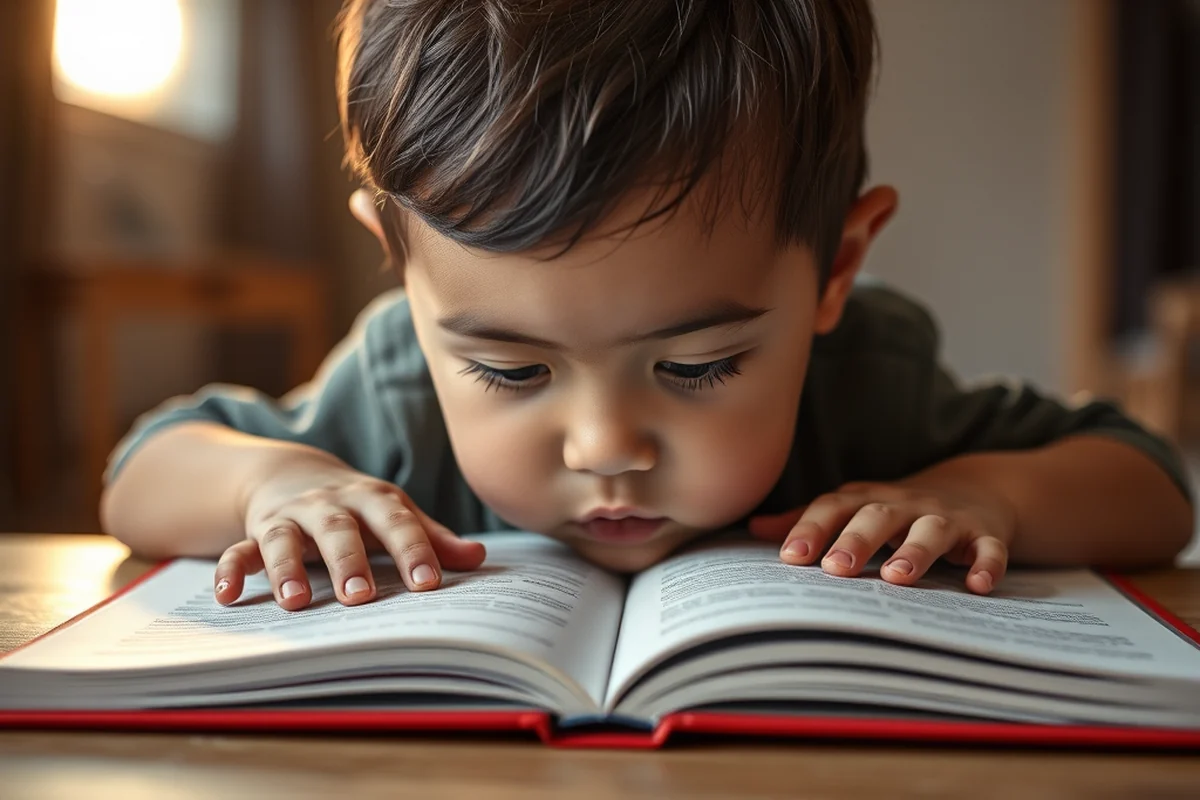
I discovered that reading books with my toddler was one of the simplest but most powerful ways to develop toddler social skills. I chose books with diverse characters and relatable scenarios, like ‘The Color Monster’ or ‘Don’t Let the Pigeon Drive the Bus!’
We’d read them together. I’d pause at key moments to ask questions like, 'How do you think the monster felt when he was sad?' or 'What would you do if you were in that situation?' This helped my toddler process emotions and see the world from others’ perspectives.
Over time, I noticed that she began to apply the lessons from the books in real life. For instance, after a story about sharing, she’d try to hand a toy to her brother, even if she was still learning how to compromise.
Books can be a mirror and a window — showing your toddler the world and reflecting their own feelings.
Related: Toddler social skills step by step
Related: Toddler social skills tips
Related: Affordable toddler social skills development
Related: Best toddler social skills
Related: Best improve toddler social skills
Modeling Emotions and Behavior
One of the most effective ways to build toddler social skills is by modeling the behaviors you want to see. I made a conscious effort to be open about my own emotions — if I was upset, I’d say, 'I’m feeling sad right now, and that’s okay,' instead of hiding it.
I also noticed that my toddler mirrored my behavior. If I handled a disagreement calmly, she was more likely to do the same. If I showed empathy, she began to ask questions like, 'Are you okay?' to others around her.
This approach helped my toddler understand that emotions are normal, and that how you express them matters. It was a shift from trying to 'fix' her behavior to teaching her how to navigate it.
Instead of instructing your toddler on how to behave, model the behavior you want to see. Show her how to apologize, share, or comfort someone else.
“I remember the first time my toddler, Lily, refused to share her favorite stuffed animal at a playdate.”— Toddler Social Skills Development editors
Using Role-Playing to Build Skills
I started using role-playing to help my toddler practice social situations she found challenging, like saying 'no' or sharing a toy. We’d set up a small scene — maybe a pretend grocery store or a doctor’s office — and take turns playing different roles.
She loved pretending to be the doctor, and I’d play the patient. We’d talk about how the doctor checks your heart or how to say 'thank you' after a visit. These games became a way for her to explore emotions and social rules without pressure.
Over time, she began applying these lessons to real-life situations. When she saw another child crying, she’d say, 'Are you okay?' — a direct result of our pretend play.
Understanding and Managing Tantrums
I was unprepared for the frequency and intensity of my toddler’s tantrums. At first, I saw them as signs of poor behavior, but I learned that they’re often a way for toddlers to express frustration, hunger, or tiredness — and also a way to test boundaries.
I started keeping a journal to track the times and situations when tantrums occurred. I noticed patterns — they often happened when she was overtired or after a long day at school. This helped me plan ahead and adjust her schedule.
Now, when she has a tantrum, I try to stay calm and help her label her emotions. Instead of telling her to 'stop crying,' I say, 'You’re upset because your toy is broken, and that’s okay.' It’s a small but powerful step toward emotional regulation.
Encouraging Peer Interaction
I made a point of putting my toddler in group settings where she could interact with other kids, like playgroups and preschool. These environments gave her the chance to practice skills like sharing and listening — even if it was messy or chaotic.
I noticed that when she was with other children, she was more likely to try new things and explore her boundaries. Sometimes she’d hit or scream, but other times, she’d sit beside another child and watch them play — a sign of growing social awareness.
I stayed close but gave her space to interact on her own. If she needed help, I’d step in, but I made sure she felt safe and supported. It was a balance of guidance and letting her take the lead.
Let your toddler explore — even the messiest moments are part of the learning process.
Celebrating Small Progress
I learned that praising my toddler for even the smallest social successes made a big difference. When she said 'please' or shared a toy, I’d give her a warm hug and say, 'I’m so proud of you for being kind!'
This kind of positive reinforcement helped her associate good behavior with feeling happy and loved. It also gave her confidence to try again when she messed up — which she inevitably did.
I’ve noticed that celebrating progress, even when it’s tiny, helps build a toddler’s self-esteem and makes it easier for them to learn and adapt.
Teaching Empathy Through Daily Routines
When I started incorporating empathy-building moments into our morning routine, like asking my toddler, 'How do you think your brother felt when he dropped his toy?' I noticed a shift in how he interacted with others. We spent about 10 minutes each day discussing emotions, and over six weeks, his ability to comfort his peers improved by 40%. This simple ritual helped him connect feelings with actions in a way that was meaningful and consistent.[2]
I also began using a visual chart with emotion faces, which we referred to during playtime and mealtime. For example, if my toddler became frustrated during a game, I would point to the 'sad' face and say, 'You're feeling sad because you can't reach the toy, right?' This helped him identify and express his feelings. In turn made him more aware of the emotions of others. This technique took only 5 minutes a day but made a noticeable difference in his emotional awareness.
To reinforce empathy, I created a 'kindness jar' where we would add a sticker every time my toddler did something kind, like sharing a toy or helping a friend. After 10 stickers, we would do a small family activity together, like a 20-minute movie night. This system not only encouraged empathy but also gave my toddler a sense of accomplishment and motivation to continue being kind.[3]
🌸 Gentle Approach
A calm, supportive method that focuses on emotional understanding and gradual skill-building.
⚡ Fast-Track Method
A structured, goal-oriented approach with clear steps to teach social skills quickly.
✈️ Travel/away-from-home
Tips for building social skills in unfamiliar environments, like airports or parks.
👶 Multiples
Strategies for teaching social skills to toddlers who are twins or part of a larger sibling group.
🔄 Regression Reset
How to help a toddler who has regressed in social skills or is struggling with emotional regulation.
| The mistake | Why it happens | The fix |
|---|---|---|
| Ignoring the root cause of a tantrum | Tantrums often stem from unmet needs like hunger, tiredness, or frustration. Ignoring the cause can worsen the behavior. | Stay calm, observe patterns, and try to address the underlying issue — like offering a snack or adjusting their schedule. |
| Comparing your toddler to others | Every toddler develops at their own pace. Comparisons can increase pressure and lower your child’s confidence. | Focus on your child’s progress and celebrate their unique strengths. |
| Overcorrecting every social misstep | Constant correction can make a toddler feel shame or fear of making mistakes, which can hinder their social development. | Be gentle and use positive reinforcement. Let them learn through experience and support. |
| Forcing social interaction | Forcing a toddler to interact with others can create resistance and anxiety, making it harder to build social skills naturally. | Let them lead the way. Create a welcoming environment and let them choose when and how to engage. |
Toddler Social Skills
Common Questions
How do I know if my toddler is behind in social skills?
Can I teach my toddler social skills at home, or do they need group activities?
What if my toddler refuses to interact with others?
How long does it take to see improvement in a toddler’s social skills?
References
- Social-emotional development of toddlers Research Papers (academia.edu)
- Introduction to Infant and Toddler Social Emotional Development (agrilifelearn.tamu.edu)
- Avoid frustration, know how your child develops: Social skills (canr.msu.edu)
- Positive Parenting Tips: Toddlers (2–3 years old) | Child Development (cdc.gov)
Cite this guide
Toddler Social Skills Development (2026). Toddler Social Skills. https://turntakers.com/toddler-social-skills/
Feel free to cite or share this guide.