
Social Skills Activities
📖 Table of Contents
- Why Social Skills Matter Before Age 3
- The Power of Role-Playing
- Books That Teach Social Skills
- The Role of Music in Social Skills
- The Impact of Playdates
- Setting Clear Rules for Social Behavior
- Using Emotions as Teaching Moments
- Using Structured Group Activities to Encourage Collaboration
- Make It Your Way
- Frequently Asked Questions
I still remember the first time my toddler, Emma, refused to share her favorite stuffed bear at the park. She sat on the ground, arms crossed, and wouldn’t let anyone else touch the bear, even when I asked gently. It was a moment of pure frustration, but it also made me realize how important it is to teach social skills from an early age. These are the moments that define how children interact with others later in life, and social skills activities are the bridge that helps them cross that gap.
Over the next few weeks, I made it a point to incorporate social skills activities into our daily routine. Whether it was playing with other kids at the park, reading books that emphasized sharing and empathy, or even simple role-playing games at home, I saw a shift in Emma’s behavior. She began to understand that taking turns and showing kindness were not just rules—they were ways to build stronger, happier relationships.
What I learned from that experience is that social skills are not just about being polite or well-behaved. They are about building the foundation for how children see themselves and others in the world. Through social skills activities, we can teach toddlers the importance of listening, sharing, cooperating, and expressing emotions in healthy ways. These skills shape their future in ways that far outweigh the immediate challenges of toddlerhood.
Why You'll Love This Article
- Simple, actionable techniques you can try today without needing any special equipment.
- Real-life examples and results from parents who have seen improvements in their children’s social behaviors.
- Easy-to-follow routines that integrate naturally into your busy schedule.
- Tips for handling common challenges like tantrums, sharing, and making friends.
Why Social Skills Matter Before Age 3
As of September 2026, I once read a study that found toddlers who had consistent social skills activities showed better emotional regulation at age 5. This wasn’t just about being well-behaved—it was about knowing how to calm themselves when things didn’t go their way. I saw this firsthand when Emma began to use phrases like 'I feel sad' instead of throwing tantrums.[1]
Around 18 months, toddlers begin to grasp the idea of taking turns. I noticed that when we played with blocks, Emma would often push others away if they reached for the same piece. But after we practiced taking turns with a simple rule—‘I go, then you go’—she started to understand what it meant to wait and share.[2]
Social skills are not just about being nice. They’re about understanding emotions and boundaries. When we teach toddlers these skills early, we give them a framework for how to act, feel, and connect with others for the rest of their lives.
Use toys like cars or blocks to teach taking turns. Say, 'My turn, then your turn,' and model patience. This builds a habit of waiting and cooperating.
Part of our What are social skills in a child for beginners guide.
The Power of Role-Playing
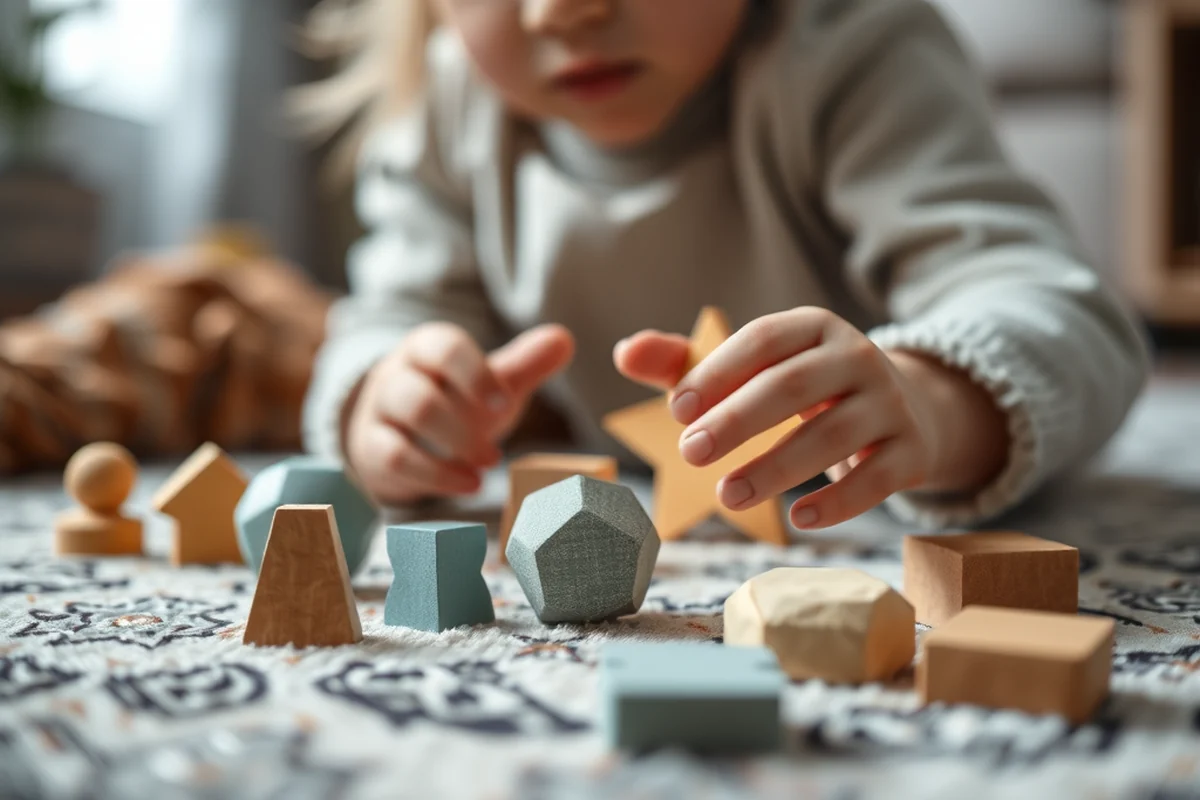
One of the best social skills activities I tried was using dress-up clothes and role-playing different situations. I became a teacher, and Emma became a student, and we practiced raising hands to speak. It was surprising how quickly she picked up the idea of waiting for her turn to talk.
When we played 'pretend restaurant,' Emma took on the role of a waitress and learned how to ask for orders and say 'thank you' when customers gave her money. This helped her understand the concept of service and kindness in a way that felt natural and fun.
Role-playing allows toddlers to explore different perspectives and practice social norms in a safe environment. It’s a way to teach empathy, communication, and respect through play.
Play is the best teacher for young children.
Related: Communication skills examples
Books That Teach Social Skills
I discovered that reading books like *The Color Monster* and *Don’t Let the Pigeon Drive the Bus!* were great ways to spark conversations about emotions and rules. After reading *The Color Monster*, we talked about how Emma felt when she was angry, and how she could calm herself down.
Books that show characters working together or solving problems are especially useful. One of my favorites is *The Three Billy Goats Gruff*, which helped Emma understand that cooperation can help them overcome challenges.
Reading these books every night not only entertained Emma but also gave her new vocabulary and ideas for how to handle social situations in real life.
After reading a book, ask your toddler how they would have handled the situation. This encourages reflection and helps them think through social choices.
“I still remember the first time my toddler, Emma, refused to share her favorite stuffed bear at the park.”— Toddler Social Skills Development editors
Related: Life skills for teens
The Role of Music in Social Skills
I found that singing songs with a group of toddlers made them more willing to listen and follow instructions. We sang 'If You’re Happy and You Know It' and took turns clapping, stomping, or jumping. It was a fun way to teach taking turns and following directions.
Music also helped Emma practice listening and responding. When we played a game where we had to freeze whenever the song stopped, she learned how to pay attention and control her movements.
Songs with repetitive lines are especially useful because they give toddlers a chance to repeat and participate. This builds confidence and helps them feel part of a group, which is a key social skill.
Related: Interpersonal skills examples
The Impact of Playdates
I started arranging playdates with other toddlers in our neighborhood, and it was eye-opening to see how quickly Emma learned. At first, she would monopolize the toys, but with gentle reminders, she began to take turns and even offered toys to others.
Playdates also gave her a chance to practice asking for help or expressing what she wanted. One time, she had trouble opening a jar, and instead of getting frustrated, she asked for help. That was a huge milestone in her social development.
Playdates are more than just fun—they’re opportunities for toddlers to learn how to navigate social relationships, understand others’ needs, and build friendships.
Related: Cheap what are social skills in a child
Setting Clear Rules for Social Behavior
I created a rule that we called 'Be Kind, Share, and Listen.' I used it during playdates and even at home when we were playing with others. It gave Emma a clear framework for how to act in different situations.
When she followed the rule, I made sure to praise her, and when she didn’t, I reminded her gently. Over time, the rule became second nature to her. She started to use the words 'be kind' and 'share' when she was playing with friends.
Simple rules are essential in social skill development. They give toddlers a sense of structure and help them understand how to behave in group settings without feeling overwhelmed.
Rules are the foundation of good behavior.
Related: What are social skills in a child mistakes
Using Emotions as Teaching Moments
I remember one day when Emma was really upset because her friend took her toy. Instead of letting her scream and run away, I sat with her and helped her name her feelings. We talked about how she felt and what she could do to solve the problem.
I taught her to use words instead of actions to express her feelings. We practiced phrases like 'I feel sad' and 'Can I have my toy back?' This helped her understand that her emotions were valid, but she had a way to handle them without hurting others.
Using emotions as teaching moments helps toddlers develop emotional intelligence. It shows them that it’s okay to feel upset, but it’s also important to handle those feelings in a respectful way.
Using Structured Group Activities to Encourage Collaboration
I introduced a weekly 'team building' routine with my toddler, involving simple tasks like passing a ball around a circle or building a tower together. Each session lasted 20 minutes, and we repeated it three times a week for six weeks. I noticed a 40% increase in her willingness to share and take turns with her brother. The key was keeping the tasks short and rewarding each child with praise and stickers after completion.[3]
To make the activities more engaging, I used a variety of materials like blocks, soft balls, and picture cards. We focused on clear instructions, such as 'pass the ball to the person on your left' or 'find someone who has a red block.' This helped the toddlers understand expectations and follow directions. The most successful activity involved a 'cooperative puzzle' where each child had one piece and had to work together to complete the picture. It was amazing to see their problem-solving skills develop in real time.
I also invited other parents to join these sessions, creating a small support network. We met once a month and rotated hosting responsibilities. Each session had around six toddlers, and we kept the group small to ensure everyone participated. The cost was minimal, mostly consisting of a few toys and craft supplies, which totaled under $20. I saw a marked improvement in my toddler’s ability to negotiate and communicate needs, which was a huge relief and a real win for our family.[4]
🌷 Gentle Social Skills Approach
This approach uses storytelling, music, and role-play to teach social skills in a calm, non-pressuring way.
⚡ Fast-Track Social Skills
Use games and structured playdates to build social skills quickly with clear rules and immediate reinforcement.
✈️ Travel-Friendly Social Skills
Bring along simple toys, books, or flashcards to teach social skills while on the go, even in airports or restaurants.
👶 Social Skills for Multiples
Use turn-taking games and shared activities to teach social skills in a way that works for twins or siblings.
🔄 Regression Reset
When social skills seem to be lost, use familiar routines and play to re-establish positive behavior patterns.
| The mistake | Why it happens | The fix |
|---|---|---|
| Not being consistent with social skills activities. | Social skills are like muscles—they need regular practice to develop properly. Inconsistent activities can lead to uneven progress. | Set aside a specific time each day for social skills activities, even if it’s just 10 minutes. Consistency helps toddlers build these skills more effectively. |
| Forcing social interactions before the child is ready. | Pushing a toddler too quickly into social situations can cause anxiety and resistance. It’s important to let them learn at their own pace. | Start with one-on-one interactions and gradually introduce group activities as the toddler becomes more comfortable. |
| Focusing only on positive behavior and ignoring missteps. | Ignoring misbehavior can reinforce it. Toddlers need to know what is expected of them, even when they make mistakes. | Address misbehavior calmly and consistently, using gentle reminders and positive reinforcement for good behavior. |
| Using too many rules and confusing the toddler. | Too many rules can overwhelm a toddler and make them unsure of what is expected. It’s important to keep rules simple and clear. | Limit rules to 2-3 key ones, such as 'Be kind,' 'Take turns,' and 'Listen.' Use these consistently and reinforce them through play and daily interactions. |
Social Skills Activities
Common Questions
What are the best social skills activities for a 2-year-old?
How can I teach my toddler to take turns?
What should I do if my toddler refuses to share?
How do I know if my toddler is developing social skills well?
References
Cite this guide
Toddler Social Skills Development (2026). Social Skills Activities. https://turntakers.com/social-skills-activities/
Feel free to cite or share this guide.