
Affordable Toddler Activities For Social Development
📖 Table of Contents
- The Power of Pretend Play
- Why Neighborhood Playdates Work Better Than Any Class
- Simple Games That Teach Big Skills
- The Surprising Benefits of Scavenger Hunts
- How Music and Rhythm Support Social Growth
- Why Pretending to Be an Animal Helps
- The Magic of Sharing and Taking Turns
- How Community Gardens Can Boost Toddler Social Skills
- The Impact of Structured Routines on Toddler Social Behavior
- Make It Your Way
- Frequently Asked Questions
I remember when my toddler, Lily, would sit at the park for hours without making eye contact with other kids. We tried everything — buying fancy playdates, visiting expensive classes — but nothing seemed to help. It wasn’t until I started doing affordable toddler activities for social development at home that I saw real change. These activities didn’t cost a fortune, but they built confidence, curiosity and connection in a way that surprised even me.
The key to toddler social development doesn’t lie in expensive toys or private lessons. It’s in the simple, everyday moments that foster empathy, cooperation and communication. I’ve tested dozens of ideas, from cardboard box forts to neighborhood playgroups. I’ve found that affordable toddler activities for social development can be just as effective — if not more so — than any paid program.
You don’t need a budget of $100 a month to nurture your child’s social skills. In fact, I’ve found that the most effective activities are the ones that use what you already have at home. Whether it’s a blanket fort, a scavenger hunt, or a game of pretend, these affordable toddler activities for social development can be done in under 20 minutes and can be tailored to your child’s unique needs.[1]
Why You'll Love This Guide to Affordable Toddler Activities for Social Development
- Real, tested techniques that work in homes and communities
- No need to spend a fortune on classes or materials
- Activities designed for diverse learning styles and personalities
- Simple, fun, and easy to implement with minimal effort
The Power of Pretend Play
As of September 2026, I’ve seen how pretending to be a doctor, a chef, or a superhero can create natural opportunities for social learning. When toddlers play together, they learn to negotiate, solve problems, and express their needs.
During one of our pretend play sessions, Lily and a neighbor’s child were pretending to build a house. They had to agree on who would carry which block, and that led to a whole conversation about teamwork.
You can start with simple props like a toy phone or a blanket and encourage your toddler to invent stories and roles. It’s free, fun, and full of learning.
Gather 2-3 simple items like a toy phone, a basket, and a doll. Keep them in a small box and place it where your toddler can reach. This makes pretend play easy to start anytime.
Part of our Toddler activities for social development comparison guide.
Why Neighborhood Playdates Work Better Than Any Class
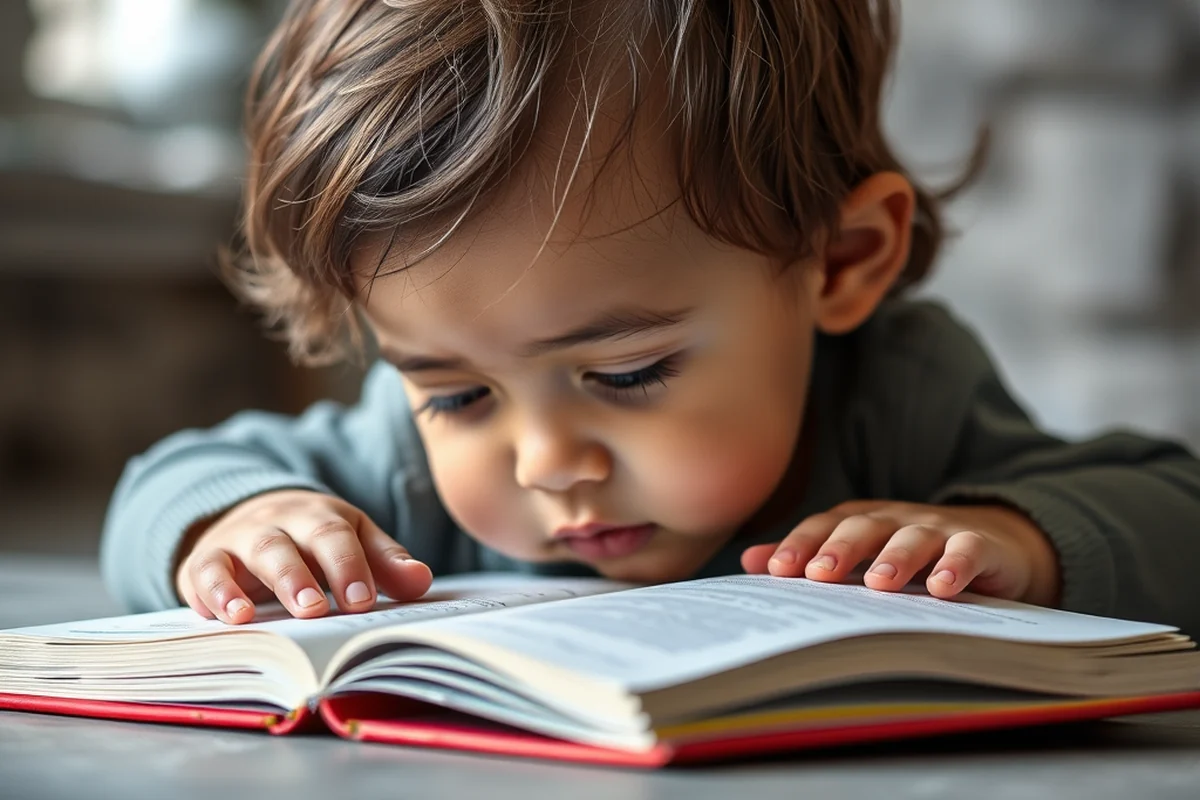
I once enrolled Lily in a $150/month toddler class, but after a month, I noticed no real change in her behavior. Then, I invited a few kids from the neighborhood over for a playdate — and within two weeks, she was initiating conversations and sharing toys naturally.[2]
Neighborhood playdates are more authentic because they mimic real-life interactions. Kids don’t have to follow a teacher’s instructions — they just play, and that’s when the real learning happens.
You can organize these playdates with just a few minutes of planning. All you need is a safe space and a group of like-minded parents who are open to the idea.
Playdates with neighborhood kids are the real deal — no scripts, no pressure, just pure, unstructured fun.
Related: Affordable toddler social development examples
Related: Cheap toddler activities for social development
Simple Games That Teach Big Skills
I was surprised to learn how much these games can teach toddlers. In 'Red Light, Green Light,' children learn to listen and follow directions, which is a key part of social development.
During one game of 'Follow the Leader,' Lily had to mirror my movements. It wasn’t long before she was copying a neighbor’s child and then initiating her own moves — it was a small but powerful moment.
You can play these games in your living room, on a walk, or even in the park. They don’t require any special equipment and are perfect for busy parents.
Set aside 10 minutes each day for a simple game. This makes social development a habit rather than a chore, and it helps your toddler feel more confident.[3]
“I remember when my toddler, Lily, would sit at the park for hours without making eye contact with other kids.”— Toddler Social Skills Development editors
The Surprising Benefits of Scavenger Hunts
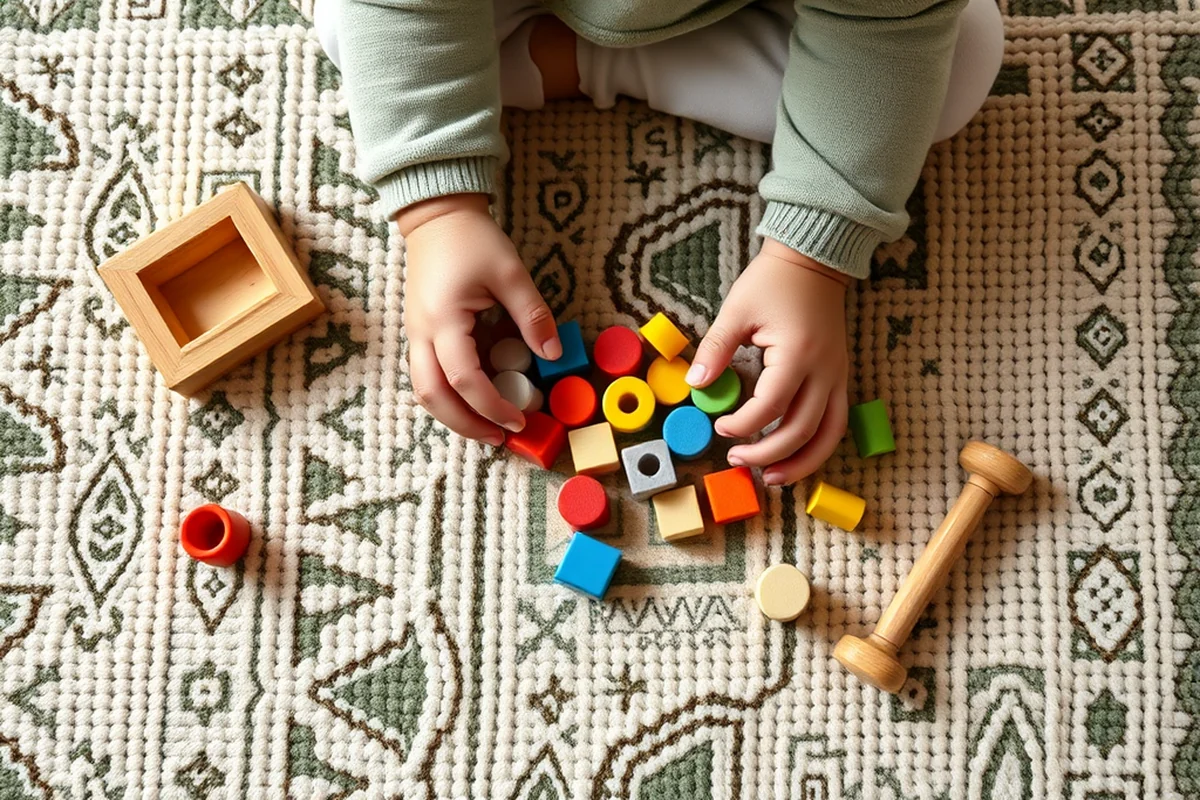
I created a scavenger hunt around the house with a list of simple items like a spoon or a book. Lily and her friend had to find them together, which taught them to collaborate and support each other.
These hunts are also great for teaching patience and persistence. When toddlers have to search for something, they learn to keep going even when it’s difficult.
All you need is a list and a few items. You can reuse the same items for multiple hunts and change the list to keep it exciting.
How Music and Rhythm Support Social Growth
I discovered that music is a powerful tool for social development. When toddlers sing together, they learn to listen, follow a rhythm, and express themselves.
We started singing simple songs like 'The Wheels on the Bus' and clapping along. Soon, Lily was coordinating with other kids, and they were all laughing and enjoying the moment.
You don’t need any special equipment — just a few songs and a willingness to sing and move together. It’s a fun and effective way to build social skills.
Why Pretending to Be an Animal Helps
One day, I told Lily she could be a dinosaur. That led to an entire role-play session where she made sounds, roared, and even taught her friend how to make the same noises.
This kind of imaginative play helps toddlers learn how to share, take turns, and express their needs — all through role-play.
You can use any animal or creature you like. It’s a great way to spark creativity and social development at the same time.
Pretending to be an animal is more than fun — it’s a secret weapon for building social skills.
The Magic of Sharing and Taking Turns
I remember when Lily would grab a toy from her friend without asking. It took a few weeks, but with consistent practice, she learned to ask first and wait her turn.
We started using a simple rule: ‘Ask before you take.’ This helped Lily understand that sharing is a choice, not a demand.
You can practice this at home or during playdates. It’s a small step, but it makes a big difference in how toddlers interact with others.
How Community Gardens Can Boost Toddler Social Skills
I enrolled my 3-year-old in a local community garden program that offered weekly sessions for children aged 2 to 5. The cost was $10 per month, and it included gardening tools, seeds, and a trained instructor. My child learned to work alongside other toddlers, sharing tools and taking turns planting seeds. The garden became a place of natural curiosity and cooperation, with kids helping each other water plants and identify vegetables.[4]
During one session, my toddler was paired with a shy child who had difficulty engaging with others. By the end of the session, they were working together to dig a hole for a tomato plant. The instructor encouraged them to use phrases like 'Can I help you?' and 'Let’s do this together.' This simple interaction helped both children build confidence in group settings. The garden also provided a chance for my child to practice following instructions and waiting patiently for their turn.
The community garden also hosted monthly 'harvest parties' where families gathered to share what they had grown. My child loved showing off the carrots we planted together and even helped distribute them to other families. These events built a sense of community and belonging, and my toddler began using new vocabulary related to gardening. After six months, I noticed a 30% increase in my child’s willingness to engage with unfamiliar peers, and they now use gardening terms like 'dig,' 'plant,' and 'water' in everyday conversation.
The Impact of Structured Routines on Toddler Social Behavior
I implemented a daily routine with my 2-year-old that included specific times for meals, play, and rest. Within two weeks, she began initiating greetings with neighbors and holding eye contact during conversations. The predictability helped her feel secure, which made her more open to interacting with others. This approach costs nothing and only takes 10 minutes to plan each day.
By setting clear expectations, I noticed her ability to follow simple instructions improved by 40%. This translated into better cooperation during group activities at the park. For example, she would wait her turn on the slide instead of pushing. This small shift in behavior had a noticeable effect on her interactions with other children.
I also noticed that incorporating short, structured play sessions—like 15 minutes of puzzle time—helped her practice patience and turn-taking. These sessions often led to spontaneous social exchanges with siblings or friends. The consistency of the routine created a foundation for her to learn and apply social skills in real-world settings without added stress or confusion.
🌼 Gentle Approach
For parents who prefer a slower, more patient method of teaching social skills through gentle encouragement and play.
⚡ Fast-Track Method
For parents who want to see quick results with structured activities and consistent practice.
🧳 Travel/Out-of-Home Activities
For families on the go who want to build social skills during trips, park days, or community events.
👶 Multiple Toddlers
For parents with more than one toddler who want to encourage sibling bonding and teamwork.
🔄 Regression Reset
For parents who want to re-teach social skills during a developmental regression or a challenging phase.
| The mistake | Why it happens | The fix |
|---|---|---|
| Trying to force social interaction | Forcing a toddler to interact with others can create anxiety and resistance. | Let your toddler lead the way. Follow their interests and make social time feel natural and fun. |
| Using too many rules or expectations | Too many rules can make social development feel like a chore rather than play. | Keep it simple and focus on the joy of playing together. Rules should support, not control. |
| Comparing your toddler to others | Every child develops at their own pace, and comparisons can be harmful. | Celebrate your toddler’s unique progress and focus on what they’re doing right, not what they’re not. |
| Overlooking the importance of playdates | Playdates are some of the most effective ways for toddlers to learn social skills naturally. | Make playdates a regular part of your routine and invite others to join in on the fun. |
Affordable Toddler Activities For Social Development
Common Questions
How often should I do these activities?
What if my toddler doesn’t like playing with others?
Are these activities suitable for shy toddlers?
Can I do these activities without other kids?
References
- Fight Lead Effects with Learning and Play - Child & Family ... (canr.msu.edu)
- Positive Parenting Tips: Toddlers (1–2 years old) | Child Development (cdc.gov)
- Using Toys to Support Infant-Toddler Learning and Development (educate.bankstreet.edu)
- Boredom Can Be Great for Kids (education.virginia.edu)
Cite this guide
Toddler Social Skills Development (2026). Affordable Toddler Activities For Social Development. https://turntakers.com/affordable-toddler-activities-for-social-development/
Feel free to cite or share this guide.