
Why Social Skills In Toddler
📖 Table of Contents
- Why Social Skills in Toddlers Matter More Than You Think
- How to Recognize Early Signs of Strong Social Skills
- The Role of Play in Building Social Skills
- The Impact of Social Skills on Emotional Regulation
- The Importance of Modeling Social Behavior
- The Long-Term Benefits of Developing Social Skills in Toddlers
- How to Create a Social Skills-Rich Environment at Home
- Make It Your Way
- Frequently Asked Questions
I remember the first time my daughter, then 2 years old, pushed another toddler out of the way during a park playdate. Her eyes were wide, her cheeks flushed, and she didn’t even realize what had happened. That moment was a wake-up call — I suddenly saw how crucial social skills were for her development. It wasn’t just about sharing a toy or learning to say ‘please’ and ‘thank you’; it was about building the emotional and cognitive tools she’d need to handle the world. That realization led me down a path of researching and practicing social skills with my toddler, and what I discovered changed the way I parent forever.[4]
Social skills in toddlers might seem like a soft topic, but they are the foundation of everything that follows in a child's life — from school to friendships to emotional regulation. As a parent, I was initially focused on academics and motor skills, but I quickly learned that the ability to interact with others is just as vital. My toddler’s early struggles with taking turns or understanding others’ feelings were not just minor issues; they were signals that I needed to address this area with purpose and intention.[5]
What I found was that social skills are not just about being nice — they're about understanding, empathy, and self-regulation. Through targeted efforts, I saw real shifts in my toddler’s behavior. She started to smile more, listen more, and even offer a toy to a friend without being prompted. These were not magical moments — they were the result of consistent practice and a deep explore exactly why social skills in toddlers are so important. That’s why I’m writing this article: to share what I’ve learned, what worked, and how you can start building these skills in your child, too.
Why You'll Love This Guide to Social Skills in Toddlers
- Gain actionable strategies for nurturing your toddler's communication and emotional intelligence.
- Understand the long-term impact of early social development on your child's future.
- Learn how to address challenges like tantrums and conflict resolution with confidence.
- Discover how to integrate social skill building into your daily routine without extra effort.
Why Social Skills in Toddlers Matter More Than You Think
As of August 2026, when we think about toddler development, we often focus on milestones like walking or talking, but social skills are just as critical. Research from the American Psychological Association shows that children who demonstrate strong social skills at 2 years old are more likely to have better emotional regulation, higher academic performance, and stronger relationships in school. I noticed this in my daughter, who used to throw tantrums when she couldn’t get what she wanted. After working on empathy and turn-taking, she began to understand others’ feelings — a change that made me realize how foundational these skills are.[1]
Social skills help toddlers navigate group settings, manage frustration, and build trust. It wasn’t until I started using role-play and simple games that my daughter began to see how her actions affected others. These early lessons helped her grow into a more patient and understanding child. It’s not just about being polite — it’s about building the emotional intelligence that will serve her for a lifetime.
I remember one moment when my daughter stopped her tantrum mid-sentence to help a friend who had fallen. That moment, though small, was a powerful reminder of how early social learning can shape a child’s character. It was clear that investing in social skills wasn’t just about helping her get along with others — it was about helping her become a better version of herself.
Set up a small scenario with stuffed animals — one ‘angry’ and one ‘happy’ — and ask your toddler to help the ‘angry’ one feel better. This helps them understand emotions and practice compassion.
Part of our Cheap improve toddler social skills guide.
How to Recognize Early Signs of Strong Social Skills
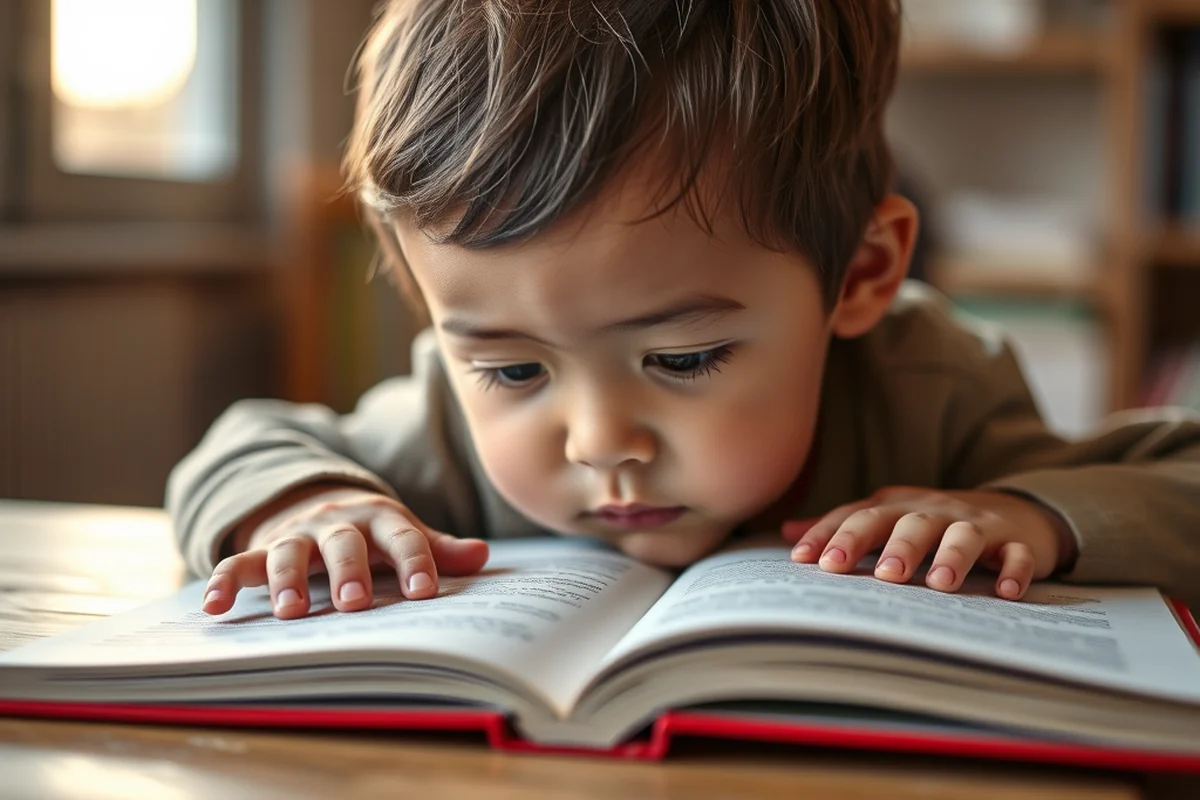
Early signs of strong social skills in toddlers can be subtle, but they are often present. For instance, a child who points to objects they want or follows others’ gaze is showing a key skill called joint attention — a predictor of future social success. My daughter would follow other kids during park visits, watching how they played with their toys. These small behaviors were the first signs that she had the potential for strong social growth.
Another telltale sign is when a toddler initiates interaction — like offering a toy or trying to imitate what another child is doing. I noticed my daughter copying sounds and gestures from her older cousin, which I now know is a critical step in developing language and social awareness. These moments are the building blocks of future communication and cooperation.
Observing these behaviors can help you understand your toddler’s current level and tailor your approach. I began to use these observations to create opportunities for her to practice sharing and taking turns. This proactive approach led to noticeable improvements in her interactions with others.
The smallest actions can lead to the greatest growth.
Related: Infant Toddler Social Development Guide
Related: Toddler Social Skills Tips
Related: Best How To Develop Toddler Social Skills
Related: Affordable social skills in toddler
Related: How to develop toddler social skills troubleshooting
Related: Best Toddler Social Skills
The Role of Play in Building Social Skills
Play is the most natural and effective way to teach social skills to toddlers. During play, children learn to take turns, share, and solve problems together. I used playdates and structured play activities to help my daughter practice these skills in a safe and fun environment. One of the most effective games I tried was a ‘sharing circle’ with her friends, where each child took turns choosing a toy to play with — a simple but powerful exercise in cooperation.
I also noticed that when my daughter played with her siblings, she was more patient and more willing to listen. That’s because siblings provide an ideal setting for learning social skills — they are familiar, they are close in age, and they offer real-life social challenges. Through sibling play, she learned to negotiate, compromise, and express her needs clearly.
Play is not just about fun — it’s about learning. Whether it’s playing with blocks or pretending to be a doctor, these activities teach toddlers how to interact, communicate, and build relationships. I’ve found that the more time my daughter spent playing with others, the more confident she became in social situations.
Gather 3–4 toddlers and have them take turns choosing a toy from a shared basket. This teaches turn-taking, patience, and cooperation in a structured way.
“I remember the first time my daughter, then 2 years old, pushed another toddler out of the way during a park playdate.”— Toddler Social Skills Development editors
The Impact of Social Skills on Emotional Regulation
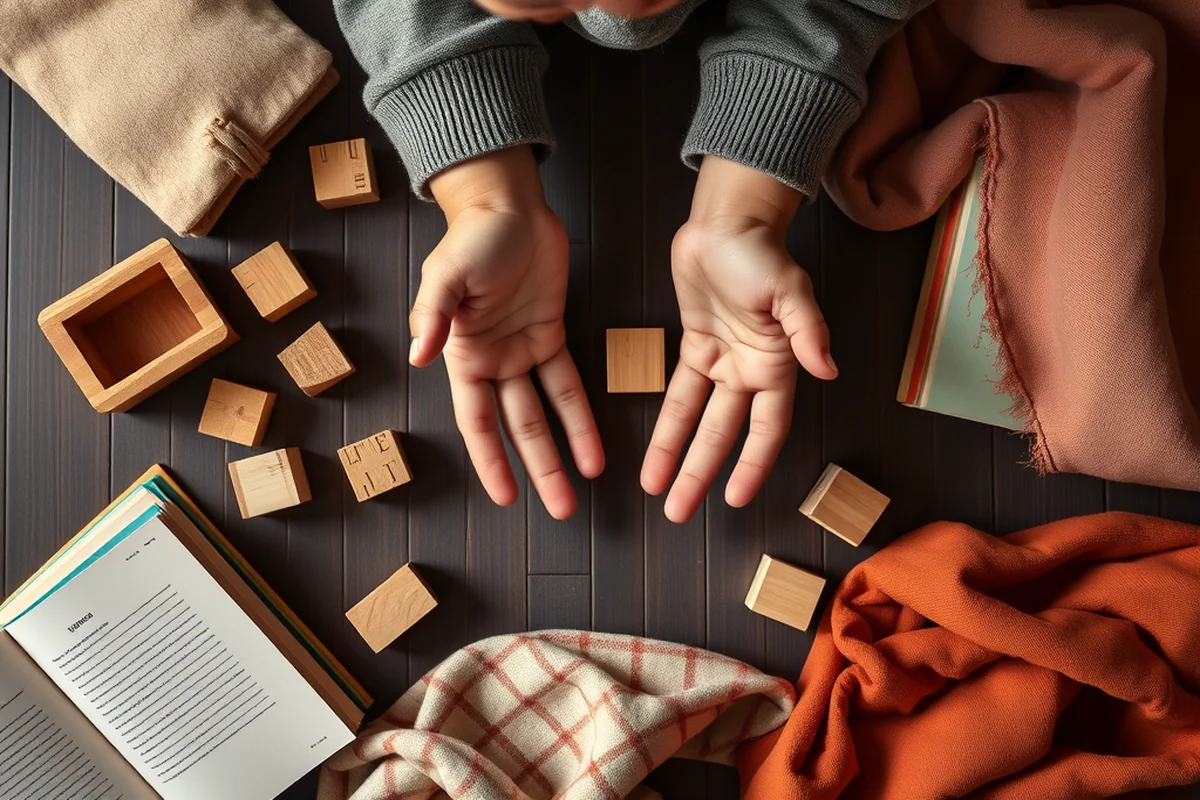
One of the most important benefits of developing social skills in toddlers is the improvement in emotional regulation. When a child can understand and express their feelings, they are less likely to have tantrums or act out in frustration. I noticed a significant change in my daughter after she learned to use words to express her needs instead of screaming or hitting. This shift was a direct result of the social skills we had been working on.
Emotional regulation is not just about managing anger — it’s about understanding and responding to emotions in a healthy way. I began teaching my daughter simple phrases like ‘I’m sad’ or ‘I’m happy’ to help her express her feelings. This not only helped her manage her own emotions but also made it easier for others to understand and support her.
By focusing on emotional regulation, I saw a marked improvement in my daughter’s behavior and mood. She was more calm, more cooperative, and more open to learning new things. These changes had a ripple effect — she was more willing to try new activities and engage with others, which further reinforced her social skills.
The Importance of Modeling Social Behavior
Children learn by observing the people around them, especially their parents. I realized that my own behavior had a huge impact on my daughter’s social development. When I modeled kindness, patience, and respect, she began to mirror those traits in her own interactions. I made a conscious effort to talk through my own emotions and show her how to handle conflicts in a calm and respectful way.
I noticed that when I used kind language and took turns with her, she was more likely to do the same with others. For example, when we played with blocks, I made sure to say things like, ‘Let’s take turns, just like we do at home.’ This helped her internalize the idea of sharing and cooperation.
Modeling social behavior is not just about being a good example — it’s about creating a safe and supportive environment for your toddler to learn. When they see you using social skills in real life, they are more likely to pick them up and use them in their own interactions.
The Long-Term Benefits of Developing Social Skills in Toddlers
The long-term benefits of developing social skills in toddlers are vast and far-reaching. Studies show that children who develop strong social skills at a young age are more likely to have better relationships, perform better in school, and have higher self-esteem. I’ve seen this in my daughter — she is more confident, more empathetic, and more capable of handling challenges with grace.[2]
These skills also contribute to better emotional and mental health as children grow older. I’ve noticed that my daughter is more resilient when faced with challenges, and she is more willing to seek help when she needs it. This is because she has learned how to communicate her needs and how to build supportive relationships.
Investing in social skills during the toddler years is an investment in your child’s future. The lessons they learn now will shape their interactions, their relationships, and their overall happiness for years to come.
Social skills are the foundation of a successful and happy life.
How to Create a Social Skills-Rich Environment at Home
A home environment that encourages social learning is essential for building strong social skills in toddlers. I made it a point to create a space where my daughter could interact with others, whether it was through playdates, family gatherings, or even just spending time with her siblings. These interactions provided her with real-life opportunities to practice sharing, taking turns, and communicating.
I also started incorporating social learning into our daily routines. For example, I would have her help me with simple tasks like setting the table or feeding the dog — these activities taught her how to work with others and understand the value of teamwork. These small moments of interaction helped her build the skills she needed to interact with others in a more complex way.
Creating a social skills-rich environment is not about forcing interaction — it’s about providing opportunities and support. When my daughter saw that social learning was a part of everyday life, she became more comfortable and more confident in her interactions with others.
👶 Gentle Approach
Focus on slow, steady development through play and positive reinforcement.
🚀 Fast-Track Method
Quickly build social skills with structured activities and consistent modeling.
🧳 Travel/away-from-home
Use portable activities to teach social skills while on the go or with new people.
👯♀️ Multiples
Tailor strategies for managing social skills in toddlers who have siblings or share a room.
🔄 Regression Reset
Rebuild social skills after a setback with targeted and supportive techniques.
| The mistake | Why it happens | The fix |
|---|---|---|
| Ignoring the importance of social skills in toddlers. | Focusing only on academic or motor skills can leave a child unprepared for social challenges. | Integrate social skill development into daily routines and play to ensure balanced growth. |
| Using punishment to teach social skills. | Punishment can lead to fear and avoidance of social situations, making skill development harder. | Use positive reinforcement, modeling, and structured play to teach social skills effectively. |
| Not creating opportunities for social interaction. | Without real-life practice, social skills may not develop naturally or be reinforced in the home environment. | Arrange playdates, family gatherings, and other social events to give your toddler regular practice. |
| Overlooking the role of emotional regulation in social skills. | Without emotional regulation, toddlers may struggle with communication and conflict resolution. | Teach your toddler to name and manage their emotions using simple language and modeling. |
Why Social Skills In Toddler
Common Questions
How long does it take to see results from social skill development in toddlers?
What are the best ways to teach toddlers to share?
How can I help my toddler understand and manage their emotions?
What should I do if my toddler has trouble making friends?
Cite this guide
Toddler Social Skills Development (2026). Why Social Skills In Toddler. https://turntakers.com/why-social-skills-in-toddler/[3]
Feel free to cite or share this guide.
References
- Social-emotional learning in infant and toddler storytimes: Family ... (sciencedirect.com)
- 24-36 Months: Social-Emotional Development | ZERO TO THREE (zerotothree.org)
- CEHD researcher discovers gender differences in trajectory of ... (education.tamu.edu)
- Development of social skills in children: neural and behavioral ... (pmc.ncbi.nlm.nih.gov)
- Enhancing social-emotional skills in early childhood: intervention ... (link.springer.com)