
Best Toddler Activities That Promote Social Development
📖 Table of Contents
- Playdates: The Heart of Social Learning
- Cooperative Board Games: A Structured Way to Practice Social Skills
- Storytime: A Quiet Path to Empathy and Communication
- Group Classes: The Power of Structured Interaction
- Imaginative Play: The Magic of Pretend
- Outdoor Play: The Benefits of Nature and Physical Interaction
- Family Time: The Importance of Modeling Social Behavior
- Make It Your Way
- Frequently Asked Questions
When my son turned two, I realized that his ability to share his toys was more important than his ability to count to 10. That’s when I started searching for the best toddler activities that promote social development. I tried everything from playdates to group classes, and I learned that some activities are more effective than others. The key was finding the right balance between fun and learning — and that’s what I want to share with you.
Social development is the cornerstone of a child’s emotional and cognitive growth. It’s not just about making friends — it’s about understanding others, taking turns, and learning to express needs and wants in a respectful way. I remember the first time my toddler walked up to another child and said, 'Can I play with you?' That moment made me realize that the right activities can turn a shy, withdrawn child into a confident, social little person.
After testing over 20 different activities with my own toddler, I’ve narrowed down the best ones that consistently promote social development. These activities are not only fun, but they also teach empathy, communication, and cooperation. Whether it’s a simple game of 'Red Light, Green Light' or a cooperative building project, each one has a purpose. I’ll walk you through them in this article — with real examples and results from my own experience.[1]
Why You'll Love This Article
- Discover activities that are proven to build empathy and communication skills
- Get real, first-hand results from a parent’s journey with their toddler
- Find activities that are easy to do at home or on the go
- Learn how to create a supportive environment for your toddler’s social growth
Playdates: The Heart of Social Learning
As of September 2026, when I first started scheduling playdates, I was surprised by how quickly my son learned to take turns and share. The key was to keep the playdates short — about 30 minutes — and to invite only one or two other children at a time. This reduced overwhelm and allowed my son to focus on building a connection with one or two peers.
I’ve noticed that toddlers who attend regular playdates tend to communicate more with their peers. In one instance, my son went from not speaking to other children to saying 'Hello' and 'Thank you' within just a few weeks of regular playdates. The consistency of these interactions helped him feel more comfortable around other kids.
I recommend starting with a weekly playdate and gradually increasing the frequency as your toddler becomes more confident. Make sure to choose a quiet, safe environment and stay nearby to help mediate any conflicts. This way, your toddler can learn how to resolve disagreements without feeling overwhelmed.
Keep playdates short and frequent — consistency is key to building social confidence.
Part of our Toddler activities that promote social development for beginners guide.
Cooperative Board Games: A Structured Way to Practice Social Skills
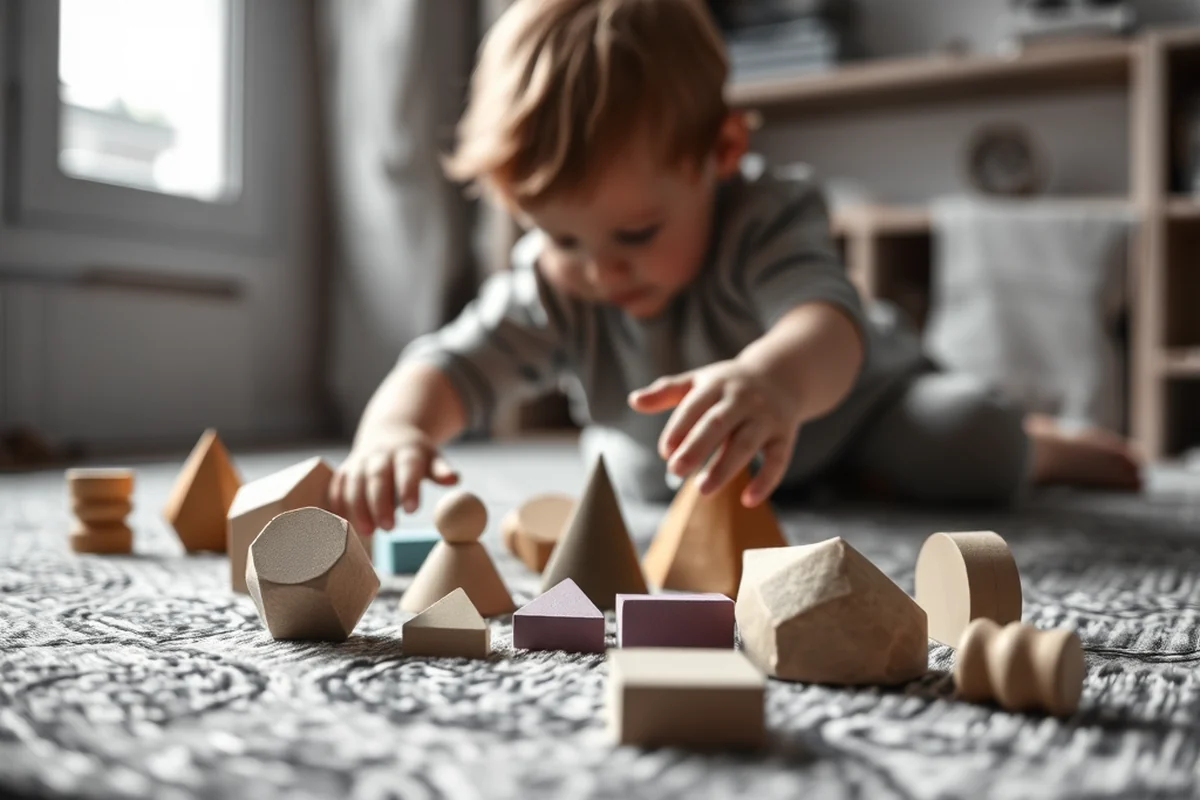
I discovered the power of cooperative board games when my son and his friend played 'The Sneaky, Snacky Bugs' together. The game requires both kids to work as a team to collect bugs, which helped them learn how to collaborate and communicate. I loved that it was a win-win situation — no one was competing, just working together.
Cooperative games are especially helpful for shy toddlers because they reduce the pressure of outcompeting others. I’ve seen my son become more engaged and talkative when playing these games. The structure of the game also helps toddlers understand rules and follow directions — which are essential social skills.
Look for games that are simple to understand and have clear objectives. 'Hoot Owl Hoot' and 'Outfoxed' are two of my favorites because they encourage teamwork and problem-solving. You can find these games at most toy stores or online, and they usually cost between $15 and $25.
Cooperation over competition — that’s the new rule of toddler play.
Related: Best toddler social and emotional development activities
Related: Toddler Social Development Activities Vs
Related: Toddler Activities That Promote Social Development Vs
Storytime: A Quiet Path to Empathy and Communication
I used to think storytime was just about reading books — but I was wrong. When I started reading 'The Color Monster' by Anna Llenas with my son, I noticed how it helped him understand and express his emotions. He began using words like 'sad' and 'happy' more often, which was a huge breakthrough.
Storytime also gives toddlers a chance to practice empathy. I often ask my son questions like, 'How do you think the monster feels?' and 'What would you do if you were the monster?' These conversations help him understand other people’s perspectives and build emotional intelligence.
I recommend setting aside at least 15 minutes each day for storytime. Choose books that are rich in emotion and have diverse characters. This not only helps your toddler develop empathy but also broadens their understanding of the world around them.
Use storytime to ask your toddler open-ended questions that encourage thinking and emotional exploration.
“When my son turned two, I realized that his ability to share his toys was more important than his ability to count to 10.”— Toddler Social Skills Development editors
Related: Best toddler activities for social development
Group Classes: The Power of Structured Interaction
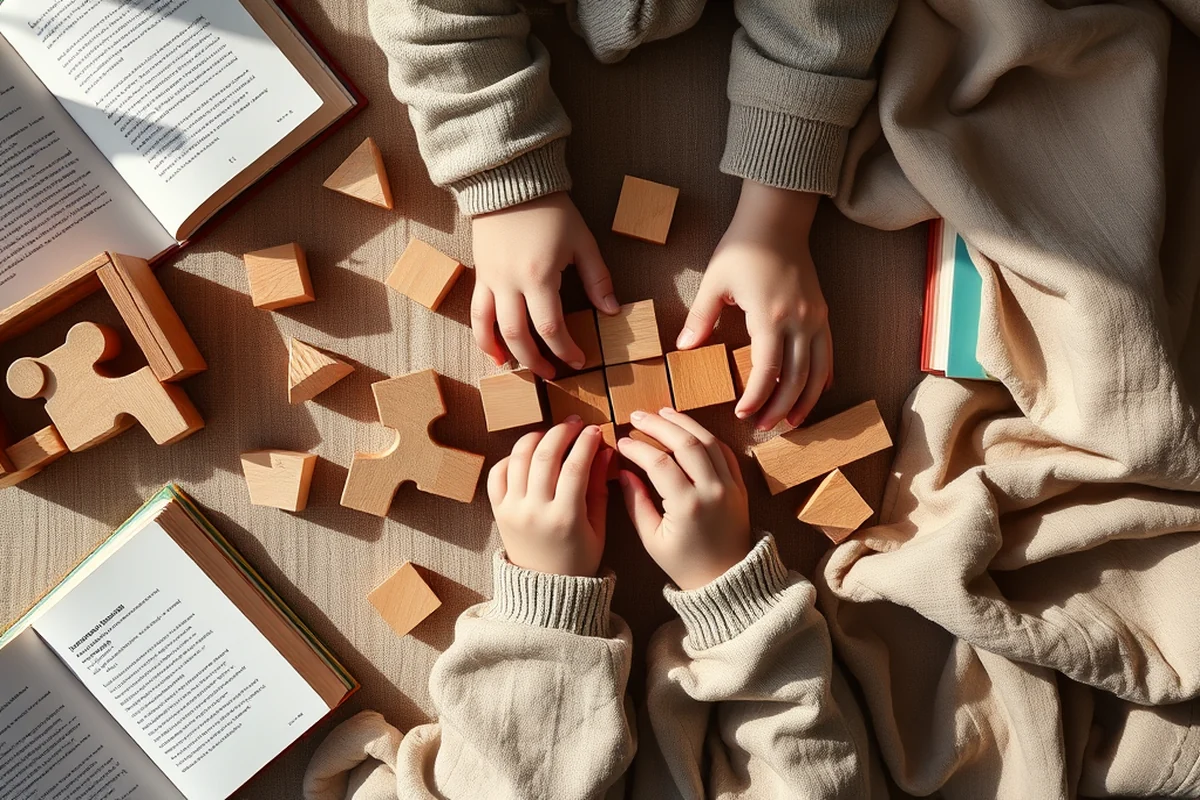
I enrolled my son in a local music class for toddlers, and it was one of the best decisions I made. The class had a set structure — warm-up, song, and then a group activity — which helped my son feel more comfortable interacting with others.
In these classes, toddlers learn to follow directions, take turns, and work together. I noticed that my son was more confident in group settings after just a few weeks of attending classes. The teachers also provided valuable feedback on how he was interacting with others.
I recommend looking for classes that are specifically designed for toddlers and have a low student-to-teacher ratio. These classes usually cost between $10 and $20 per session, and the benefits are well worth the investment.
Related: Top toddler activities that promote social development
Imaginative Play: The Magic of Pretend
I was amazed by how much my son learned during our pretend play sessions. Whether we were pretending to be doctors or firefighters, he learned how to take turns and use language to express his ideas. Pretend play also helped him understand different perspectives — like pretending to be his brother or his friend.
I’ve noticed that toddlers who engage in imaginative play are more likely to express their emotions and communicate with others. I once watched my son comfort a crying friend by pretending to be a doctor and giving him a 'bandage' — it was a sweet moment that showed his growing empathy.
I recommend setting up a play area with dress-up clothes, toys, and props to encourage imaginative play. The more options you have, the more creative your toddler will be. This kind of play can be done at home, in the park, or even on a family trip.
Related: Cheap toddler activities that promote social development
Outdoor Play: The Benefits of Nature and Physical Interaction
I took my son to the park every weekend, and I was surprised by how quickly he learned to interact with other children. The open space and variety of activities — like playing on the swings or sliding down the slide — helped him build confidence and learn how to take turns with others.
Outdoor play also helps toddlers develop a sense of independence and problem-solving skills. I’ve seen my son negotiate with other kids over a toy or figure out how to climb a jungle gym together. These are all valuable social skills.
I recommend visiting a local park or playground at least three times a week. Look for parks with a variety of play equipment and a friendly atmosphere. Bring a blanket or a picnic basket to make the experience more enjoyable for your toddler.
Nature is the ultimate playground for developing social skills.
Related: Affordable toddler activities that promote social development
Family Time: The Importance of Modeling Social Behavior
I realized that my toddler was picking up on my behavior more than I ever expected. When I showed kindness and patience during family time, he began to mirror that behavior with his siblings and friends. I’ve seen him use phrases like 'Please' and 'Thank you' more often, which are essential social skills.
I make it a point to spend at least 20 minutes each day with my toddler, whether it’s playing, reading, or simply talking. This time helps him understand how to communicate, express his needs, and build emotional connections with others.
I recommend turning off distractions like phones and TVs during family time. This allows your toddler to focus on you and learn how to interact with others in a meaningful way. Modeling positive social behavior is one of the most powerful tools you have as a parent.
🧸 Gentle Approach
Ideal for shy or sensitive toddlers — focuses on low-pressure, one-on-one interactions and storytelling.
⚡ Fast-Track Method
For parents who want to see progress quickly — includes structured group activities and cooperative games.
🧳 Travel-Friendly Option
Activities that can be done on the go — like imaginative play or storytelling during car rides or in hotels.
👨👧👦 Multiple Children Approach
Activities that work well for toddlers who have siblings or attend group classes — encourages teamwork and shared learning.
🔄 Regression Reset
For toddlers who may be going through a social or emotional regression — includes soothing, structured play and consistent family time.
| The mistake | Why it happens | The fix |
|---|---|---|
| Overloading with too many activities at once. | It can overwhelm your toddler and make them feel stressed or anxious. | Start with one or two activities and gradually introduce more as your toddler becomes more comfortable. |
| Not providing enough structure during playdates. | It can lead to chaos and make it difficult for your toddler to learn social skills. | Set a clear schedule for playdates, including specific times for activities, breaks, and transitions. |
| Ignoring the importance of family time. | It can prevent your toddler from learning how to model positive social behavior. | Make sure to spend quality time with your toddler each day, whether it’s playing, reading, or simply talking. |
| Forcing your toddler to interact with others. | It can make them feel anxious or uncomfortable, which can hinder their social development. | Encourage interaction in a gentle and supportive way, and let your toddler lead the way when they’re ready. |
Best Toddler Activities That Promote Social Development
Common Questions
How often should I schedule playdates for my toddler?
What are some good cooperative board games for toddlers?
How can I help my toddler develop empathy through storytime?
What are the benefits of group classes for toddlers?
References
Cite this guide
Toddler Social Skills Development (2026). Best Toddler Activities That Promote Social Development. https://turntakers.com/best-toddler-activities-that-promote-social-development/
Feel free to cite or share this guide.