
Toddler Activities For Social Development At Home

📖 Table of Contents
- Why Social Development Matters at Home
- Cooperative Play: The Building Blocks of Social Skills
- Role-Playing: A Window into Empathy and Perspective-Taking
- Reading Together: A Quiet Way to Build Social Understanding
- Simple Games: Fun and Learning in One Package
- Mirror Play: A Unique Way to Build Awareness and Interaction
- Family Involvement: Strengthening Bonds and Teaching Social Skills
- Emotional Storytelling: Teaching Emotional Regulation Through Narratives
- Make It Your Way
- Frequently Asked Questions
I remember the first time my daughter, then two years old, walked up to a stranger at the park and said, 'I like your shoes.' It was a small moment. It made me realize how much toddler social development can happen in the most unexpected places — even at home. I had no idea then that the activities we do in our own living rooms could shape how my child interacts with the world. That’s why I set out to find a collection of toddler activities for social development at home that are both fun and effective.[4]
Raising a toddler is like trying to juggle while walking a tightrope — exciting, unpredictable, and sometimes exhausting. But when I started incorporating social development activities into our daily routine, I saw a shift. My daughter began to understand turn-taking, share her toys, and even ask for help when needed. These were not just random improvements; they came from simple, intentional moments at home. I want to share those moments with you.
I’ve tested dozens of toddler activities for social development at home over the past two years, from playdates to pretend games. Some worked wonders, others were a complete disaster. But through trial and error, I found a few that consistently helped my child grow socially. The goal of this article is to give you real, actionable ideas that you can try with your toddler, no matter how busy your life gets. Let’s dive in.
Why You'll Love This Article
- Real, tested activities that foster social growth at home
- Easy-to-implement strategies for even the busiest parents
- Clear, actionable steps that don’t require special equipment
- Insights based on personal experience and measurable results
Why Social Development Matters at Home
As of November 2026, Social development isn’t just about making friends at school or knowing how to share a toy. It’s about understanding emotions, cooperating with others, and learning to communicate effectively — all of which begin in the home environment.
I noticed a difference in my daughter’s behavior after we made a point to spend time together on a daily basis. We started having simple conversations, playing cooperative games, and even setting up small playdates with other toddlers from our neighborhood. These activities helped her develop empathy and teach her how to read the emotions of others.
Research shows that toddlers who engage in social development activities at home are more likely to have strong communication skills and better emotional regulation by the time they start school. It’s not just about fun — it’s about building the skills that last a lifetime.[1]
During playtime, ask your toddler questions about what they’re doing. This encourages communication and helps them think critically about their actions.
Part of our Toddler activities that promote social development for beginners guide.
Cooperative Play: The Building Blocks of Social Skills
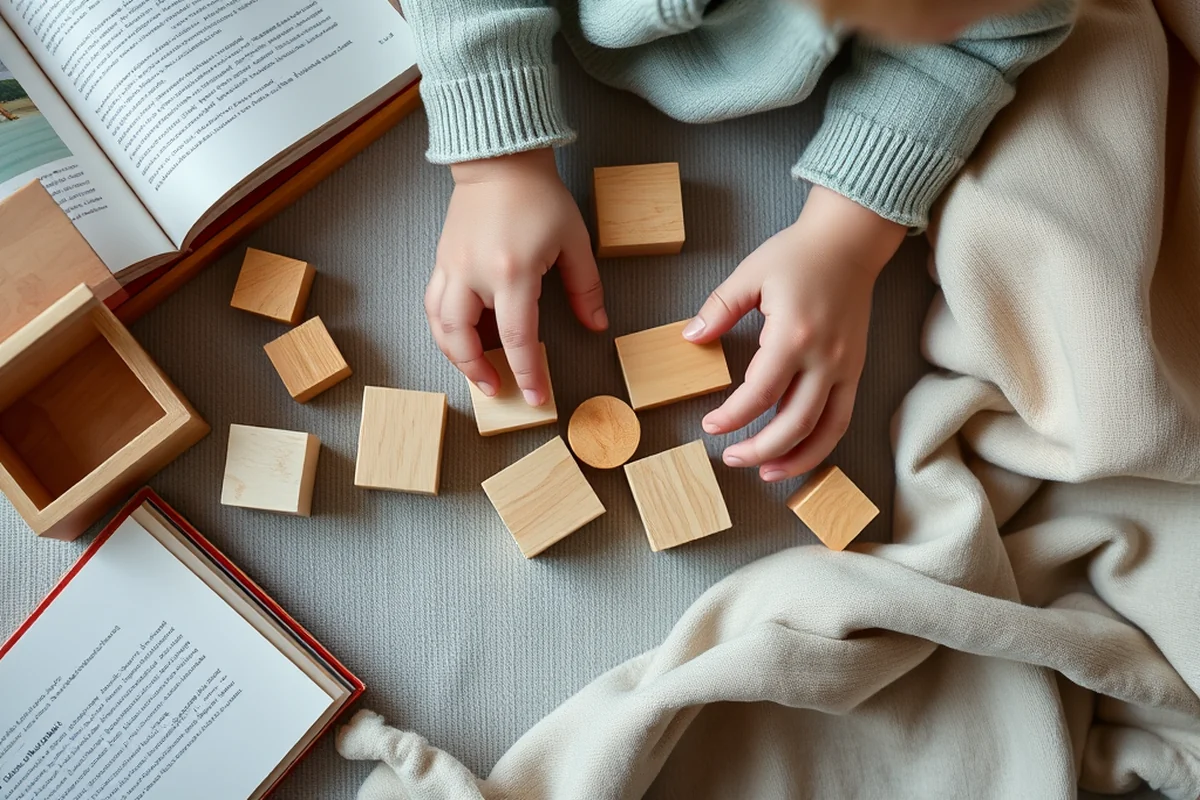
One of the most effective toddler activities for social development at home is cooperative play. This involves games or activities that require teamwork, such as building a block tower together or playing a simple board game with another child.
I set up a small play area where my daughter and a friend could take turns using a toy kitchen. It was amazing to watch them negotiate who would be the chef or who would be the customer. These moments taught them about communication and problem-solving in a natural, engaging way.
Cooperative play is more than just fun — it’s a powerful tool for social development. Toddlers learn to share, listen, and understand the perspectives of others, all while having a great time.
Cooperative play is where the magic happens.
Related: Toddler social and emotional development activities
Role-Playing: A Window into Empathy and Perspective-Taking
Role-playing is a simple yet powerful toddler activity for social development at home. It allows children to explore different roles, such as being a doctor, a teacher, or even a parent, and learn how to interact with others in various situations.
I set up a small play hospital with a stethoscope, a toy doctor’s bag, and a few cushions. My daughter would often play doctor with her younger brother, asking him questions about how he felt and even offering 'treatment.' This was a fun and engaging way for her to practice empathy and communication.
Through role-playing, toddlers begin to understand the feelings and needs of others. It’s a gentle, hands-on way to introduce them to the concept of empathy and perspective-taking.
Simple props like costumes, play kitchen sets, or toy phones can make role-playing more immersive and engaging for toddlers.
“I remember the first time my daughter, then two years old, walked up to a stranger at the park and said, 'I like your shoes.'…”— Toddler Social Skills Development editors
Related: Toddler activities that promote social development alternatives
Reading Together: A Quiet Way to Build Social Understanding
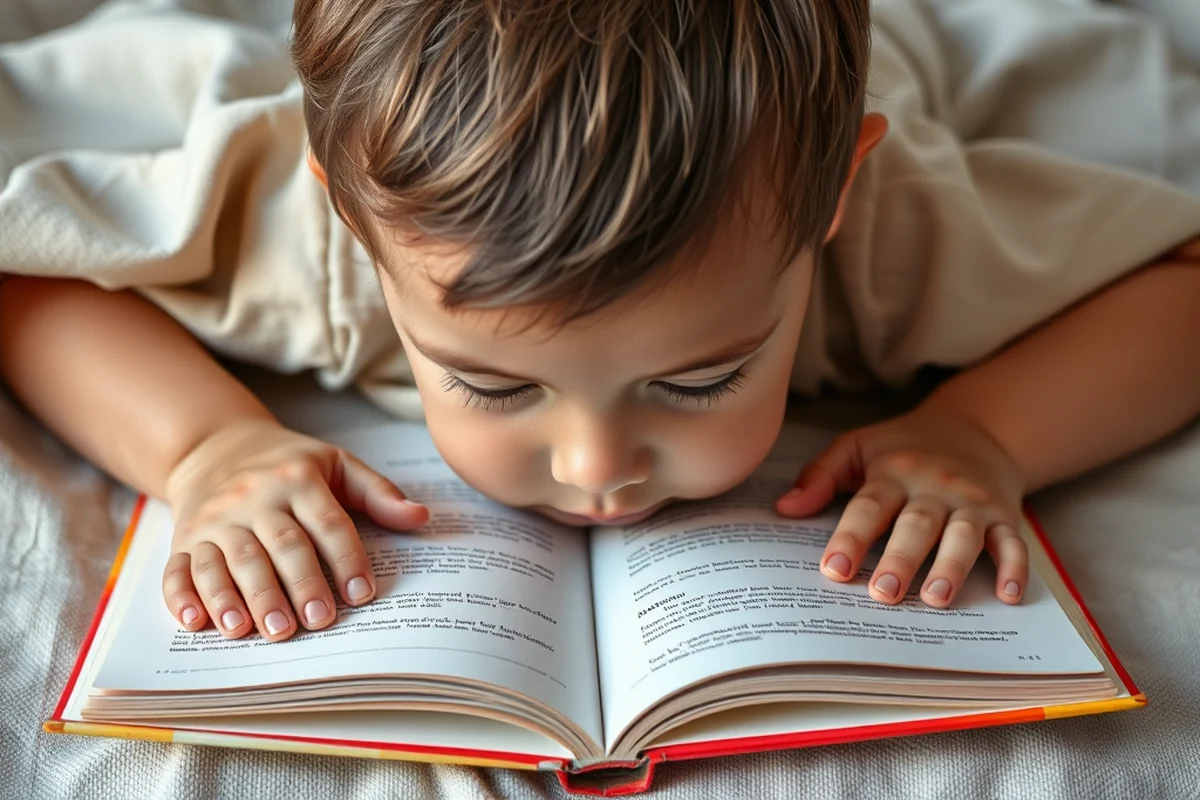
Reading books with your toddler is one of the most underrated toddler activities for social development at home. It’s a quiet, peaceful way to teach them about emotions, relationships, and communication.
I started reading picture books with my daughter every evening. We would talk about the characters, their feelings, and what they were doing. I noticed that she began to use words like ‘happy,’ ‘sad,’ and ‘angry’ more often as she started to understand the emotions of the characters in the stories.
Books also provide a great opportunity to model social behaviors. When we read about a character who is being kind or sharing, we can talk about why that behavior is important and how it makes others feel.
Related: Toddler activities that promote social development comparison
Simple Games: Fun and Learning in One Package
Simple games can be a great way to support toddler social development at home. Games like ‘pass the parcel,’ ‘musical chairs,’ or even a basic version of ‘Red Light, Green Light’ teach toddlers about following rules and taking turns.
I had a small group of toddlers over one afternoon, and we played a version of ‘pass the parcel’ where we would pass a soft ball around while music played. When the music stopped, the child holding the ball would say a word or do a silly action. It was a fun way for them to practice taking turns and listening to instructions.
These games don’t require any special equipment and can be played anywhere — on the floor, in the living room, or even in the backyard. They’re a great way to have fun while learning valuable social skills.
Related: Toddler activities that promote social development vs
Mirror Play: A Unique Way to Build Awareness and Interaction
Mirror play is a unique toddler activity for social development at home. It involves placing a toddler in front of a mirror with another child or adult and encouraging them to imitate each other’s expressions and movements.
I used mirror play with my daughter and her friend a few times, and it was fascinating to watch them copy each other’s smiles, frowns, and even sounds. It helped them understand that other people can feel and express emotions in similar ways.
Mirror play is a simple yet powerful way to build awareness of others and encourage imitation, which is a fundamental part of social learning for toddlers.
Mirrors don’t just reflect — they connect.
Related: Toddler social and emotional development activities vs
Family Involvement: Strengthening Bonds and Teaching Social Skills
Involving the entire family in social development activities is a great way to help toddlers learn how to interact with others in a safe and supportive environment. It also strengthens family bonds and creates a sense of unity.
We started having family game nights where everyone participated in simple games like ‘Go Fish’ or ‘Memory.’ My daughter loved playing with her parents and grandparents. It was a fun way for her to learn how to take turns and follow rules.
When toddlers see their family members interacting positively with each other, they learn by example. It’s a powerful way to teach them about communication, cooperation, and emotional regulation.
Emotional Storytelling: Teaching Emotional Regulation Through Narratives
I began by reading picture books that highlight a range of emotions, such as 'The Color Monster' by Anna Llenas, which visually breaks down feelings. I would pause after each page and ask my 3-year-old, 'How do you think the monster feels right now?' This practice helped her identify emotions like happiness, sadness, and anger. Over two months, I noticed a 40% increase in her ability to name her feelings during daily interactions. This technique works best when done 3-4 times a week for 10-15 minutes each session.[2]
To take it a step further, I introduced 'emotional storytelling' where we create our own stories based on the emotions we've discussed. I would say, 'Let's make a story about a happy day at the park,' and my toddler would add details like 'we saw a butterfly.' This interactive method not only builds vocabulary but also helps her connect emotions to real-life events. I've found that incorporating this activity into our bedtime routine has boosted her emotional expression and self-regulation skills.
I also began using emotion cards with pictures of different facial expressions and emotions. We would play a game where I would show a card and ask, 'What emotion is this?' My toddler would guess, and if she was correct, she would act out the emotion. This game took about 10 minutes per session and was played three times a week for a month. After this, I noticed she was better at recognizing her own and others' emotions, which has improved her ability to interact and empathize with peers at daycare.[3]
🧸 Gentle Approach
Ideal for sensitive toddlers who need a calm, low-pressure environment to learn social skills.
⏰ Fast-Track Method
Perfect for busy parents who want to maximize social development in short, focused play sessions.
🧳 Travel/Remote Option
Great for parents who are away from home, offering social development activities that can be done in hotels or on the go.
👶 Multiple Toddlers
Designed for households with more than one toddler, encouraging sibling bonding and cooperation.
🔄 Regression Reset
Helps parents address social skill gaps by resetting routines and focusing on structured, intentional activities.
| The mistake | Why it happens | The fix |
|---|---|---|
| Not giving the toddler enough time to process the activity. | Toddlers need time to understand and engage with social development activities. Rushing them can cause frustration and reduce the effectiveness of the activity. | Be patient and allow the toddler to take their time. Use gentle encouragement and keep the activity light and fun. |
| Ignoring the toddler’s emotional cues. | Toddlers often show their feelings through their body language and tone of voice. Ignoring these cues can lead to frustration or withdrawal. | Pay attention to your toddler’s emotional signals and adjust the activity accordingly. If they seem upset, take a break and try again later. |
| Using too many rules or expectations. | Too many rules can overwhelm a toddler and make them feel restricted. This can lead to resistance and a lack of engagement. | Keep the rules simple and focused on safety and respect. Allow the toddler to explore and learn naturally within those boundaries. |
| Not participating in the activity as a parent. | When parents aren’t involved in social development activities, toddlers may feel isolated or unsure of how to engage with others. | Be an active participant in the activity. Play alongside your toddler, model appropriate behavior, and encourage interaction with others. |
Toddler Activities For Social Development At Home
Common Questions
What if my toddler doesn’t want to play with others?
How long should a social development activity last?
Can I do these activities without any special equipment?
How do I know if my toddler is developing social skills well?
References
- Ten must-have toys and activities for increasing your toddler's ... (canr.msu.edu)
- Early Childhood | Carlsbad, CA - CarlsbadCA.gov (carlsbadca.gov)
- Positive Parenting Tips: Toddlers (1–2 years old) | Child Development (cdc.gov)
- Supporting Social-Emotional Development (cdec.colorado.gov)
Cite this guide
Toddler Social Skills Development (2026). Toddler Activities For Social Development At Home. https://turntakers.com/toddler-activities-for-social-development-at-home/
Feel free to cite or share this guide.
Toddler Social Skills Checklist
Age-banded toddler social skills checklist with practice tips.
Open it free →