
Toddler Social Skills Group at Home: How to Start and Why It Works

📖 Table of Contents
- What Is a Toddler Social Skills Group at Home?
- Why a Toddler Social Skills Group At Home Works
- How to Start a Toddler Social Skills Group at Home
- The Benefits of a Toddler Social Skills Group At Home
- Setting Ground Rules for a Successful Group
- Tailoring the Group to Your Toddler’s Needs
- The Long-Term Impact of a Home-Based Group
- Make It Your Way
- Frequently Asked Questions
I remember the first time I sat my 2-year-old daughter down at a playgroup, and the way her eyes darted around the room like she was trying to decode a new language. She didn’t know how to share the blocks, and she’d freeze when someone reached for her toy. That moment was a wake-up call for me — I realized that toddler social skills development isn’t just about sending them to a group class; it’s about creating a safe, engaging environment at home where they can practice these skills every day.[1]
Over the next few months, I experimented with different ways to help my daughter learn how to interact with other children. I tried everything from structured playdates with a small group of kids to setting up playdates that felt more like a casual hangout. But it was when I intentionally created a toddler social skills group at home that I saw real progress. It wasn’t just about the activities — it was about the consistency, the structure, and the way I could observe and guide her learning in a setting I controlled.
Now, as a mother of two and someone who has spent years learning about early childhood development, I understand the power of a toddler social skills group at home. It’s not only effective — it’s often more affordable and accessible than traditional classes. Plus, it gives you the opportunity to tailor the experience precisely to your child’s needs and personality. If you’re looking for a way to help your toddler build confidence, learn to share, and develop communication skills, you’re in the right place.
Why You'll Love This Toddler Social Skills Group At Home
- It’s more affordable and flexible than group classes.
- You can customize the activities based on your child’s interests and needs.
- You get real-time feedback on your child’s progress.
- It builds confidence in a safe, familiar environment.
What Is a Toddler Social Skills Group at Home?
As of November 2026, I started my toddler social skills group at home by inviting a few other families over once a week. We met in my living room, and we kept the sessions short — about 45 minutes. It was a small group, with no more than 4 kids, and I made sure there was a mix of boys and girls. We focused on activities that required sharing, turn-taking, and communication.[2]
I found that the most important part of this group was creating a consistent routine. We had set times for games, free play, and even a short story time. This helped my daughter feel secure and know what to expect. She began to recognize the structure and started participating more actively.
One of the first things I noticed was how quickly the children bonded with each other. They were learning from one another, and I could see the way they were picking up on social cues and learning to express their feelings. It was a powerful experience for all of us as parents.
Create a weekly schedule and share it with the other parents. This helps everyone know when and where to meet, and it keeps the sessions consistent for the kids.
Part of our Toddler lacking social skills benefits guide.
Why a Toddler Social Skills Group At Home Works
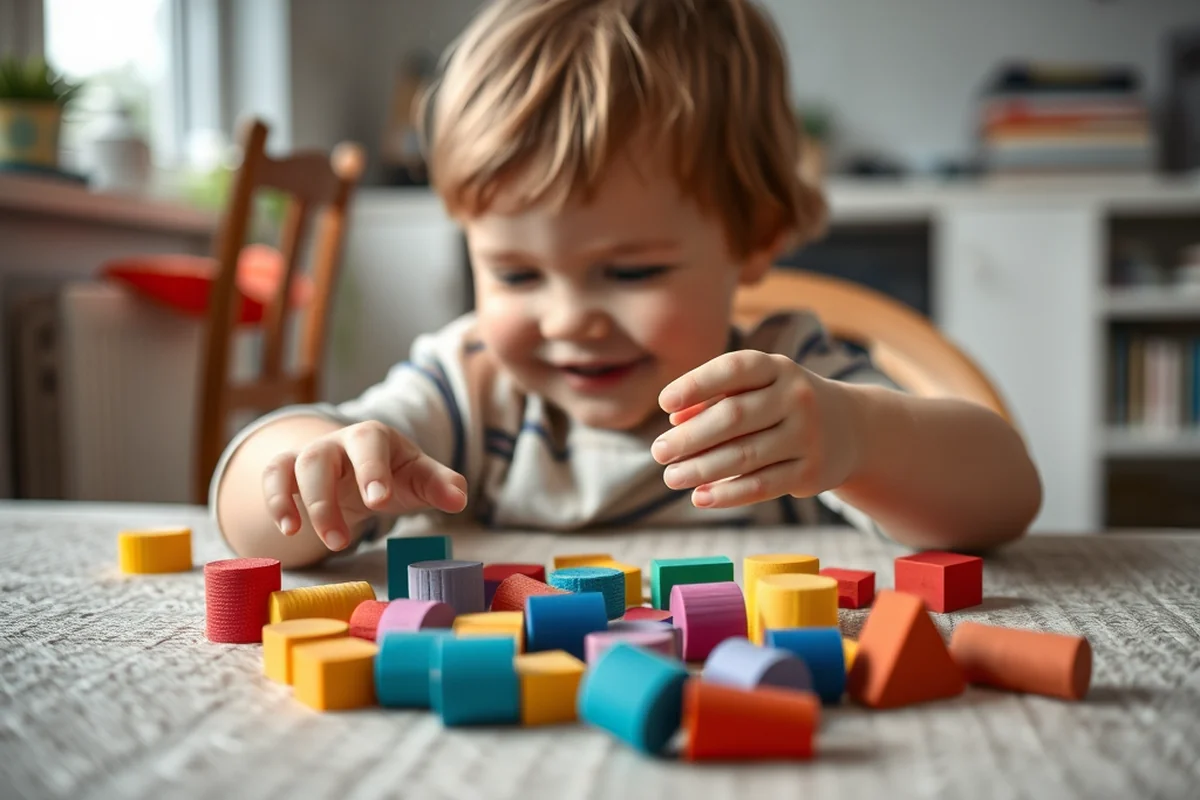
I found that the comfort of being in a familiar place made a huge difference for my daughter. She was more relaxed and able to focus on learning without the distractions of a larger group or the pressure of unfamiliar surroundings.
Also, being in the same room as my daughter during these sessions allowed me to observe how she interacted with others and intervene when necessary. I could encourage her to share or redirect her behavior in a gentle way, which helped her develop better social skills over time.
I also noticed that the flexibility of a home-based group was a big advantage. If we needed to change the schedule or adjust the activities, it was easy to do — no extra costs or complicated logistics.
Consistency is key, but comfort makes it work.
Related: Types of toddler social skills group
How to Start a Toddler Social Skills Group at Home
I began by reaching out to other parents in my neighborhood or through online parenting groups. I asked if they were interested in starting a small toddler social skills group. I made it clear that it wasn’t a formal class — it was more like a casual playdate with a focus on learning.
Next, I set a date and time that worked for everyone. I chose a weekend afternoon, which was a good time for most parents. I also made sure to keep the sessions short — around 45 minutes — to match the attention span of toddlers.
I prepared a few simple activities and games that encouraged interaction and communication. I made sure to include things like building blocks, puzzles, and books that we could read together. It was all about keeping the kids engaged and having fun.
Choose activities that are easy to set up and require minimal preparation. Focus on games that encourage sharing, turn-taking, and communication.
“I remember the first time I sat my 2-year-old daughter down at a playgroup, and the way her eyes darted around the room like she…”— Toddler Social Skills Development editors
Related: Types of social skills for toddler
The Benefits of a Toddler Social Skills Group At Home

One of the biggest benefits I noticed was how my daughter began to take more risks. She started saying 'no' when she didn’t want to share, which she never did before. That was a huge step forward for her self-expression and confidence.
I also saw a noticeable improvement in her communication skills. She started using more words, asking for things, and even beginning to use simple phrases like 'I want to play with you' and 'Can I have a turn?'
The biggest surprise for me was how quickly the other parents began to bond with each other. We formed a support network that we still use today, which made the entire experience even more valuable.
Related: Improve toddler social skills not working
Setting Ground Rules for a Successful Group
One of the first rules I set was that everyone had to stay in the room for the entire session. This helped prevent interruptions and kept the kids focused. I also made it clear that if a child was upset, we would take a short break in a quiet corner to calm down.
Another rule was that we would take turns with the toys. I made sure the kids understood that they couldn’t just grab something from someone else — they had to ask first. This helped teach them about respect and turn-taking.
I also encouraged the parents to be present and involved. It made a big difference in how the kids behaved and how the sessions ran smoothly. It was a team effort, and everyone had a role to play.
Related: Toddler social skills for beginners
Tailoring the Group to Your Toddler’s Needs
I noticed that my daughter loved music, so we started incorporating songs and dances into our sessions. It kept her engaged and made the group more fun for the other kids. We played simple games that involved singing and clapping, which helped her focus and stay calm.
I also adjusted the activities based on how the kids were feeling. If they were tired or overly excited, we’d take a break and do something more relaxing, like reading a story or having a snack.
I found that being flexible and open to change was one of the most important aspects of leading a toddler social skills group. Every child is different, and being able to adapt made the experience much more rewarding for everyone involved.
Be flexible — and the kids will follow.
Related: Types of toddler social emotional skills
The Long-Term Impact of a Home-Based Group
Over time, I saw a noticeable change in my daughter’s behavior. She became more confident in social situations, and she started to interact with other kids outside of our group as well. She was no longer hesitant to play with unfamiliar children or ask for a turn.
She also developed better communication skills, which helped her in school and in other social settings. She learned how to express her needs and feelings in a clear and respectful way.
The biggest benefit for me was the support I gained from the other parents. We created a community that continues to help each other with parenting challenges, which made the experience even more valuable.
🌈 Gentle Approach
A slower, more relaxed group that focuses on emotional expression and calm interaction.
🚀 Fast-Track Method
A structured, time-efficient approach with clear goals and measurable outcomes.
🧳 Travel/away-from-home
A mobile version of the group that can be hosted in different locations or with friends.
👶 Multiples
A group that includes more than one child per family, with activities tailored for siblings.
🔄 Regression Reset
A focused, intensive session designed to help a child regain confidence after a social setback.
| The mistake | Why it happens | The fix |
|---|---|---|
| Not having clear rules or expectations. | Without clear rules, the group can become chaotic and stressful for the kids, making it harder for them to learn social skills. | Set a few simple rules at the beginning and make sure everyone understands them. This helps create a safe and structured environment. |
| Trying to do too many activities in one session. | Too many activities can overwhelm the kids and make it difficult for them to focus on learning social skills. | Choose 2–3 activities per session and keep them simple. This helps the kids stay engaged and learn more effectively. |
| Not being present during the session. | If the parents are not involved, the kids may not feel safe or supported, which can affect their learning and behavior. | Make sure to be present and involved during the session. This helps create a positive environment and gives you the opportunity to guide your child’s learning. |
| Forcing the kids to participate in activities they’re not interested in. | Forcing a child to participate can make them feel anxious and reluctant to join in, which can hinder their social development. | Let the kids choose the activities they enjoy. This helps keep them engaged and makes the experience more fun and rewarding for them. |
Toddler Social Skills Group At Home
Common Questions
How many kids should be in the group?
How long should each session be?
What if one of the kids is too shy or doesn’t want to participate?
What should I do if the group gets too chaotic or out of control?
References
Cite this guide
Toddler Social Skills Development (2026). Toddler Social Skills Group at Home: How to Start and Why It Works. https://turntakers.com/toddler-social-skills-group-at-home/
Feel free to cite or share this guide.
Toddler Social Skills Checklist
Age-banded toddler social skills checklist with practice tips.
Open it free →