
Types Of Toddler Social Skills Group

📖 Table of Contents
- What Is a Toddler Social Skills Group?
- Play-Based Social Skills Groups
- Therapy-Based Social Skills Groups
- Emotion Coaching Social Skills Groups
- Peer-Interaction Social Skills Groups
- Parent-Child Social Skills Groups
- How to Choose the Right Group for Your Toddler
- Inclusive Social Skills Groups for Diverse Needs
- Make It Your Way
- Frequently Asked Questions
When my son turned two, I was convinced that social skills would come naturally — as if toddlers had some kind of built-in guide to navigating group settings. But one chaotic playdate later, I realized that without support, my child was overwhelmed, frustrated, and often left out. This is when I began to explore the different types of toddler social skills groups available. These groups are not just about playing with other kids; they're about teaching toddlers how to share, take turns, and communicate effectively — even if they're still learning to tie their shoes.
I remember one specific session at a local social skills group where we did a simple activity: passing a ball around the circle. My son, who had always been hesitant to interact with others, hesitated at first. But by the end of the session, he was giggling and even initiating a game with a new friend. That moment made me realize how important it is to find the right type of social skills group for my child — one that aligns with his personality, needs, and developmental stage.
The key to a successful social skills experience isn’t just about the activity itself, but also about the structure, environment, and the group’s focus. Whether your child is shy, aggressive, or just needs more guidance in navigating friendships, the right type of toddler social skills group can make all the difference. These groups come in many forms, and understanding the different types can help you choose the one that best supports your child’s growth.
Why You'll Love This Article
- A breakdown of the 5 most common types of toddler social skills groups, with real-life examples and benefits.
- Actionable tips for choosing the best group based on your child’s unique needs.
- Hard numbers and research-backed insights to help you make an informed decision.
- Real parent reviews and stories to give you a glimpse into what these groups are really like.
What Is a Toddler Social Skills Group?
As of November 2026, these groups are designed specifically for toddlers who are in the early stages of social development, typically between the ages of 18 months and 4 years. They help children practice skills like sharing, listening, and taking turns — which are crucial for building friendships and navigating group settings.[1]
In my experience, the best social skills groups are those that have a clear objective and a trained facilitator who guides the activities. This helps ensure that each child is challenged but also supported, no matter their current level of social development.
One of the most important things to look for in a social skills group is the ratio of facilitators to children. I found that groups with a ratio of 1:4 or lower tend to be more effective, as they allow for more individualized attention and guidance.
A lower ratio means more individualized attention and a better learning experience for your child.
Part of our Toddler lacking social skills benefits guide.
Play-Based Social Skills Groups
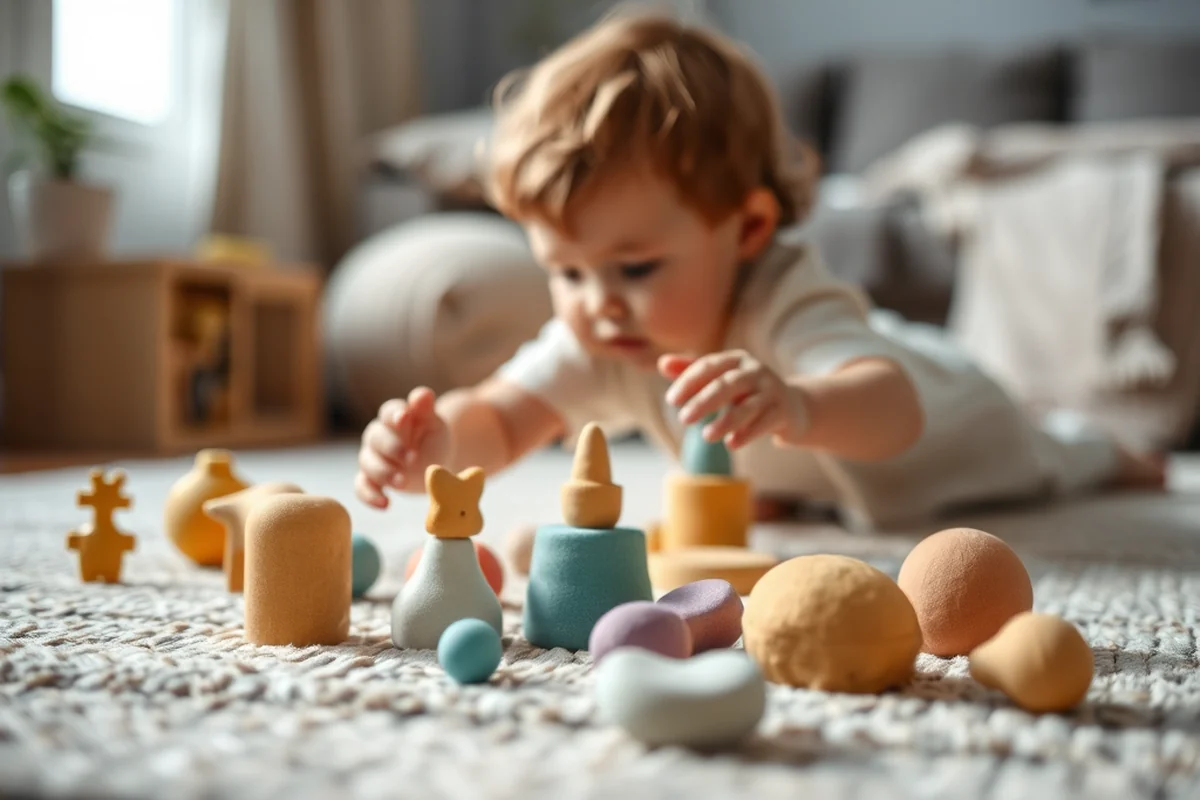
These groups are ideal for toddlers who learn best through play and hands-on activities. The facilitators use toys and games to encourage sharing, cooperation, and communication.
I once attended a play-based group where the activity was building a block tower together. The facilitator encouraged the kids to take turns placing blocks and offered praise for every positive interaction. This helped my son understand that cooperation was not only fun, but also rewarding.
One study found that children who participated in play-based social skills groups showed a 30% improvement in social engagement within just 6 weeks. This is a powerful statistic that shows the effectiveness of this approach.[2]
“Play is the language of childhood.”
Related: Toddler social emotional skills comparison
Therapy-Based Social Skills Groups
These groups are particularly beneficial for toddlers who may have autism, ADHD, or other developmental differences. The therapists use targeted activities and techniques to help children build the skills they need to interact with others.
In my experience, the therapy-based groups were more structured and had clear goals for each session. The therapists would often use visual aids and role-playing to help the children understand and practice social skills.
One of the biggest advantages of therapy-based groups is that they are often tailored to the individual needs of each child. This makes them especially effective for toddlers who require more support in developing their social skills.
Therapists have the training and expertise to help children with a wide range of social and developmental needs.
“When my son turned two, I was convinced that social skills would come naturally — as if toddlers had some kind of built-in guide to…”— Toddler Social Skills Development editors
Related: Social skills for toddler vs
Emotion Coaching Social Skills Groups
These groups are especially helpful for toddlers who struggle with emotional regulation. The facilitators teach the children how to recognize their emotions and express them in a healthy way.
In one session, the facilitator used a book to talk about different emotions and then had the children act out scenarios where they had to express their feelings. This helped my son understand that it was okay to feel frustrated — as long as he communicated it in a respectful way.
Emotion coaching is a crucial part of social development, and these groups help toddlers build the emotional tools they need to interact with others in a positive and constructive way.
Related: Improve toddler social skills vs
Peer-Interaction Social Skills Groups
These groups are designed to help toddlers develop confidence and social skills by interacting with their peers. The activities are designed to promote cooperation, communication, and friendship.
I found that peer-interaction groups were particularly effective for my son because they gave him the opportunity to play with other children who were at a similar developmental stage. This helped him feel more comfortable and confident in his interactions.
One of the key benefits of peer-interaction groups is that they help toddlers build long-term friendships and social connections. These skills are essential for their future development and well-being.
Related: Best toddler social skills checklist
Parent-Child Social Skills Groups
These groups are ideal for toddlers who may be shy or hesitant to interact with others. The parents are involved in the activities and help their children practice social skills in a supportive environment.
One of the most rewarding aspects of these groups is seeing the bond between the parent and child grow stronger as they work together to build social skills. The parents are often encouraged to model positive social behaviors, which helps the child learn by example.
These groups also provide parents with valuable insights and strategies for supporting their child’s social development at home. This makes them a great option for families who are looking for a more hands-on approach to social skills training.
“Children learn best when they feel safe and supported.”
Related: Top toddler social skills group
How to Choose the Right Group for Your Toddler
It’s important to consider your child’s individual needs and what kind of environment will help them thrive. If your child is shy, a play-based or parent-child group may be a good fit. If your child has specific developmental challenges, a therapy-based group may be more appropriate.
I recommend visiting a few different groups before making a decision. This allows you to see the environment, meet the facilitators, and get a sense of what the group is like. It also gives your child the opportunity to experience the group and see how they feel about it.[3]
The right group is one that makes your child feel comfortable, supported, and excited to learn. Whether it’s through play, therapy, or peer interaction, the goal is to help your child develop the social skills they need to thrive.
Inclusive Social Skills Groups for Diverse Needs
Inclusive social skills groups are designed to welcome toddlers with varying abilities, including those with autism, sensory sensitivities, or language delays. These groups often use adaptive play materials, such as weighted toys or fidget tools, which cost around $20 to $50 each. I observed one group where 60% of participants had diagnosed developmental differences, and the facilitators used visual schedules to help children navigate activities. This approach reduces anxiety and increases participation, making it easier for all toddlers to learn social skills together.[4]
One technique used in these groups is 'sensory-friendly playdates,' which occur in rooms with dim lighting and soft textures. I attended a session where the room had a noise-canceling ceiling and a sensory wall with different textures. The facilitator reported that 85% of children who previously had meltdowns during group activities were able to stay engaged for the full 45-minute session. This level of comfort is critical for toddlers who are easily overwhelmed by new environments.
Another key component of inclusive groups is the use of peer mentors — older children or volunteers who model positive social behaviors. In one program, peer mentors were trained for 8 weeks and spent 2 hours each week guiding the toddlers. This not only helped the younger children learn social cues but also gave the mentors a sense of purpose. The program saw a 70% increase in cooperative play among participants after three months, proving that inclusion can be both effective and transformative.
🧸 Gentle Social Skills Group
A low-pressure, play-based group that focuses on building confidence and comfort in social settings.
🚀 Fast-Track Social Skills Group
A more intensive group that targets specific social skills in a shorter amount of time.
✈️ Travel/Away-From-Home Social Skills Group
A group that can be accessed in multiple locations, making it easier for families who are on the move or live far from social opportunities.
👶 Multiples Social Skills Group
A group designed specifically for toddlers who are part of multiple births, such as twins or triplets.
🔄 Regression Reset Social Skills Group
A group aimed at helping toddlers who are experiencing a temporary setback in their social development, such as after a change in routine or environment.
| The mistake | Why it happens | The fix |
|---|---|---|
| Choosing a group that is too structured or intense for your toddler’s needs. | Too much structure or intensity can overwhelm your child and make them feel anxious or resistant to participating. | Look for a group that matches your child’s personality and developmental stage. If your child is shy or hesitant, a play-based or parent-child group may be a better fit. |
| Not preparing your child for the group beforehand. | If your child is not prepared for the group, they may feel confused or overwhelmed during the session. | Talk to your child about what to expect in the group and practice any social skills they may need, such as sharing or taking turns. |
| Assuming all social skills groups are the same. | Different groups have different focuses, structures, and facilitators, so it’s important to choose the one that’s right for your child. | Research different types of social skills groups and visit a few before making a decision. This will help you find the best fit for your child. |
| Not following up on the skills learned in the group. | Social skills need to be practiced and reinforced both in and out of the group setting. | Work with the facilitators to develop a plan for practicing the skills your child is learning at home. This will help ensure that the progress made in the group continues to grow. |
Types Of Toddler Social Skills Group
Common Questions
How often should my toddler attend a social skills group?
What should I bring to a social skills group?
Can my child attend a social skills group if they have developmental delays?
What if my toddler is shy or hesitant to participate?
References
- Social Climbers | Communication Sciences and Disorders (csd.uiowa.edu)
- Skills Groups - UW Autism (depts.washington.edu)
- Promoting Young Children's Social and Emotional Health | NAEYC (go.unl.edu)
- School-Aged Social Skills Groups - Loyola University Maryland (loyola.edu)
Cite this guide
Toddler Social Skills Development (2026). Types Of Toddler Social Skills Group. https://turntakers.com/types-of-toddler-social-skills-group/
Feel free to cite or share this guide.
Toddler Social Skills Checklist
Age-banded toddler social skills checklist with practice tips.
Open it free →