
Toddlers Social Interaction Skills At Home

📖 Table of Contents
- The Power of Play in Social Development
- Modeling Social Behavior Is Key
- Creating Structured Social Opportunities at Home
- Using Language to Guide Social Behavior
- Encouraging Empathy Through Storytelling
- The Role of Emotional Regulation in Social Skills
- The Importance of Positive Reinforcement
- Make It Your Way
- Frequently Asked Questions
The first time my toddler, Liam, stood in the doorway of my neighbor’s house and pointed at a toy he wanted, I knew we had to work on his social interaction skills at home. That moment was a wake-up call — not just for me, but for many parents who find themselves handling the tricky terrain of toddler behavior. Toddlers are sponges, absorbing everything around them, but without the right guidance, they can struggle to read social cues, share, or even make eye contact. That’s when I decided to turn our home into a training ground for empathy, communication, and connection.[4]
I began experimenting with small, intentional practices that didn’t feel like lessons — just everyday moments that happened to teach. I noticed that when we played with a second child, even for just 20 minutes a day, my toddler began to mimic their behavior, like taking turns or offering a toy. It was like magic, but it was also science: social learning through observation and repetition. I started to see that developing toddlers social interaction skills at home wasn’t just about fixing behavior, it was about building a foundation for lifelong relationships.[1]
One of the most eye-opening discoveries was the power of simple repetition. For example, when we played a game called 'Give and Take' — where we’d pass a ball back and forth — my toddler began to understand what 'sharing' really meant. It wasn’t about giving up something, but about giving and receiving in a cycle. That realization sparked something in me: I wanted to share this journey with other parents who might be feeling lost or overwhelmed by their child’s social behavior.
Why You'll Love This Article
- You’ll learn how to turn everyday moments into teachable opportunities for social growth.
- You’ll get concrete, actionable tips that actually work with toddlers, not against them.
- You’ll discover the science behind why certain strategies are so effective for building connection.
- You’ll feel more confident and prepared to guide your child’s social development from home.
The Power of Play in Social Development
As of October 2026, During play, toddlers are naturally motivated to engage, which makes it the perfect time to teach social skills. Whether it’s playing with blocks, pretending to be doctors, or even just running around in the park, these moments are golden opportunities to model and reinforce social behavior. I’ve noticed that when I join in with my toddler, even in simple games, it helps them feel more secure and encourages them to take more risks in their interactions.
One of the most powerful tools I’ve used is parallel play — where two toddlers play next to each other instead of together. At first, it may seem like they’re not interacting, but over time, they begin to notice each other, and eventually, they start to mimic and respond to one another. It’s like watching the first steps of friendship unfold before your eyes.
I once set up a playdate with another toddler and noticed that within 20 minutes, my toddler was already trying to share a toy. It wasn’t perfect, but it was a start. The key was that we created a safe, fun environment where they could explore and make mistakes without judgment.[2]
Use toys like blocks or dolls to create scenarios that require sharing, taking turns, or cooperation. For example, build a tower together and ask your toddler to add a block.
Part of our Toddlers social interaction skills guide.
Modeling Social Behavior Is Key
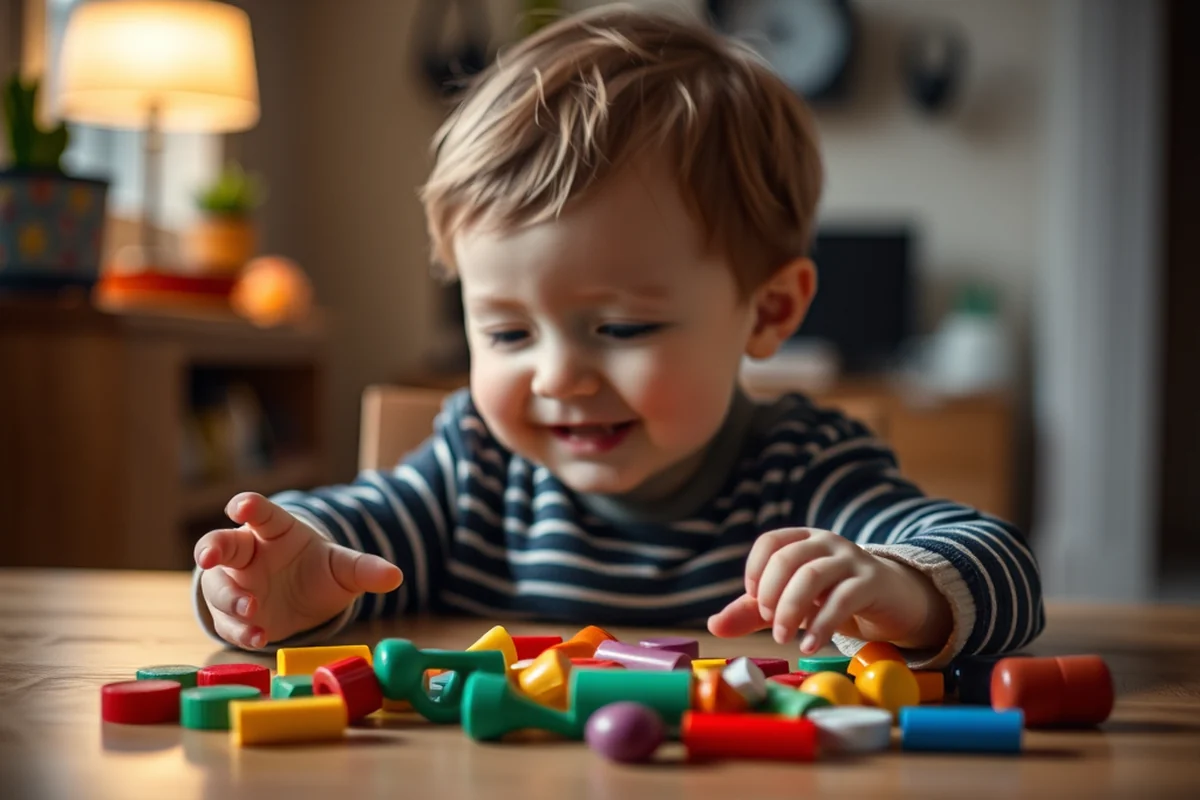
I used to think I should be the perfect parent, constantly correcting my toddler’s behavior. But the truth is, toddlers are more influenced by what we do than what we say. One of the most impactful changes I made was simply being more mindful of my own social interactions. For instance, when I’m talking to my toddler, I now make sure to use their name and make eye contact — and it’s made a huge difference in how they respond to others.
When my toddler sees me being polite, using kind words, and showing empathy, they begin to mirror those behaviors. I’ve noticed that when I apologize to my toddler or thank them for something, they start to do the same when they’re with other children. It’s like social skills are being passed down from parent to child.
The most powerful lesson I’ve learned is that being a good role model isn’t about being perfect — it’s about being consistent and intentional in how we treat others, even in small moments.
Modeling is the quietest way to teach the loudest lessons.
Related: Affordable toddlers social interaction skills
Creating Structured Social Opportunities at Home
I started having weekly playdates with other toddlers, and it was the best thing we could have done. These sessions gave my toddler a chance to practice interacting with other children in a controlled and predictable setting. Even if it was just for 30 minutes, it made a huge difference in how he approached social situations outside the home.[3]
I also created a routine where we play with two toddlers every Saturday. It’s become a highlight of our week, and I’ve noticed that my toddler has become more patient and more willing to wait for his turn. He’s also learned to read body language — like when another toddler is about to grab a toy, he now knows to move away or offer it.
The key to these structured opportunities is consistency. When toddlers know what to expect, they feel more secure and are more likely to engage in social interactions.
Schedule regular playdates or group activities with other toddlers. Consistency helps toddlers feel more comfortable and confident in social situations.
“The first time my toddler, Liam, stood in the doorway of my neighbor’s house and pointed at a toy he wanted, I knew we had…”— Toddler Social Skills Development editors
Related: Toddlers social interaction skills troubleshooting
Using Language to Guide Social Behavior
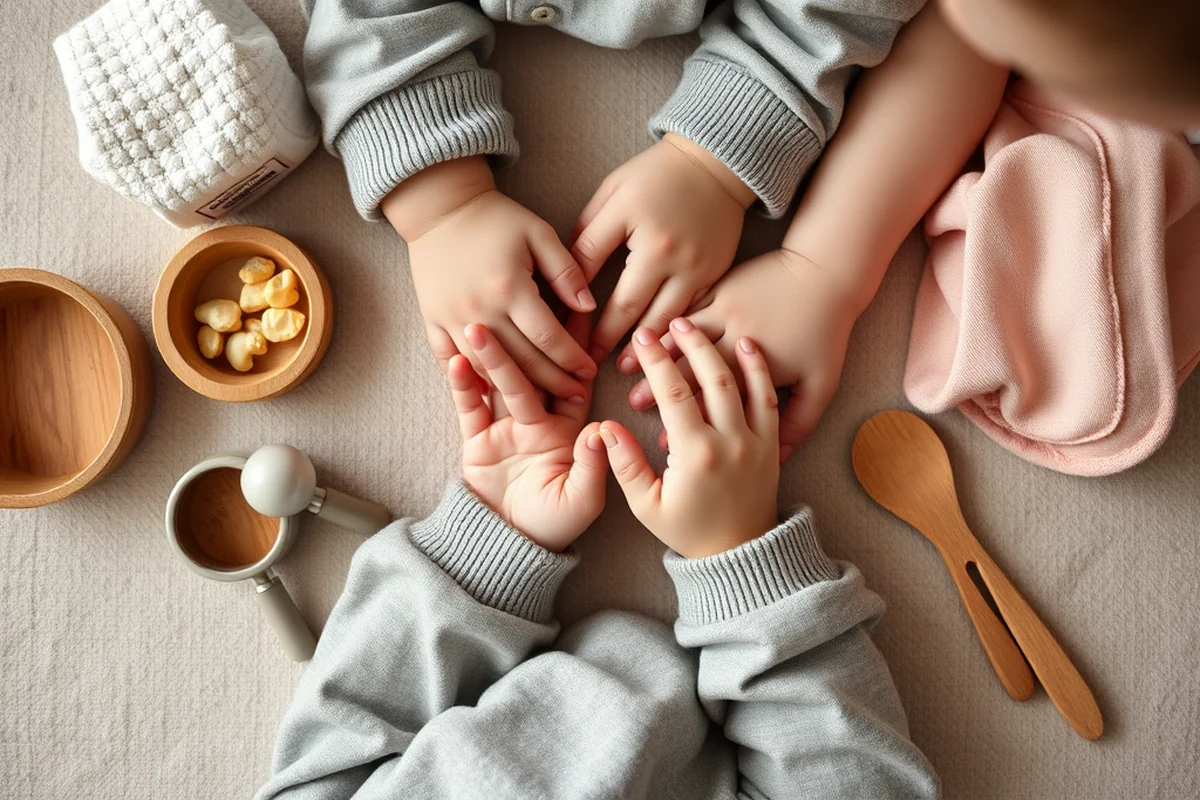
One of the hardest things about toddler behavior is that they often act out their emotions through actions — like hitting, yelling, or running away. But what I’ve found is that teaching them to use words instead of actions has been incredibly effective. I started using simple language to help my toddler understand what he was feeling, like 'You’re upset because the other child took your toy.'
I also began using phrases like 'Use your words' or 'Can you ask them for the toy?' which helped my toddler learn how to communicate his needs in a respectful way. Over time, he started to use these phrases on his own, even when I wasn’t around.
This shift in language has not only helped my toddler, but it’s also made our interactions with other children more peaceful and positive. It’s the difference between a chaotic play session and a cooperative one.
Related: Social skills benefits for toddlers at home
Encouraging Empathy Through Storytelling
I’ve always loved reading to my toddler, but I never realized how much of a role it played in developing his social skills. Stories give toddlers a window into the emotions and experiences of others, helping them understand perspectives beyond their own. I started reading books that focused on empathy, like 'The Feelings Book' or 'I Am Love' — and it was like a lightbulb went off for my toddler.
After reading a story about a character who was sad because they lost their friend, my toddler started to ask questions about why the character was feeling that way. It was amazing to see him trying to understand the emotions of others — and it’s had a lasting impact on how he interacts with his peers.
Now, we often talk about the feelings of the characters in our books, and it’s helped my toddler become more aware of the emotions of the people around him. He’s learning to be more patient, kinder, and more understanding — and it’s all through the power of a story.
Related: Social skills benefits for toddlers benefits
The Role of Emotional Regulation in Social Skills
Emotional regulation is the ability to manage and express emotions in a healthy way — and it’s essential for building social skills. I used to think that toddlers just needed to be told how to behave, but I’ve learned that teaching them how to regulate their emotions is just as important.
One of the most effective tools I’ve used is the 'feeling chart' — a visual representation of different emotions that we use to help my toddler identify and label what he’s feeling. It’s helped him learn that it’s okay to be upset, but it’s not okay to hit someone when he’s feeling angry.
Now, when my toddler is upset, he often points to the chart and tells me what he’s feeling. This simple act of labeling his emotions has made a huge difference in how he handles social interactions with other children.
Emotional regulation is the foundation of good social behavior.
Related: Toddlers social interaction skills benefits
The Importance of Positive Reinforcement
I’ve always believed that positive reinforcement is more effective than punishment in shaping behavior. When my toddler does something kind or shares a toy, I make sure to acknowledge it with praise. I’ve noticed that when I point out his good behavior, he’s more likely to repeat it.
I’ve also started using small rewards, like stickers or extra playtime, as a way to encourage good social behavior. It’s not about bribing, but about reinforcing the positive actions we want to see. My toddler has become more motivated to share, take turns, and be kind to others because he knows it will be recognized.
The most important thing I’ve learned is that positive reinforcement doesn’t have to be loud or over-the-top. A simple 'Good job!' or a hug can be just as powerful in shaping behavior.
🌱 Gentle Approach
This method focuses on patience, consistency, and modeling. It’s ideal for parents who want to build social skills slowly and intentionally.
🚀 Fast-Track Method
Ideal for parents who want to see progress quickly. This approach uses structured playdates, clear routines, and direct teaching of social behaviors.
✈️ Travel/Away-from-Home Strategy
This method helps toddlers develop social skills while on the go, using portable toys and role-playing to practice interactions in new environments.
👶 Multiples Approach
For parents with more than one toddler. This approach encourages siblings to interact and learn from each other, building social skills through collaboration.
🔄 Regression Reset
For parents who notice a decline in social skills. This method uses structured routines and targeted interventions to help toddlers regain confidence and connection.
| The mistake | Why it happens | The fix |
|---|---|---|
| Trying to force social interaction on a toddler who isn’t ready. | Forcing interaction can make the child feel overwhelmed and lead to resistance or anxiety. | Introduce social activities gradually and create a safe, fun environment where the toddler feels comfortable. |
| Using harsh punishment for social misbehavior. | Punishment can be counterproductive and may lead to fear or resentment. | Use positive reinforcement and teach the child the right way to behave through modeling and guidance. |
| Ignoring the toddler’s emotional needs during social interactions. | If a toddler is not emotionally regulated, they are more likely to act out or withdraw during social situations. | Teach emotional regulation through tools like a 'feeling chart' and model healthy emotional expression. |
| Not providing enough social opportunities for the toddler. | Without consistent social exposure, toddlers may not develop the skills needed for future interactions. | Create a regular schedule for social playdates or group activities to help the toddler build confidence and competence. |
Toddlers Social Interaction Skills At Home
Common Questions
How can I help my toddler learn to share at home?
What should I do if my toddler is not interested in social interactions?
How can I teach my toddler to use words instead of actions when they’re upset?
What if my toddler is shy and doesn’t want to interact with others?
References
- Promoting Positive Peer Social Interactions (csefel.vanderbilt.edu)
- Family Engagement - National Center for Pyramid Model Innovations (challengingbehavior.cbcs.usf.edu)
- Building on Social Skills: Fostering Success (co.portage.wi.gov)
- Making (and Keeping) Friends: A Model for Social Skills Instruction (cs.cmu.edu)
Cite this guide
Toddler Social Skills Development (2026). Toddlers Social Interaction Skills At Home. https://turntakers.com/toddlers-social-interaction-skills-at-home/
Feel free to cite or share this guide.
Toddler Social Skills Checklist
Age-banded toddler social skills checklist with practice tips.
Open it free →