
Toddler Social Emotional Skills Checklist

📖 Table of Contents
When my son turned two, I noticed he’d start crying when other kids walked by, even if they weren’t interacting with him. It was confusing — he was bright, curious, and loved to explore, but social situations left him anxious. I didn’t know what to do, and I felt like every parent I knew had some secret trick to make toddler social emotional skills development feel easy. What I didn’t realize was that I was missing a key tool: a toddler social emotional skills checklist. It’s not a magic wand, but it’s a concrete, step-by-step guide that helps parents like me see where we’re succeeding and where we need to focus.
I started using a checklist that covered everything from how my son handled sharing toys to how he responded when someone else got upset. Within a few weeks, I noticed he was more confident, and even started initiating play with other kids. The checklist gave me a tangible way to track progress without feeling overwhelmed. It wasn’t just about checking boxes — it was about understanding his emotional landscape and learning how to support him in a way that felt meaningful.[1]
What I learned was that toddler social emotional skills development isn’t a one-size-fits-all journey. Each child has their own pace and unique needs. The checklist helped me tailor my approach, making it easier to stay consistent and responsive. Now, I see it as an essential part of parenting — not a chore, but a roadmap that guides me through the messy, beautiful work of helping a child learn to handle the world.
Why You'll Love This Checklist
- It provides a clear, structured way to track your child’s social emotional growth over time.
- It helps identify specific areas where your child may need extra support or encouragement.
- It empowers you with actionable strategies that you can apply at home, in daycare, or during playdates.
- It fosters a deeper understanding of your child’s emotional world and how to nurture it.
What Is a Toddler Social Emotional Skills Checklist?
As of October 2026, a toddler social emotional skills checklist is a practical, organized guide that helps parents observe and support their child’s emotional growth. It includes specific behaviors like how a child reacts to frustration, how they handle sharing, and how they comfort others. I created a version of this checklist after realizing I couldn’t keep track of all the small changes in my son’s behavior on my own. It helped me notice patterns I had previously overlooked.
The checklist isn’t about diagnosing or labeling your child — it’s about gathering information. I used a version that listed behaviors like 'shows empathy when another child is upset' and 'uses words to express feelings instead of hitting.' This allowed me to see when my son was making progress and where he needed more support. It was a way to measure growth without the pressure of perfection.
I recommend starting with a checklist that includes 10 to 15 key behaviors. This makes it manageable and avoids overwhelming parents. I found that using a checklist for a few weeks gave me a clear picture of my son’s emotional development, and helped me focus on the areas that needed the most attention.[2]
Choose 10 behaviors that matter most to you, like sharing, empathy, or self-regulation, and track them daily.
Part of our Toddler lacking social skills benefits guide.
How to Use the Checklist Effectively

The first step is to choose the right behaviors to track. I focused on ones that were relevant to my son’s daily life, like how he handled separation anxiety, his ability to wait for his turn, and his willingness to apologize. I found that tracking these behaviors over a few weeks gave me a clearer picture of his emotional maturity.
I made it a habit to review the checklist each evening while my son was asleep. This helped me avoid bias and ensure that I was looking at the data objectively. I also made a point to not compare my child to others — the checklist was a way to see his unique journey, not to measure up to some idealized standard.
It was important to stay flexible. If I noticed that a behavior wasn’t improving, I adjusted my approach. Sometimes, that meant changing the environment or trying a new strategy. The checklist wasn’t a rigid rulebook — it was a tool that helped me make better decisions.
Consistency and observation are key — the checklist works best when used daily.
Related: Toddler social skills group alternatives
Tracking Emotional Triggers
One of the most valuable aspects of the checklist is how it helps identify emotional triggers. I noticed that my son became extremely upset when other children took his toys, but he handled separation anxiety much better. This helped me understand that his emotional triggers were specific and manageable.
I started noting these triggers in the checklist and looked for patterns. For example, I saw that he was more likely to tantrum when he was tired or overstimulated. This insight allowed me to adjust our routines and create a more supportive environment.
Tracking emotional triggers also helped me recognize when my son was beginning to regulate his emotions. By the time he turned three, he was able to recognize when he was getting upset and ask for help, which was a huge milestone.
Keep a running list of situations that trigger your child’s emotions — this helps you anticipate and prepare for them.
“When my son turned two, I noticed he’d start crying when other kids walked by, even if they weren’t interacting with him.”— Toddler Social Skills Development editors
Related: Toddler social skills checklist comparison
Using the Checklist at Home and in Daycare
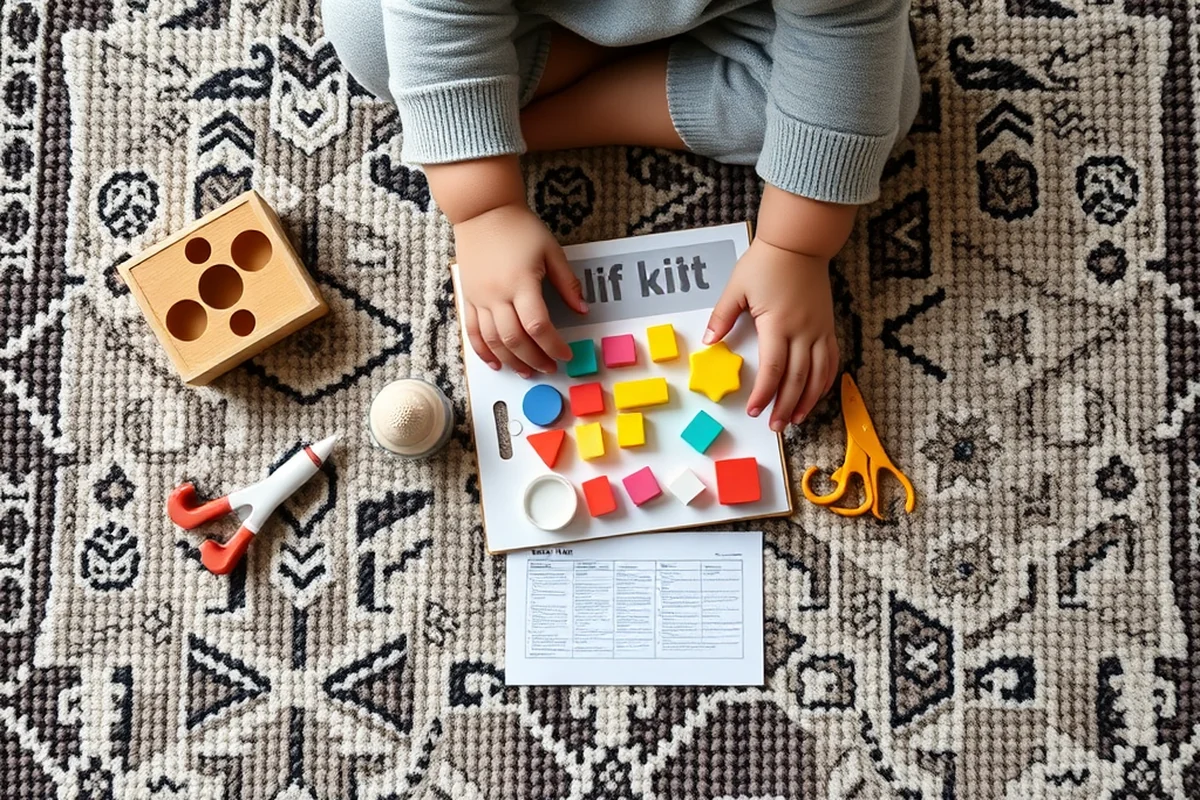
I found that using the checklist both at home and in daycare was incredibly helpful. My son’s daycare provider and I reviewed the same checklist every week, which ensured we were both using the same strategies to support his emotional growth. This consistency made a big difference in his behavior.
We set up a shared digital checklist that both of us could access. This way, I could see how he was doing during the day and adjust our approach at home. The daycare provider also gave me feedback on how he was handling transitions and social interactions.
This collaboration was especially helpful when my son was going through a tough phase. We were both able to spot the same patterns and respond in a way that supported him. It was reassuring to know that we were working together toward the same goals.
Related: Toddler social skills group comparison
When to Involve Other Family Members
I realized that involving other family members made the checklist more effective. My husband and I were both using the same checklist, but I found that involving my parents, who often helped with babysitting, helped us stay consistent across different environments. This was especially important during times when my son was with them for extended periods.
I asked my parents to note any behaviors they saw and to send me updates via text. This helped me fill in gaps and ensure that I wasn’t missing anything. It also made my parents feel more involved in our child’s development, which was a nice bonus.
Involving other caregivers also helped us identify situations where my son was behaving differently. For example, I noticed that he was more aggressive with his siblings at home but more cooperative when he was with his grandparents. This helped us tailor our strategies to each environment.
Related: Toddler social emotional skills comparison
When to Seek Additional Support
There were times when the checklist showed that my son wasn’t making the progress I hoped for. For example, he continued to have trouble with sharing and often had meltdowns. After a few weeks of using the checklist, I realized that I needed more support. I reached out to a pediatric developmental specialist, who provided additional strategies for encouraging sharing and self-regulation.
The specialist recommended a few new activities and a different approach to the checklist. This helped me see that my son’s challenges were not because of a lack of effort on my part, but because he needed different techniques. The checklist had helped me identify the problem, but the specialist provided the tools to address it.[3]
I found that the checklist was a great first step, but sometimes more support is necessary. It was comforting to know that I wasn’t alone, and that there were professionals who could help me support my child’s development.
When in doubt, consult a professional — the checklist is just one part of the process.
Related: Social skills for toddler vs
Celebrating Small Wins
One of the most important things I learned from using the checklist was the value of celebrating small wins. My son had a breakthrough when he successfully shared a toy with another child for the first time. I made a big deal out of it, and he was proud of himself. It was a powerful moment that reinforced the behavior.
I started tracking my son’s progress in a separate notebook and celebrated every milestone — whether it was him using words to express frustration or showing empathy toward a sibling. These small victories helped build his confidence and made the checklist a positive tool in our home.
Celebrating progress also helped me stay motivated. It reminded me that every little step forward was important, and that I was making a difference in my child’s life. It was a way to stay encouraged, even on tough days.
🌱 Gentle Approach
Ideal for parents who want to take things slowly and focus on building trust and comfort.
🚀 Fast-Track Method
Best for parents looking for quick, actionable steps that can be implemented within a few weeks.
✈️ Travel/away-from-home
Helps parents maintain consistency when they’re not at home, like during trips or daycare.
👶 Multiples
Designed for parents of twins or multiple children, with tailored strategies for managing group dynamics.
🔄 Regression Reset
A focused method for parents who notice a setback and need to re-establish routines and behaviors.
| The mistake | Why it happens | The fix |
|---|---|---|
| Using the checklist as a way to compare my child to others. | This can create unnecessary pressure and make the process feel like a competition instead of a tool for growth. | Focus on your child’s unique journey. Celebrate their progress without comparing them to others. |
| Ignoring the checklist when it doesn’t fit my busy schedule. | Consistency is key to seeing real progress. If you skip the checklist often, you may miss important patterns. | Try to set a specific time each day to review the checklist, even if it’s just for a few minutes. |
| Using the checklist as a way to criticize my child’s behavior. | This can make the child feel judged and lead to resistance or frustration. | Use the checklist as a way to support and guide your child, not to criticize or punish them. |
| Not involving other caregivers in the process. | This can lead to inconsistency and confusion for the child, as different people may be using different strategies. | Share the checklist with other caregivers, like grandparents or daycare providers, to ensure a unified approach. |
Toddler Social Emotional Skills Checklist
Common Questions
Can the checklist be used for children of all ages?
Is it necessary to use the checklist every day?
How long does it take to see results?
Can the checklist be used with other tools or programs?
References
- Tips for Keeping Infants and Toddlers Safe: A Developmental Guide ... (headstart.gov)
- 26fc004.pdf - Kansas State Department of Education (ksde.gov)
- Development of the Compass Checklist for elementary schools (sciencedirect.com)
Cite this guide
Toddler Social Skills Development (2026). Toddler Social Emotional Skills Checklist. https://turntakers.com/toddler-social-emotional-skills-checklist/
Feel free to cite or share this guide.
Toddler Social Skills Checklist
Age-banded toddler social skills checklist with practice tips.
Open it free →